Report on the GTU/Steve Sinnott Foundation Community Sensitisation on School related Gender Based Violence - June 2026
1. Background and Rationale
In The Gambia, school-related gender-based violence (SRGBV) remains a serious barrier to education. Girls are most at risk, though boys can be targeted too and human rights organisations increasingly recognise poverty itself as a form of structural gender-based violence.
Period poverty - the lack of access to menstrual products, education, and sanitation sits at the heart of this problem. Without safe facilities or affordable pads, many women and girls are pushed into transactional sex just to manage their periods, exposing them to serious risk of physical and sexual assault. Even without that direct danger, period poverty quietly excludes girls from school and public life: missing class due to a lack of pads or poor toilet facilities fuels absenteeism, dropout, low self-esteem, and often early marriage, deepening cycles of poverty.
This is a global crisis hiding in plain sight. An estimated 500 million of the 800 million people who menstruate worldwide struggle to afford period products, and nearly 1 in 4 students faces the same barrier. A burden that falls hardest on the already marginalised. In The Gambia, girls who can't afford sanitary pads often face poor academic performance, truancy, and lasting health and psychological effects.
A lack of education around menstruation breeds stigma around something entirely normal and healthy. That's why community sensitisation is so critical. Breaking the taboo helps reframe menstrual products as necessities, not luxuries, and gives women and girls the tools to manage their health with dignity, including safe alternatives like reusable pads where commercial products aren't accessible. Training women to sew their own reusable pads goes further still, building not just access but autonomy and confidence.
With GBV cases rising in both schools and communities, the need for coordinated action has never been more urgent. Tackling SRGBV and period poverty specifically isn't the job of one institution alone; it requires educators, communities, and stakeholders working together toward one goal: menstrual dignity and bodily autonomy for every woman and girl.
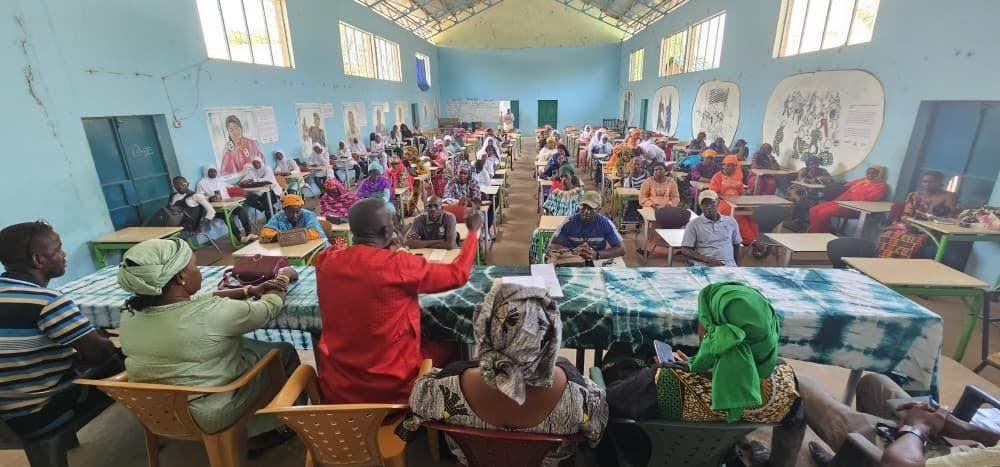
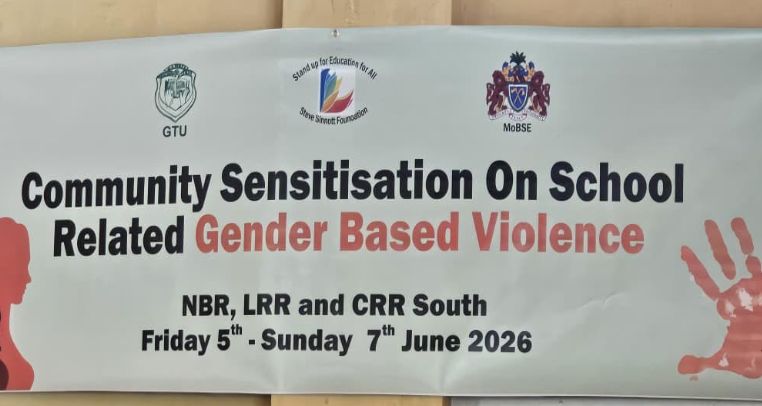
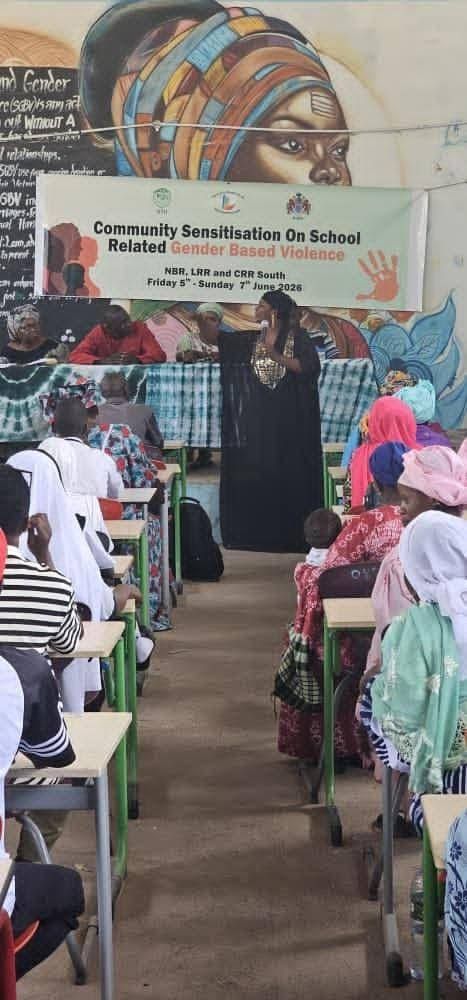
In response, the Gambia Teachers Union, with funding from the Steve Sinnott Foundation, held three community sensitisation sessions on SRGBV and period poverty from 5–7 June 2026. Sessions included demonstrations on making reusable sanitary pads and distributed materials for step-down training in schools and communities. A total of 312 participants, including school mothers' clubs, community and religious leaders, and traditional communicators, attended across three venues: Farafenni Community Centre, Brikamaba Senior Secondary School Hall, and the Regional Education Directorate 4 (Mansakonko) Conference Hall.
2. Objectives
- Sensitise stakeholders on SRGBV and its impact on girls
- Offer a durable alternative to costly disposables, easing pressure on family budgets
- Improve hygiene and health to prevent infection
- Build community skills to make affordable, sustainable products like reusable pads
- Promote safe, inclusive school environments
- Break stigma through community-wide education
- Establish safe, confidential reporting pathways beyond traditional barriers
- Challenge harmful norms, victim-blaming, and cultures of silence
- Unite Mothers' Clubs and female teachers, leveraging their social and structural influence
- Build peer support networks with access to trusted adults for emotional support
- Expand access to menstrual products and champion menstrual equity
The sensitisation was on
- Promote safe menstrual practices to prevent infections from unhygienic alternatives (rags, tissue, leaves, etc.)
- Teach private, hygienic methods for changing, washing, and drying
- Train girls and women to produce eco-friendly reusable pads from local materials
- Establish community-led pad banks and income-generating sewing groups for women
- Address the reality that girls miss 5 school days a month due to lack of pads or fear of leakage and bullying
- Level the academic playing field by reducing dropout gaps between boys and girls
- Shift community narratives to remove taboos and myths around menstruation
- Engage boys and men to build empathy and normalise periods as a shared, natural issue, not a "women's burden"
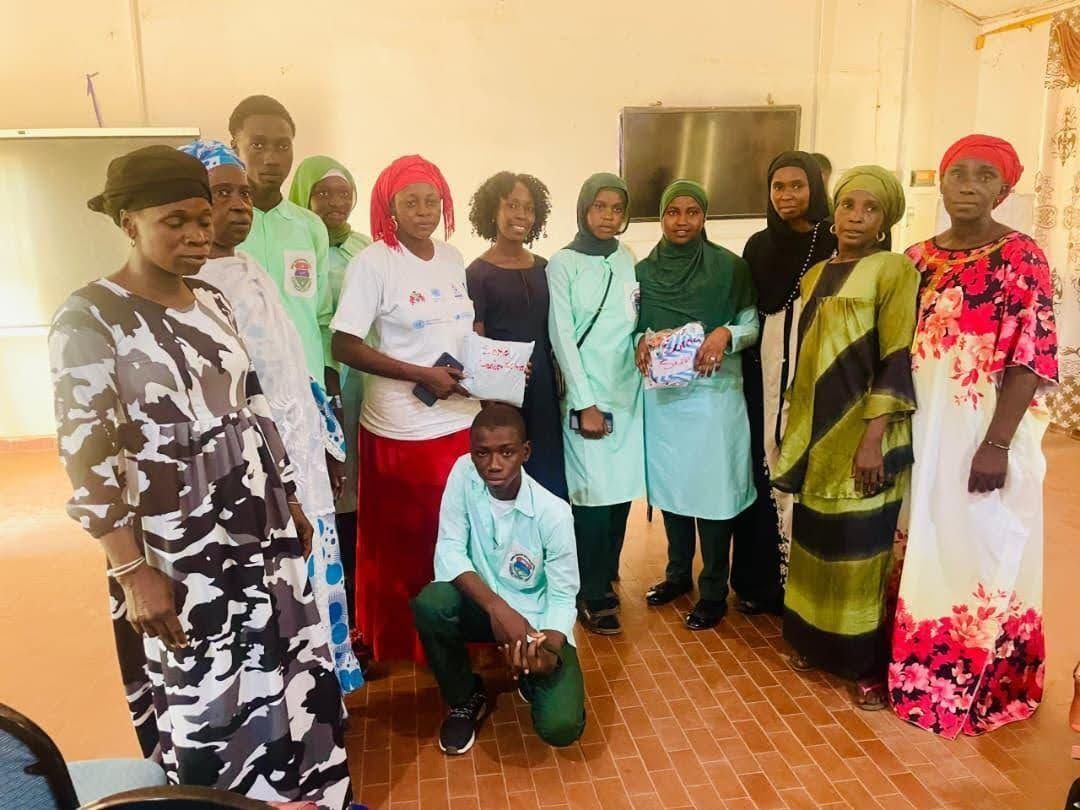
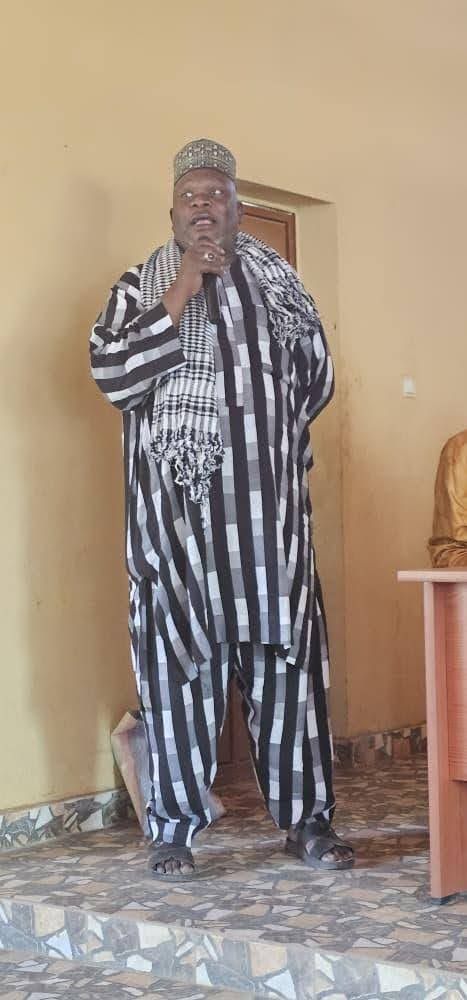
The sessions were highly participatory, allowing teachers to share experiences, raise concerns, and explore context-specific solutions.
Training on period poverty alleviation is critical because it empowers communities, breaks dangerous taboos, and tackles the economic, health and educational barriers associated with menstruation. By building local capacity, it creates sustainable long-term solutions. Participants were happy about the training and committed to conducting step-down trainings for other Mothers' Clubs and adolescent girls in their schools. Participants were given sets of materials to start with. The pads will help girls have a reliable and sustainable solution to their menstrual worries, hence enabling them to avoid infections, exploitation, shame, low self-esteem, stress, and they will remain in school
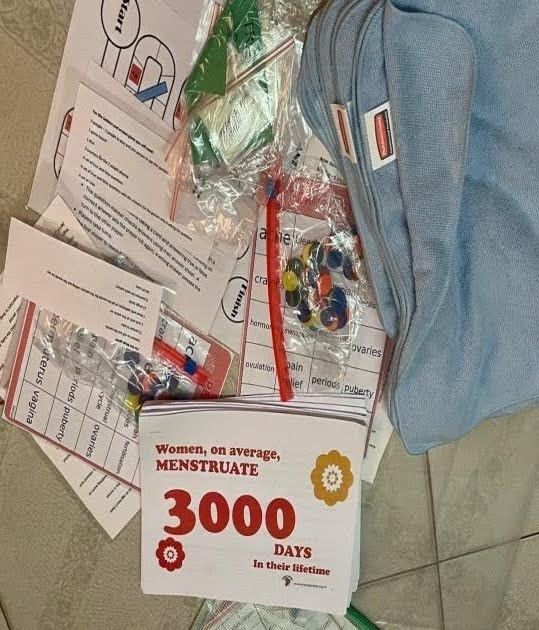
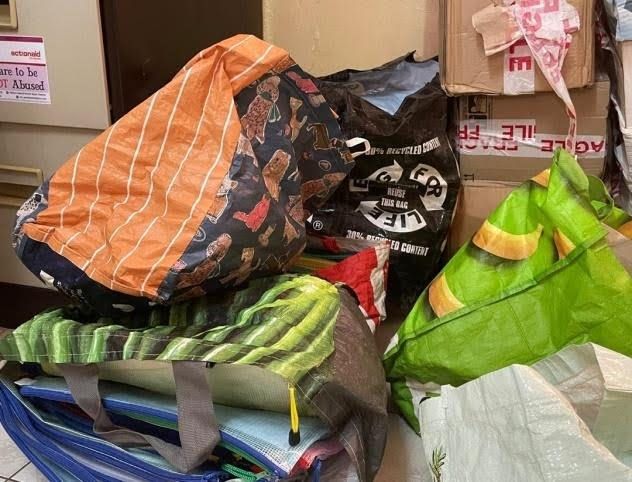
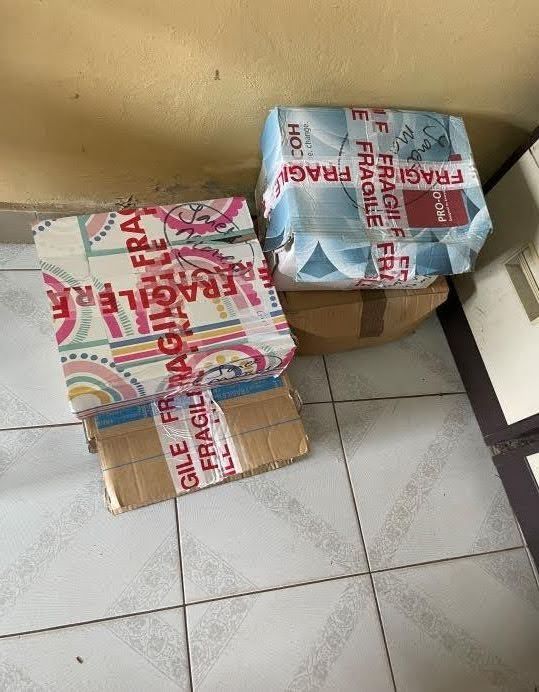
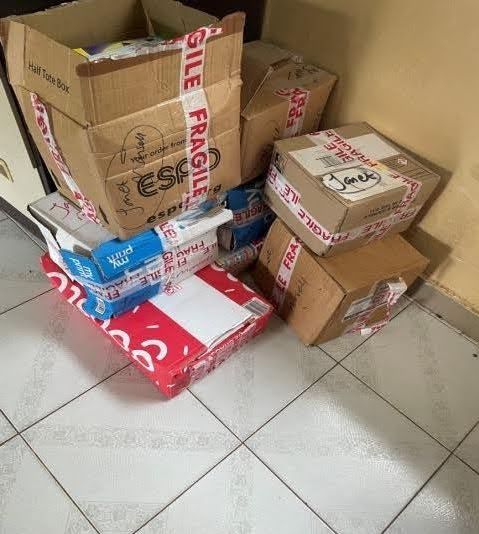
Materials for Distribution
Discussions
Output
The sensitisations were successfully held with the following output:
- 101% attendance was sought, with a total of 332 participants attending the sensitisations in all three centres. They included Religious leaders, community leaders, traditional communicators, village elders, Mothers Club Members,
- 312 attended:243 participants were female, while 69 were male
- 3 regional education directorates were targeted
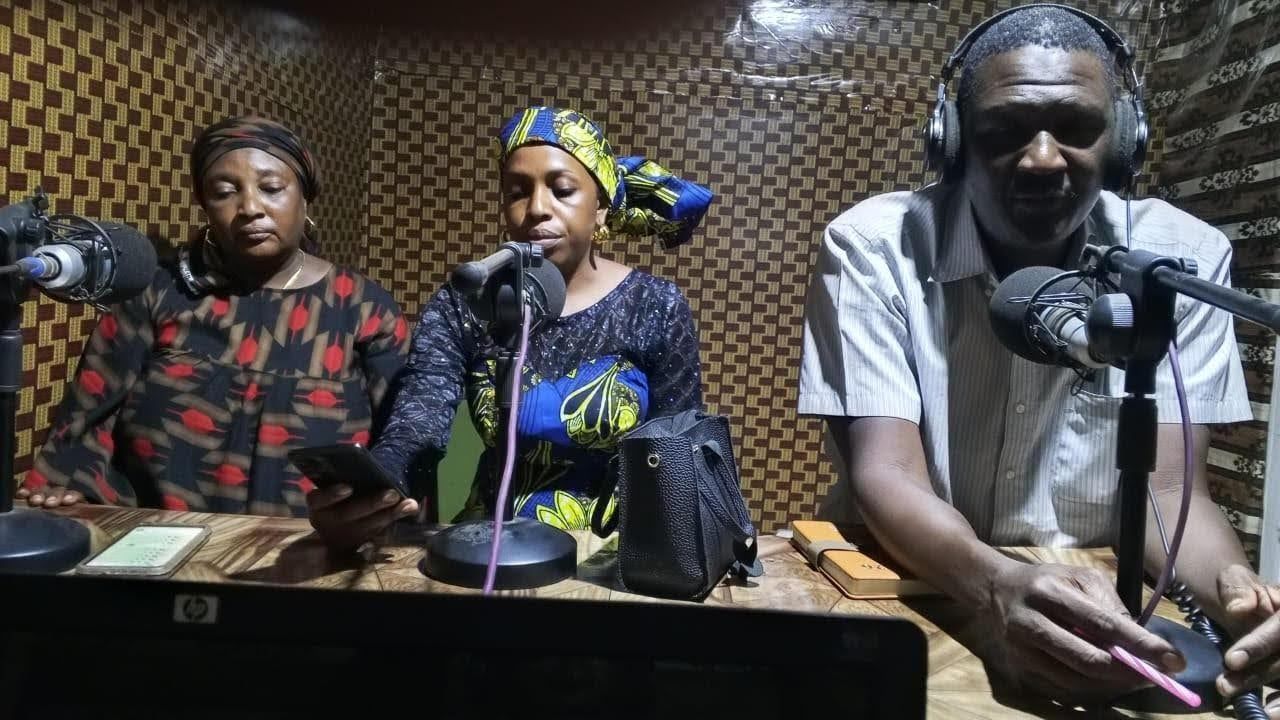
- 3 Community Radio programs were conducted, connecting people, amplifying local voices and fostering community engagement; it enhanced social cohesion and brought attention to critical issues. It served as essential tools for information dissemination. Community radio programs can have far-reaching impacts that go beyond broadcasting; they build resilience, foster collaboration, and offer real solutions to pressing societal problems. Community radio is a powerful tool for social change.
Community Radio Programme Region 3
Recommendations for sustainability
- Train more mothers' clubs and communities in the making of reusable sanitary pads,
- Pad banks in schools and communities-a pad bank is a small, accessible store of menstrual products kept available for students or staff who experience unexpected period onset without supplies. As demonstrated during the sensitisation, even well-prepared participants can be caught off guard, making a pad bank a low-cost, high-impact addition to any school or workplace. The Steve Sinnott Foundation young ambassadors and teacher coordinators will continue the step-down trainings in the making of the reusable Sanitary Pads and set up pad banks
Conclusion
Educating the communities ensures that girls are supported at home and in school rather than being forced to miss class due to period stigma or lack of sanitation. Involving men and boys in the sensitisation sessions helps them to understand menstrual health, builds empathy, and makes them active supporters of the women and girls in their communities.
The sensitisation marked a significant step in empowering community members as key agents in the fight against School-Related Gender-Based Violence. By equipping participants with the necessary knowledge and tools, the initiative contributes to the broader goal of creating safer schools and communities.
Continued collaboration and sustained capacity-building efforts will be essential in ensuring long-term impact and the effective prevention of period poverty.
Marie Antoinette Corr - General Secretary of the Gambia Teachers' Union (GTU),