Mary Sinnott - Founding Director
At present, in our strange and difficult circumstances, one thing we find ourselves with more of is time on our hands. Covid-19 has ‘allowed’ us time for reflection. We, or at least, I am thinking about how, pre Covid-19, I used to spend my days. I am also focussing my attention on what matters most to me in life. Many people will undoubtedly be doing the same and at the top of their lists will be family and friends, as they are on mine. After that the lists may well vary greatly.
Being retired from teaching now, much of my time is usually spent with my family or friends. I also devote some of my week to working on Foundation matters. The Foundation is indeed close to my heart, being founded to continue Steve’s work and build upon his legacy in international development following his sudden death twelve years ago. Steve believed that people working together could bring about change for the benefit of others, and this is what he strived for. Hope and optimism were the driving forces in his life and he held a passionate belief in the power of education to liberate; he viewed education as a fundamental human right. The Foundation seeks to bring likeminded people together to realise these ideals.
In the last few months the distribution of the time I spend with my family and friends has become a little skewed. I am finding isolation and social distancing means I have more time to give to working alongside (virtually speaking of course), Ann, our CEO on Foundation issues. It is a pleasure and a privilege for me, that we are involved in working in partnership with teachers and educators across the globe to help deliver projects that progress the achievement of SDG4 (Sustainable Development Goal 4) – ensure inclusive and equitable quality education and promote lifelong learning opportunities for all. We always work closely with our partners, both here in the UK and in country, to ensure our approach is based on our belief that all the communities we work with already have experience, skills and wisdom. The Foundation respects and works with the local contextual and cultural knowledge of those seeking support. Our approach is never prescriptive or ‘top down’ we work in partnership to facilitate growth and development. We believe our approach will further the realisation of Steve’s passion for:
• every child having access to education
• people having a better understanding of the world around them
• the building of resourceful communities to alleviate poverty.
Our aim therefore, is to develop projects that are fit for purpose, locally owned and managed as well as being replicable and sustainable.
I have always been aware of how significant a role education has had in my life. Indeed, one of my proudest moments was when I vindicated Steve’s belief in me by becoming a teacher. Education opens minds and doors of opportunity, it fosters peace and justice, it promotes fairness and equality and also tolerance and understanding. In reflecting upon what is important in life, education is key. I can only echo the words of Hugh Gaitskill used by Steve that, ‘there are clearly a few things that we can fight, fight and fight again to achieve.’ All of us at the Foundation believe that quality education for all the world’s children must be one.
The Steve Sinnott Foundation • November 17, 2020
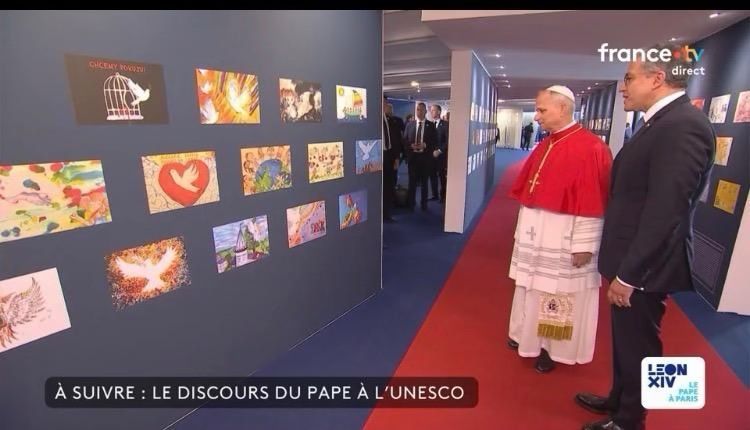
A moment to be proud of and a reminder of why young people’s voices matter. Today, artwork created by students from UNESCO ASPnet UK schools on the theme of peace was presented to Pope Leo XIV at UNESCO Headquarters in Paris, alongside artwork from young people in other countries. What an amazing opportunity for our students to have their creativity, ideas and hopes represented on an international stage. For me, this is what UNESCO ASPnet is about: creating opportunities for young people to connect across cultures, express themselves creatively, learn from one another and imagine a better future together. The power of young people’s creativity: their voices being part of an international conversation about education, peace, culture and our shared future. UNESCO’s programme for Pope Leo XIV’s visit specifically focused on education, artistic creation, AI, information integrity and peace. The work was part of a mural that brings together 80 original creations marking UNESCO’s 80th anniversary, produced as part of the "International Youth for Peace" competition organized by France TV and UNESCO.
Most of us want to leave the world a little better than we found it. Whether that's through the people we love, the values we pass on, or the causes we care about, we all hope our legacy will make a difference. One of the simplest ways to do that is by writing a will. This autumn, we are proud to be taking part in the Change Starts with a Will campaign, allowing our supporters to write or update their will free of charge through our trusted partner, Octopus Legacy. Why writing a will matters Writing a will isn't just about deciding who inherits your possessions. It's about making sure your wishes are respected and providing peace of mind for the people you care about. Having a will means you can: Protect the people you love. Make important decisions about your estate. Reduce uncertainty for your family. Leave a lasting gift to a cause that reflects your values. Many people put off writing a will, believing it's something to think about later in life. In reality, it's one of the most important documents you'll ever create. A legacy that supports education Steve Sinnott dedicated his life to championing education as a fundamental human right. His belief was simple but powerful: every child deserves the opportunity to learn, and every teacher deserves the support they need to inspire future generations. Today, we continue that mission by working with partners across the world to improve access to quality education, strengthen teaching and support communities where education can change lives. When you choose to leave a gift in your will to The Steve Sinnott Foundation, you're helping ensure that this work can continue for years to come. After taking care of family and friends, even a small gift could help provide learning opportunities, strengthen education systems and create brighter futures for generations to come. A gift that lasts beyond a lifetime Legacy gifts play an important role in helping charities plan for the future. Your support could help us continue investing in sustainable education projects, supporting teachers and ensuring more children have access to the education they deserve. It's a powerful way to ensure your values live on long into the future. Write your will for free As part of our Autumn 2026 campaign, we're offering supporters the opportunity to write or update their will free of charge through Octopus Legacy. There is no obligation to leave a gift to The Steve Sinnott Foundation, but we hope you'll consider remembering us after you've taken care of those closest to you. Together, we can continue Steve Sinnott's vision of a world where education changes lives. Find out more If you've been thinking about writing your will, there's never been a better time. Our free will service is available until 31 October 2026 , making it easy to protect the people you love while considering the lasting impact your legacy could have on education worldwide. https://octopuslegacy.com/online-will?channel=partner Change starts with a will. And together, we can help create a future where education is accessible to everyone.
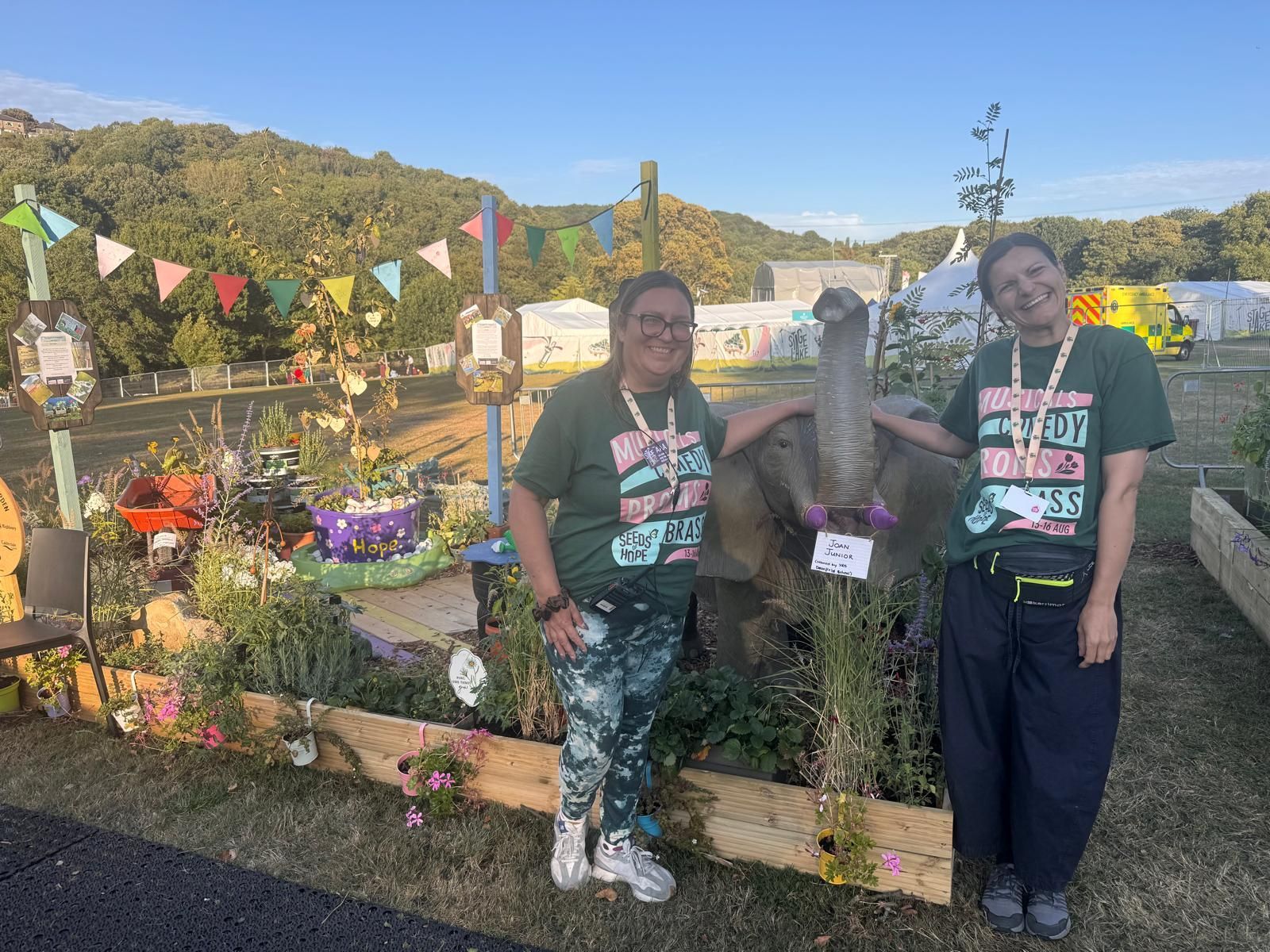
Seeds of Hope are everywhere! “I wasn't quite sure what to expect when I arrived at Stage at the Lake…” But it was special to meet all of the Calderdale team in person, who had brought this four-day event together so successfully. Sometimes an event stays with you long after the final performance has finished. My visit to Stage at the Lake at the beautiful Shibden Hall in Calderdale was one of those occasions. As UNESCO ASPnet UK Coordinator, I was delighted to be invited as a guest, but what I experienced was much more than simply attending an event. Here, in the grounds of a house steeped in history, the past, present and future seemed to meet. The English Chamber Orchestra filled the setting with music, Northern Ballet brought movement and storytelling to life, and throughout there was a wonderful sense of creativity, community and possibility. And then there were the parklets; a unique gardening festival at Shibden Park celebrating community, creativity and the power of nature to bring people together. At its heart was a specially commissioned trail of ten micro show gardens, designed and built by community groups from across Calderdale. It was wonderful to see spaces where ideas, conversations and creativity were flourishing and connecting through Seeds of Hope. I cannot wait to see them transported to their ‘forever homes’. Standing there, I found myself thinking about what we mean when we talk about education, culture and hope.