A Get Moving Fundraiser - Ann's 60 Miles Walk

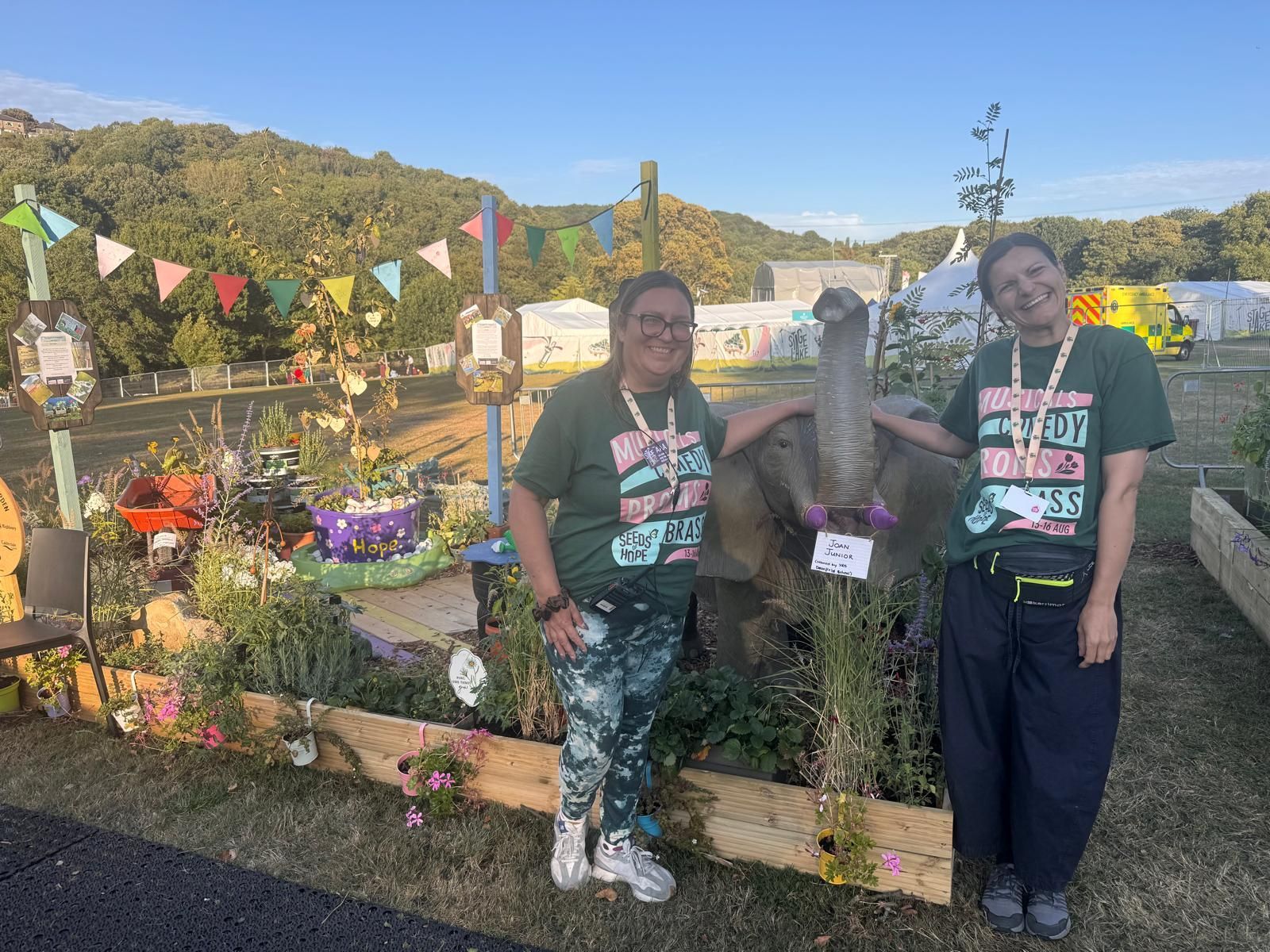
For my birthday this year I had the honour to walk 60 miles (yes it was a big 0 birthday) over 3 days to support the essential work of the Steve Sinnott Foundation of which I am CEO.


Education in its many forms is essential for all of us to thrive and make the most of life's opportunities. The Foundation works to ensure that as many children and adults as possible across the globe can access the human right of education.

The plan was to walk with friends and supporters who I hoped would keep me smiling along the way and it felt like a good way to make use of the Foundation’s “Get Moving” campaign.


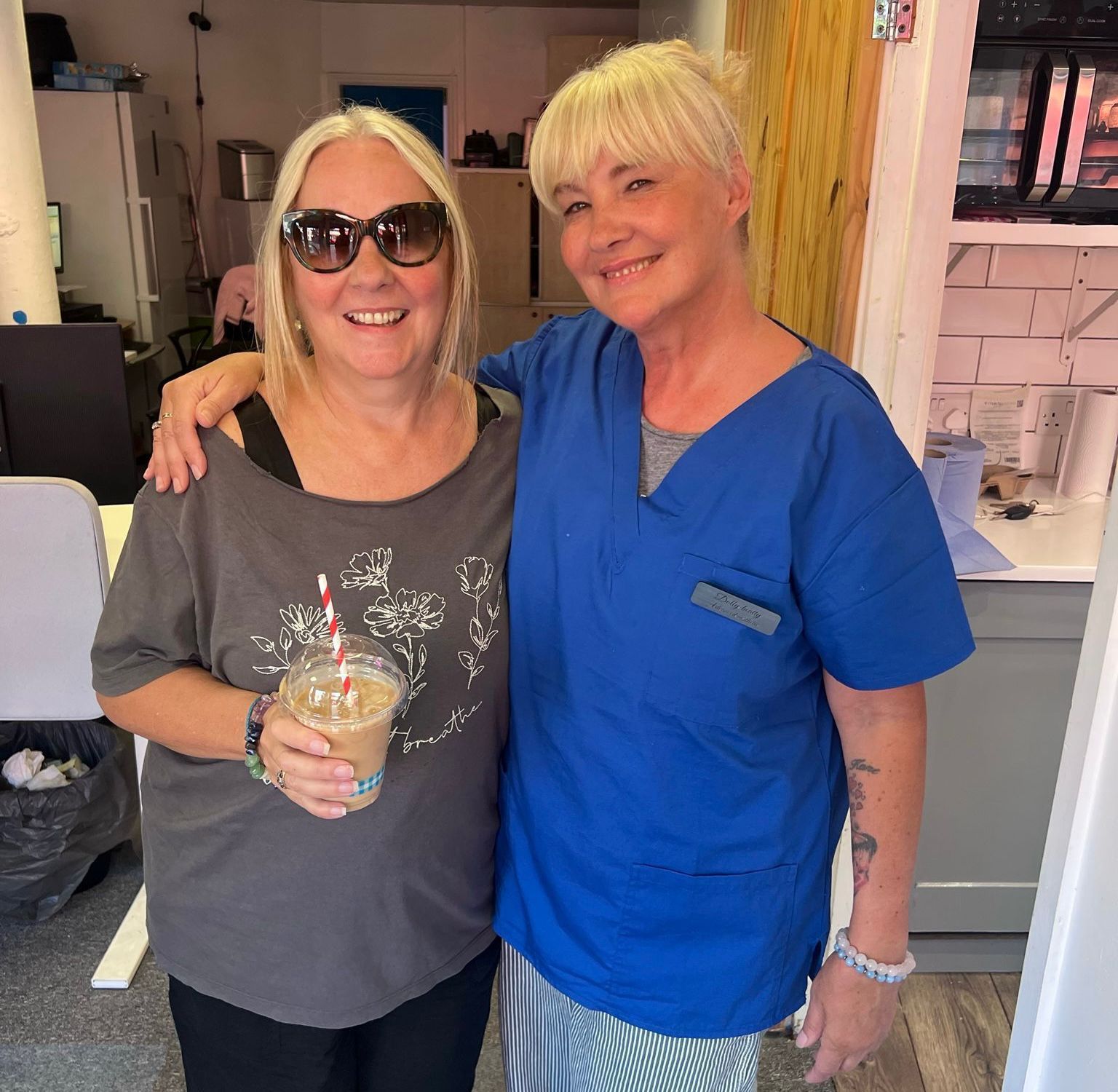
Here's how my Get Moving Fundraiser went on the first day. The 13th June I started my walk in London by walking from Barnet to west Hampstead and visiting my sister at her shop at Tree of Life where I got served a nice iced coffee to keep me going.

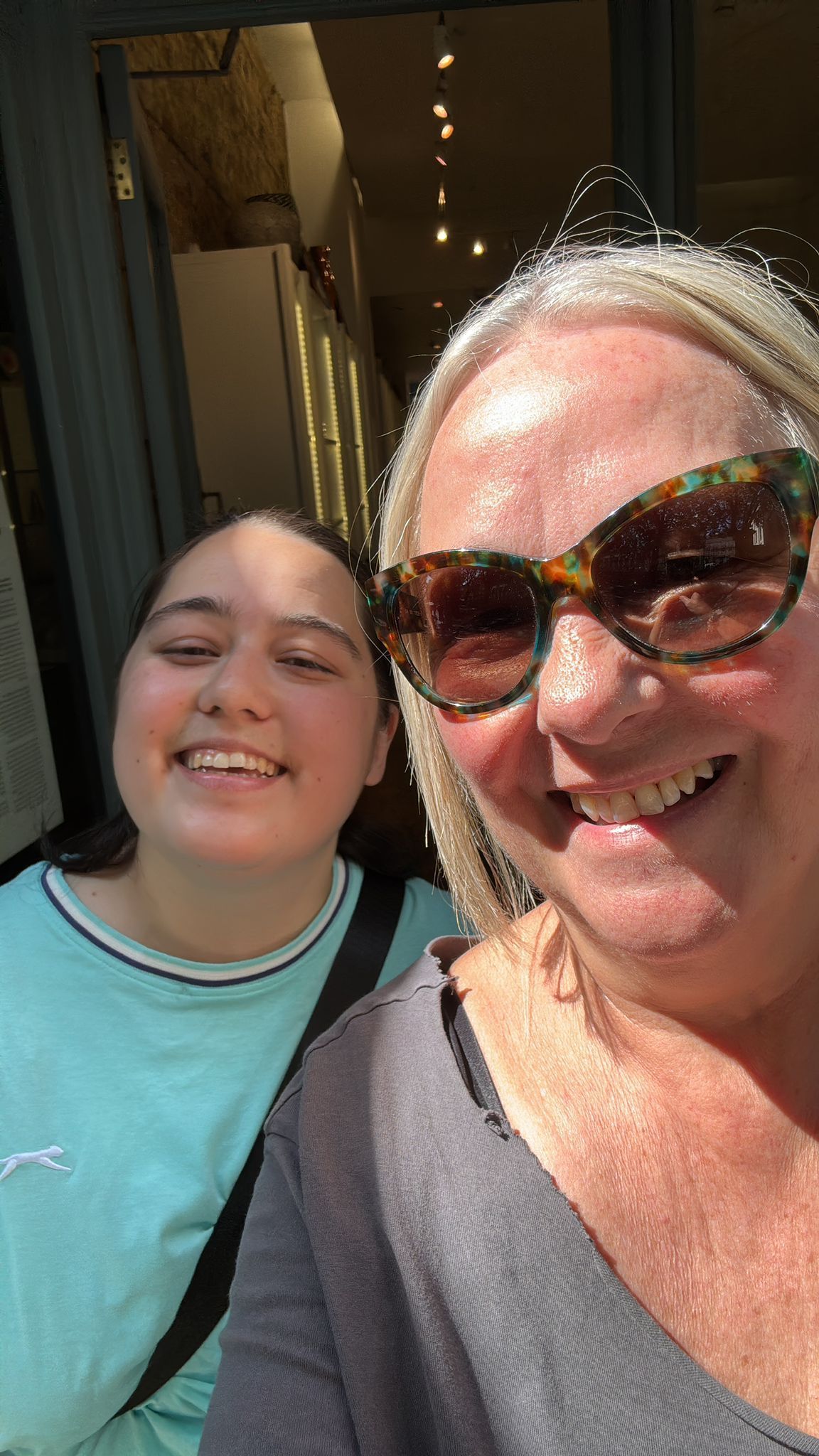
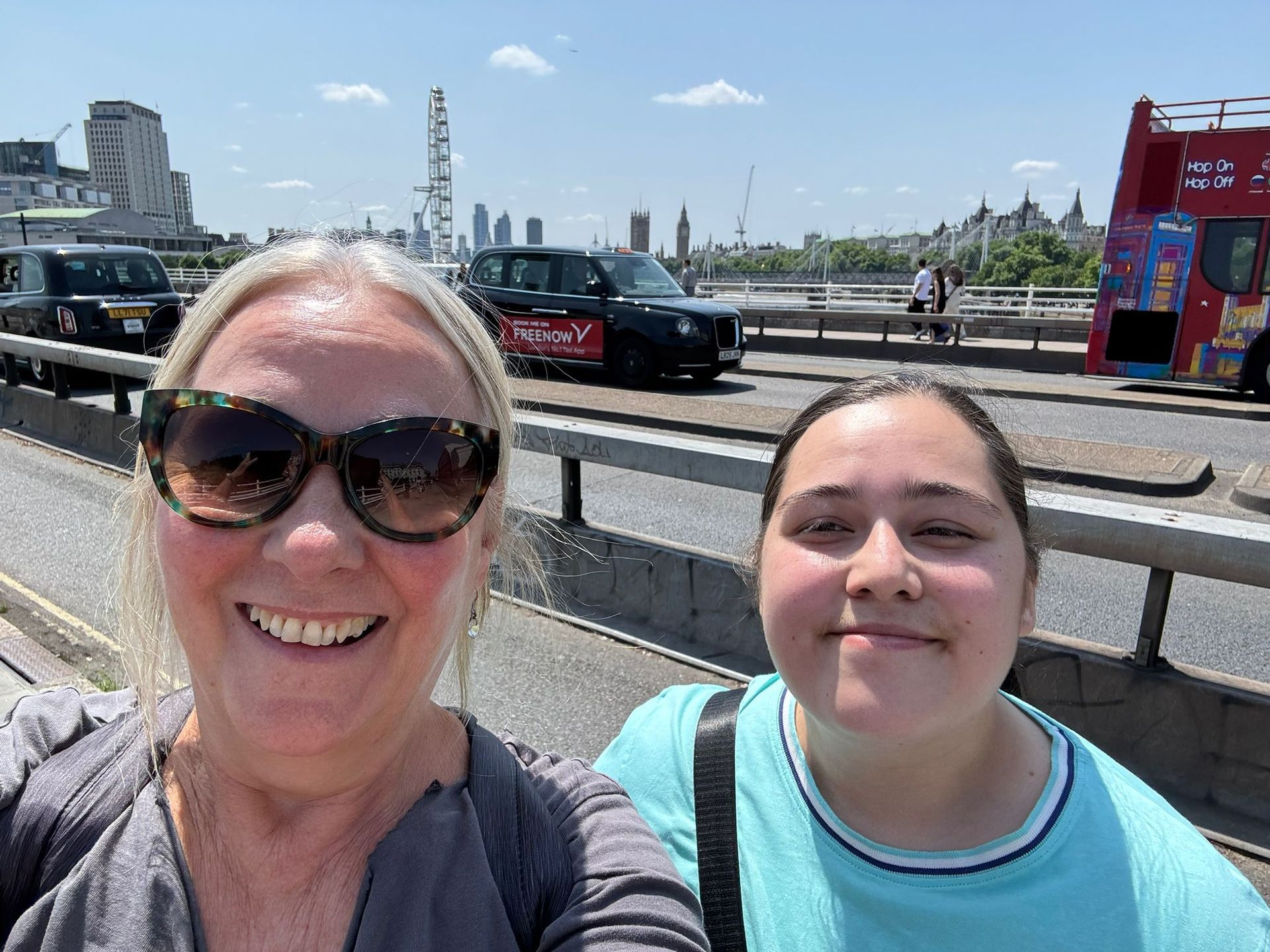
I then proceeded to make my way to Charing Cross to continue my walk with Nicolet Nguyen (Social Media Communications and Manager) to accomplish the rest of the miles. We walked along the river and crossed many bridges as we finally ended up at Craft Potters Association as we walked by to see Irena Sibrijns exhibition. At the end of day one I managed to get 21 miles done.


Day 2

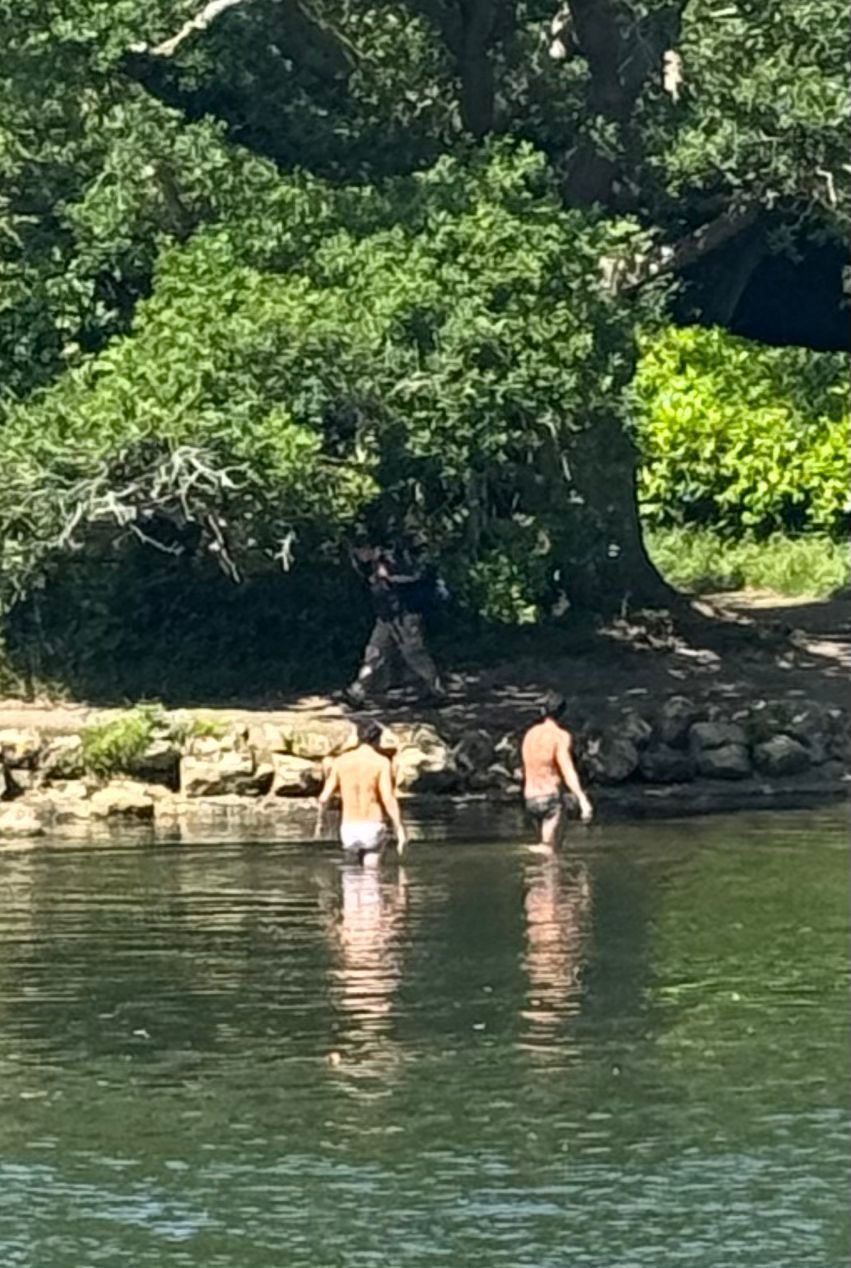
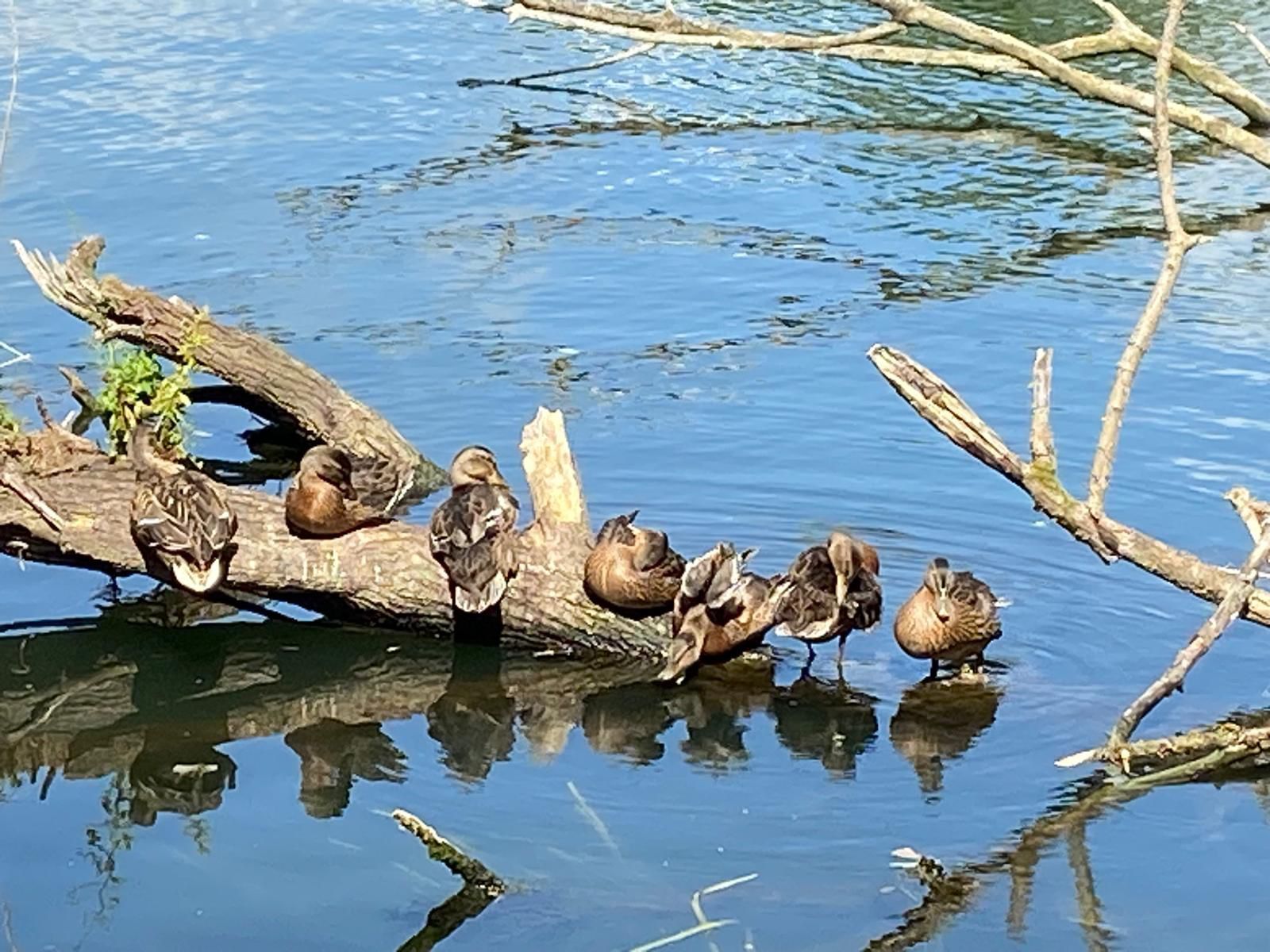
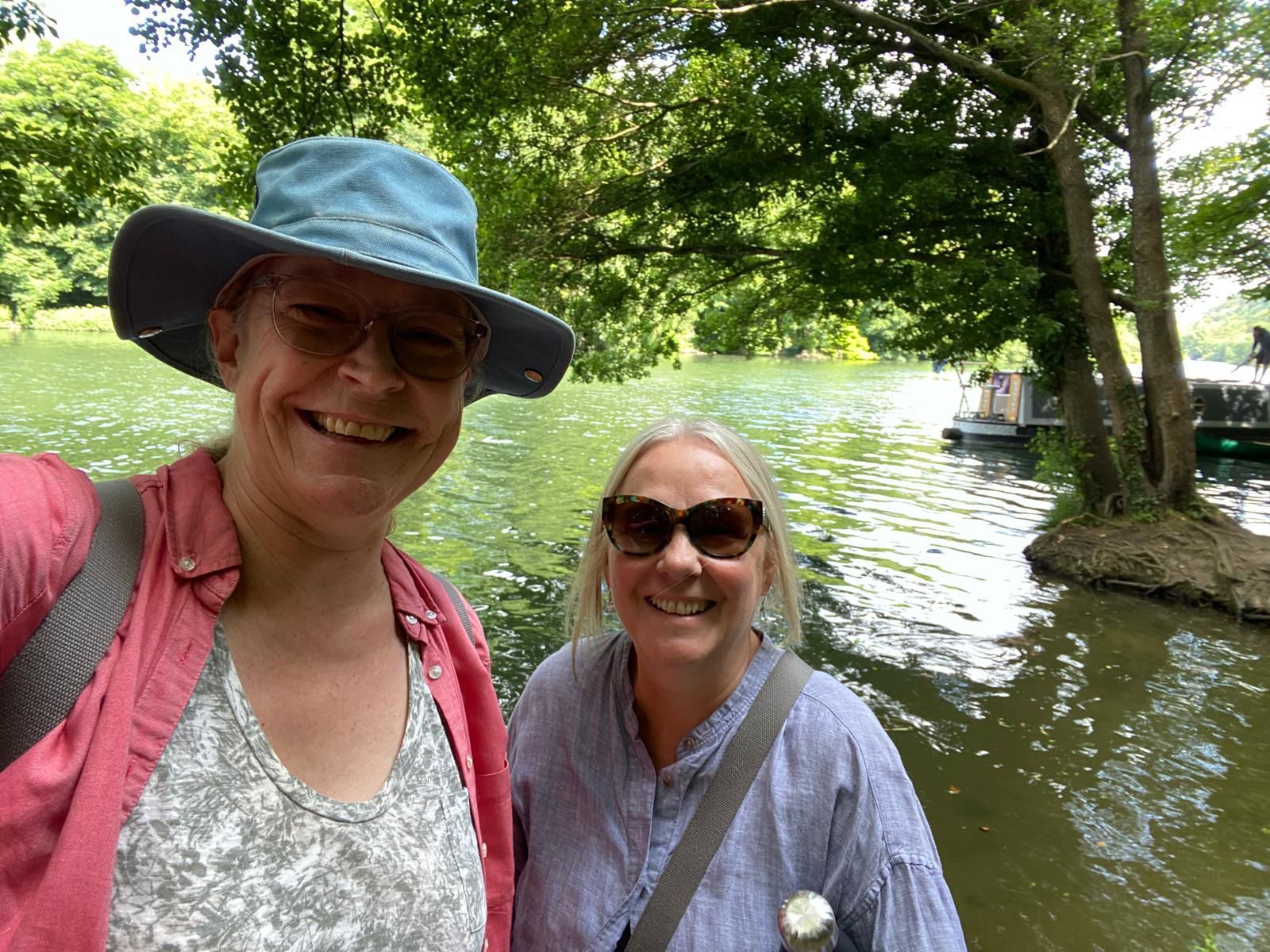
I met up with Helen Porter (Ambassador) who had kindly planned the route for us. We walked along the river and through the forest at Cliveden in Buckinghamshire. We enjoyed the many gardens and the birds and nature, as well as enjoying coffee and cake of course, completing another 20 miles.


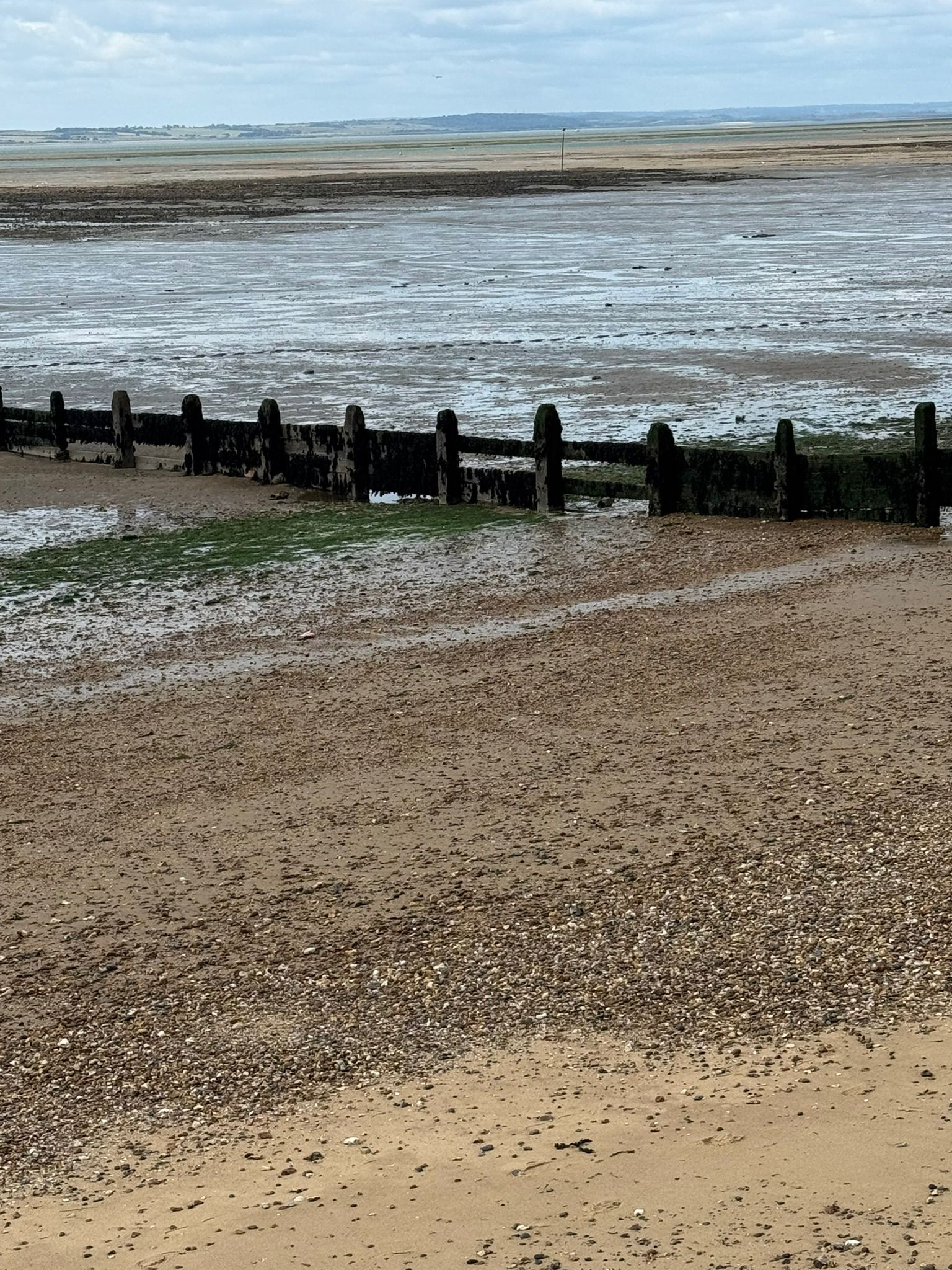
On the last day, 15th June I took the opportunity whilst the sun was still shining to go to the seaside and walk along the Essex coast. To start with I visited Rayleigh Mount and West cliff on Sea. I walked from Leigh on Sea to Shoeburyness and 4 times up and down Southend pier to accomplish my miles. It was not an easy day as it was super-hot, but ice-cream helped to cool me down and finalise my 60 miles walk.
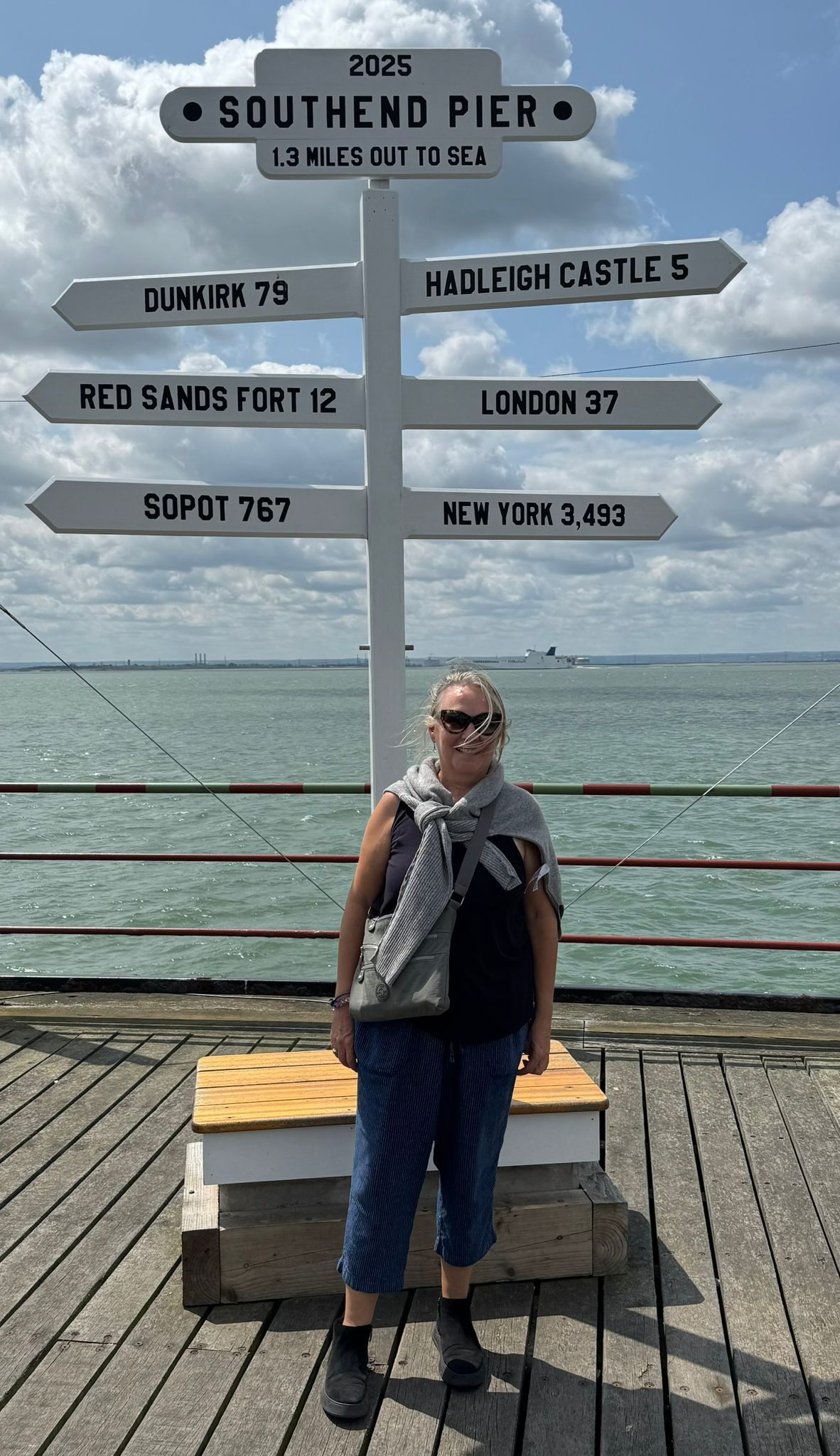

We walked 61.6 miles in 3 days and we managed to raise £708 which will support 142 girls to manage their periods with dignity and pride and attend school every day. I feel so pleased that I had the energy to complete the walk and so grateful to the many supporters who called me, messaged me and came to meet me to keep me motivated. I am forever grateful to everyone who donated to support the girls to go to school.


If you haven't supported yet and would like to the fundraiser is still open for donations

https://www.justgiving.com/page/ann-beatty-1


Perhaps you have an idea for a fundraiser yourself? Running, Walking, Hosting an event?

If you are looking for inspiration have a look at the Fundraising ideas here: www.stevesinnottfoundation.org.uk/fundraising
  • Slide title

    Write your caption here
    Button
  • Slide title

    Write your caption here
    Button
  • Slide title

    Write your caption here
    Button
  • Slide title

    Write your caption here
    Button
  • Slide title

    Write your caption here
    Button
  • Slide title

    Write your caption here
    Button
  • Slide title

    Write your caption here
    Button
  • Slide title

    Write your caption here
    Button
  • Slide title

    Write your caption here
    Button
  • Slide title

    Write your caption here
    Button
Ann Beatty • June 30, 2025
By Ann Beatty May 20, 2026
How a simple act of practical solidarity is transforming the journey to school in The Gambia’s Central River Region North Policies have been written. Schools have been built. Yet for many children in The Gambia’s Central River Region North, access to education is still measured in kilometres, not opportunity. 
By Laura Griffin May 13, 2026
‘In a single hour vast tracts of shaded woodland became a jumble of torn trees and upturned soil, exposed to the glare of the summer sun. Such land-clearing events are rare, but forests exhibit remarkable resilience in the face of disaster. I’m told that the Chinese character for ‘catastrophe’ is the same as that which represents the word ‘opportunity’. And, the blowdown, while catastrophic, presented opportunities for many species.’ (Wall Kimmerer, 2003: 89). In the context of a volatile, uncertain, complex, and ambiguous world (Stein, 2021) what kinds of education for hope might support children’s and young people’s critical engagement in local and global issues? In the spirit of exploring the possibilities of hope further, this short article focuses on the area of global citizenship and sustainabilityrelated education. It will briefly open by sharing commonalities across pedagogical approaches that take up the concept and act of hope more critically, and close by offering reflective questions for educators, with suggestions for further reading. Perhaps it is a kind of hope that is grounded in the present, in future reimagining(s), in ethical solidarity, and an acknowledgement of our deep entanglement with the living metabolism of planet earth 1 our singular home (UNESCO, 2021); a hope that engages with complex root causes and lived realities of multiple overlapping crises in critically reflexive and contextually relevant ways. As McCloskey notes, ‘Hope can fire our collective imagination and critical consciousness as a mainspring to activism and intervention in the world.’ (2025: 3). Commonalities across critical pedagogical approaches to hope include: Acknowledging the context of a ‘seamless single story of progress, development and human evolution’ (Andreotti, V.D.O., 2021b Relating to social and ecological justice and the wellbeing of people and planet Using participatory, action-orientated and inquiry-based learning processes Exploring diverse worldviews and perspectives Practising grounding in the present with opening up possibilities for change (relational, embodied, response-able 2 ) Experiencing ‘struggle’ in different forms (dialogical, selfreflexive, open-ended) Engaging individual and collective agency, action and activism Looking for lifelong and life-wide learning and unlearning. 1 See ‘Co-sensing with Radical Tenderness’, in Machado de Oliveira Andreotti. 2021a 2 See ‘Crossing Borders’ in 2 Depth Education “Depth Education and the Possibility of GCE Otherwise, 2021b. Source: Andreotti, V. 2021a & 2021b., Atif, A. (2025)., Bourn, D. 2021., Bryan. A. and Mochizuki,Y., 2024., Giroux, H.A. 2025., Meade, E. 2025. Whilst engaging in the concept and act of hope more critically reflect upon: What kinds of education for hope might you explore further and why? How might you provide generative spaces for engaging in diverse worldviews and perspectives? In what ways can you facilitate individual and collective agency? How might you support learners’ practice grounding in the present in order to relate differently? In what ways can you support learners in navigating complex root causes and lived realities of local and global issues? As Chief Ninawa Hini Kui affirms, ‘The future depends much less on the images we project ahead than on our capacity to repair relations and build relationships differently in the present.’ (Andreotti et al, 2023: 73. An invitation for further reading: Transformative Learning for a Sustainable Future . d’Abreu, C., Belgeonne, C., Bourn, D. and Hatley, J. (2025) ‘Transformative Learning for a Sustainable Future’. DERC Research Paper 24. London: UCL Institute of Education. Hospicing Modernity: facing humanity’s wrongs and the implications for social activism. Machado de Oliveira Andreotti, V. (2021a) ‘Hospicing Modernity: facing humanity’s wrongs and the implications for social activism’ , London: Penguin Random House. Development Education and Hope . McCloskey, S. (2025). (ed) ‘Development Education and Hope’. ‘Policy and Practice: A Development Education Review’ , Vol. 41, Autumn. Centre for Global Education, Belfast. Link to and download the full reference list here
By Susan Piper May 6, 2026
This summed up to me about why I volunteer for the Hands Up Project. HUP is a charity trust which, through its network of volunteers, connects children around the world with young people in Palestine. By means of online interaction, drama and storytelling activities, it enables the use of creativity and selfexpression to promote mutual understanding, personal growth, and the development of English language skills. I joined HUP in 2020 during COVID. After going to Palestine in 2017, I wanted to get more involved in working with Palestinian children in schools. HUP gave me the opportunity to link up with schools in the West Bank and Gaza. Every week I’d tell them stories from all over the world, then we’d discuss it, play games and I’d get them to retell it. Sometimes we would work from their coursebook English for Palestine’ in mutual team teaching sessions with their teacher. The simple act of telling a story became much more than entertainment. It became connection, healing, and a bridge to the world beyond their immediate reality to help them improve their language skills, and to give them a platform to speak about their lives in a language that connects them to people everywhere. I loved it, every week, seeing their smiling faces on the screen and building long lasting friendships with their teachers. I even went to Gaza in 2023 and met some of the kids I’d only seen on Zoom. It was a beautiful experience and something I will never forget. As hostilities escalated, I lost contact with everyone. I thought about where the kids were and what had happened to them. As I watched schools being bombed, universities flattened, and people killed in their thousands, I thought about where the kids I’d met were and what was happening to them. I kept in contact with many of the teachers I knew and heard daily news of displacement, destruction, hunger and bombing. Recently, I’ve started to link up again with children in Gaza, and it feels wonderful to be back helping them learn after being denied an education for over two years. Connecting with children in Palestine is more than just words. When a child in Palestine confidently tells their story to someone on the other side of the world, bridges are built, empathy grows, and the world gains a fuller picture of childhood in contexts far from peace and privilege. My work with these children is rooted in the belief that education and voice are inseparable. Through storytelling and English language learning, I witness children not just learning new vocabulary, but reclaiming their narratives, believing in their potential, and finding human connection in a world they perceive has abandoned them. And more than anything, this work reminds us all that children — everywhere — deserve to learn, to speak, and to be heard. Links to HUP information, books and resources: The Hands Up Project BY SUSAN PIPER Susan Piper is currently an ESOL teacher in Oldham, Greater Manchester and has worked in education for over 30 years. She is also a volunteer for the Hands Up Project and is the International Solidarity Officer and President of her NEU district. She believes in quality education for all and aims to make her lessons creative and inclusive so that effective language learning can take place.