Breaking Barriers: Nepal initiative empowers women and girls through menstrual health and gender equality programme

In Nepal, many women and girls, particularly from poor and marginalised communities, continue to face barriers rooted in poverty, cultural stigma, and gender-based violence. Menstruation, a natural biological process, remains one of the most underserved and stigmatised issues. Lack of access to affordable, hygienic sanitary products often forces girls to miss school, putting their education and future opportunities at risk.


To address these challenges, The Steve Sinnott Foundation, with funding from Soroptimist International Foundation, is running a grassroots project that combines awareness, education and practical skills. The project distributes cost-effective, reusable sanitary pad kits, provides reproductive health education and equips women and girls with the skills to produce their own pads, offering an affordable, eco-friendly, and sustainable solution.


The project seeks to improve menstrual hygiene, boost girls’ school attendance and strengthen their ability to resist gender-based discrimination and violence. At its core, the initiative has two key goals: reducing gender-based violence and advancing menstrual health management.


Training sessions on non-violence

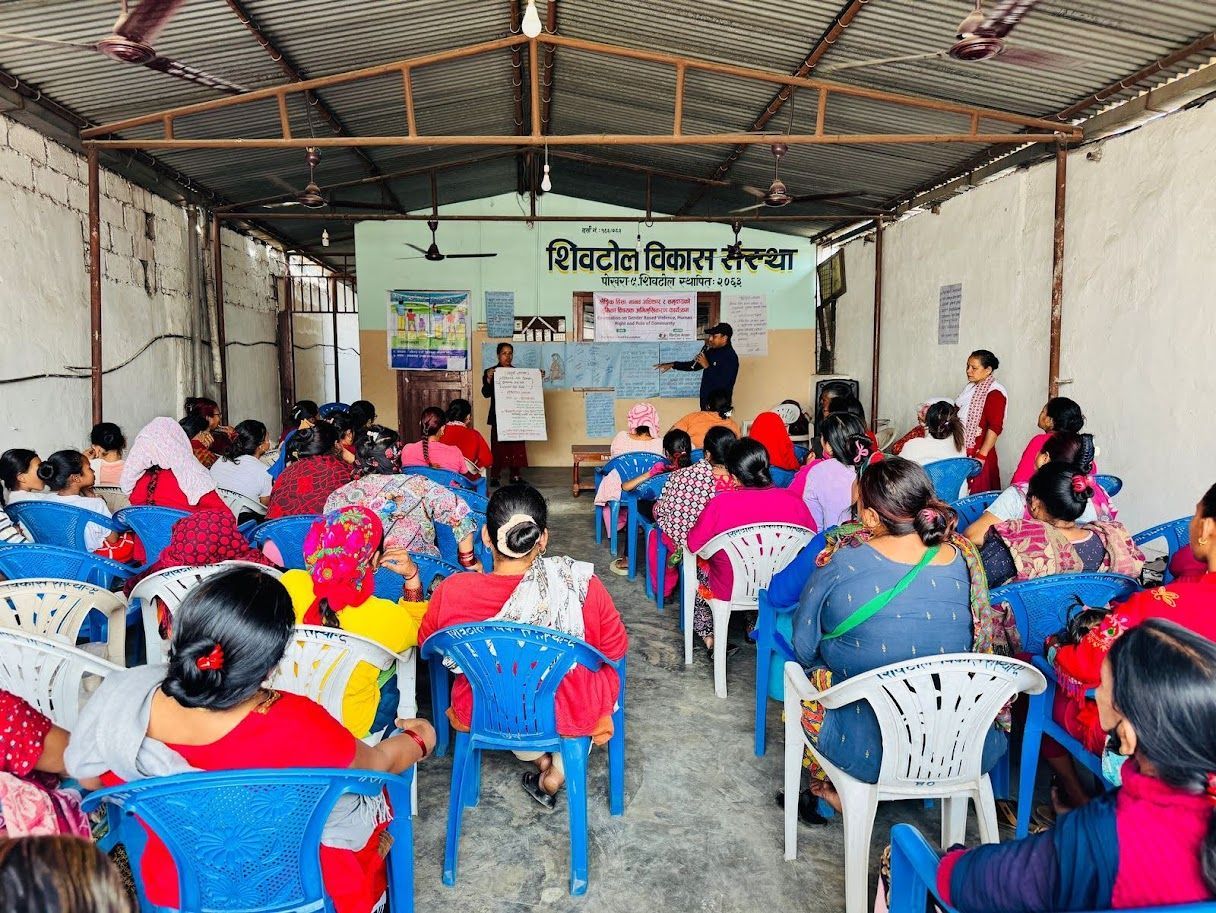
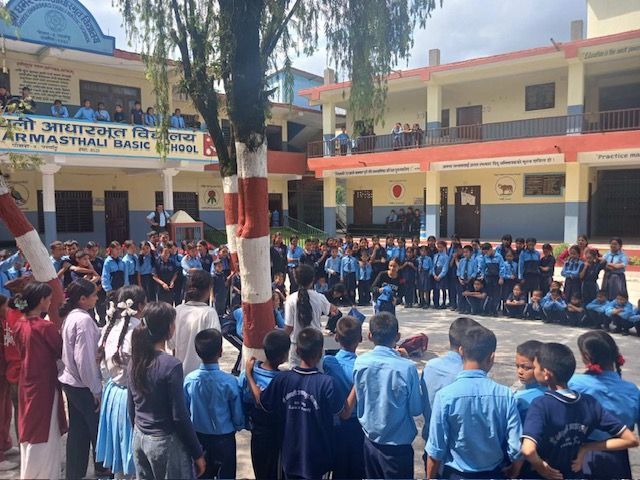
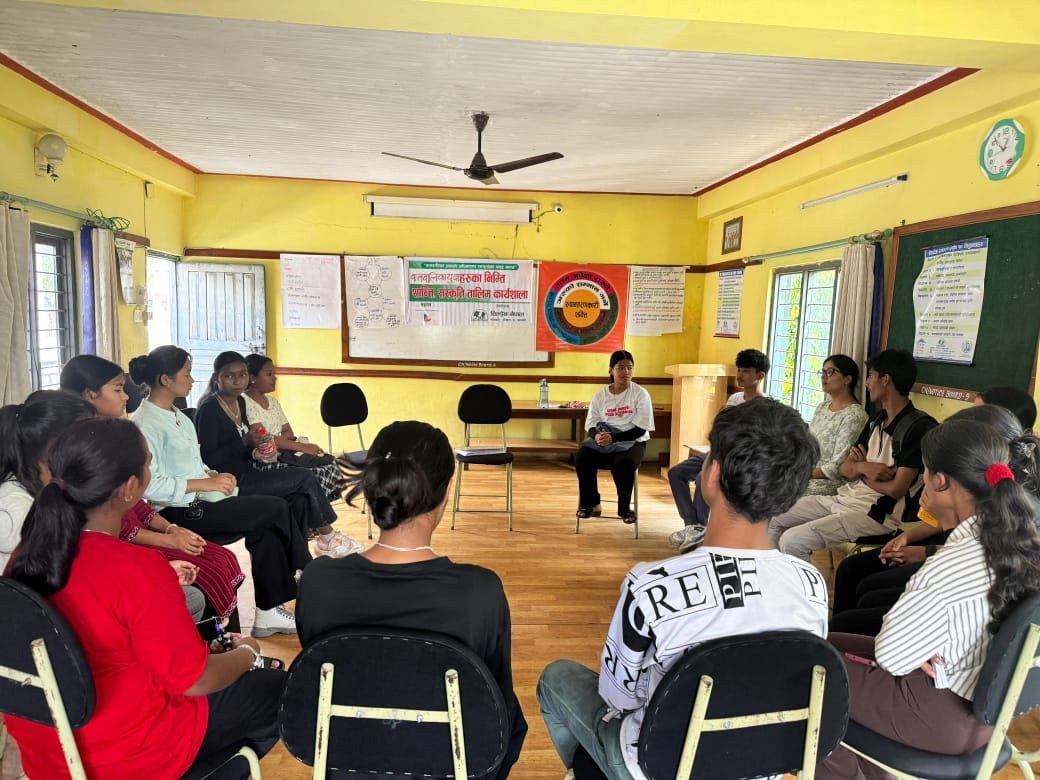
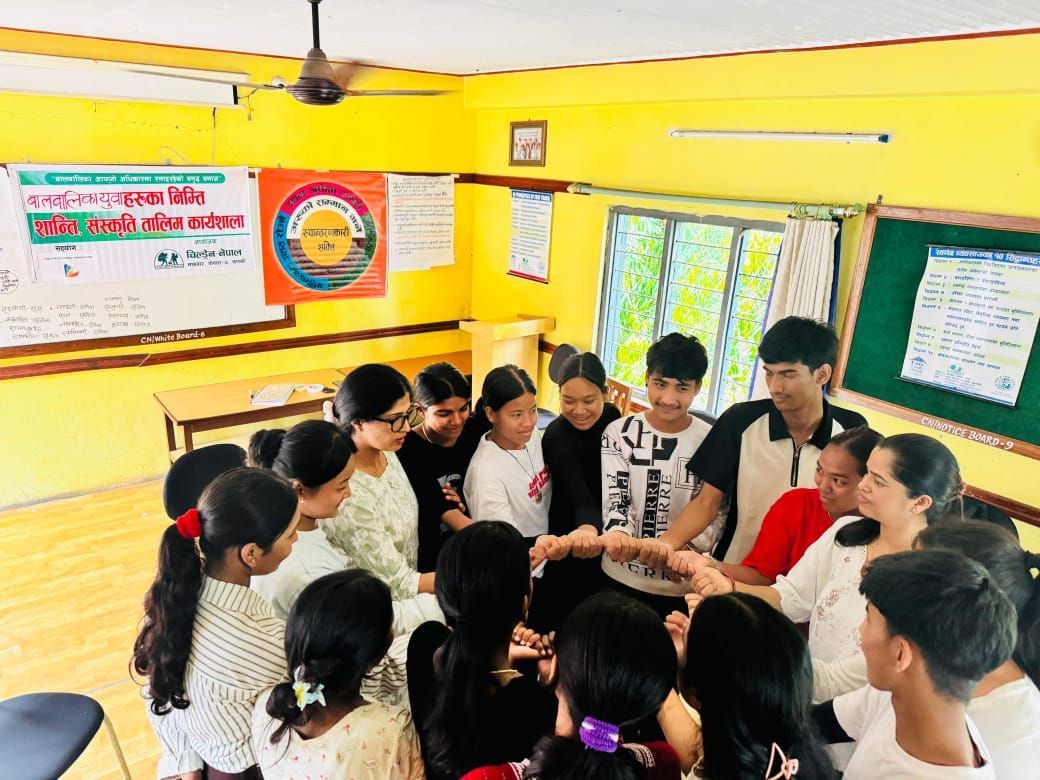
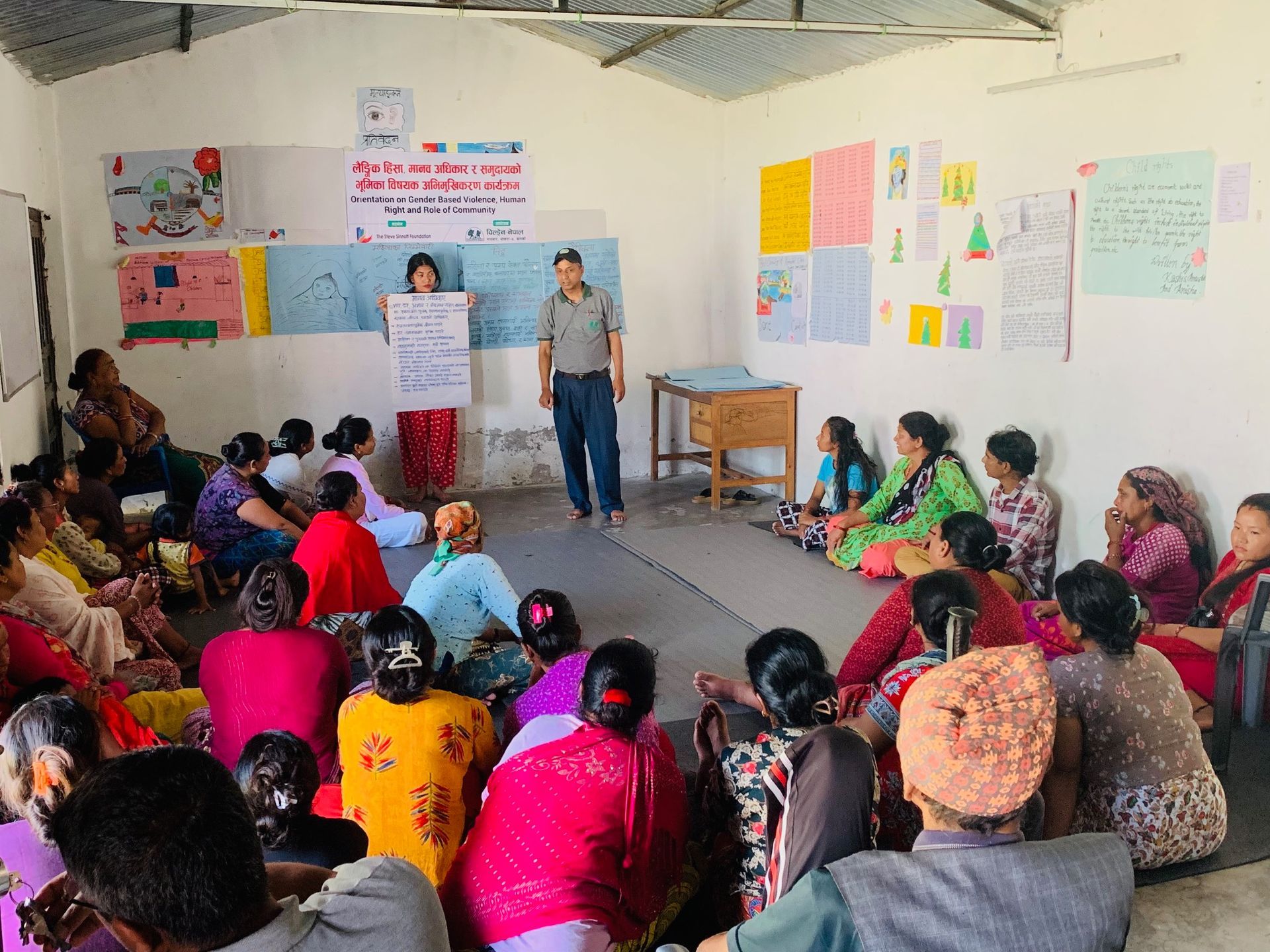
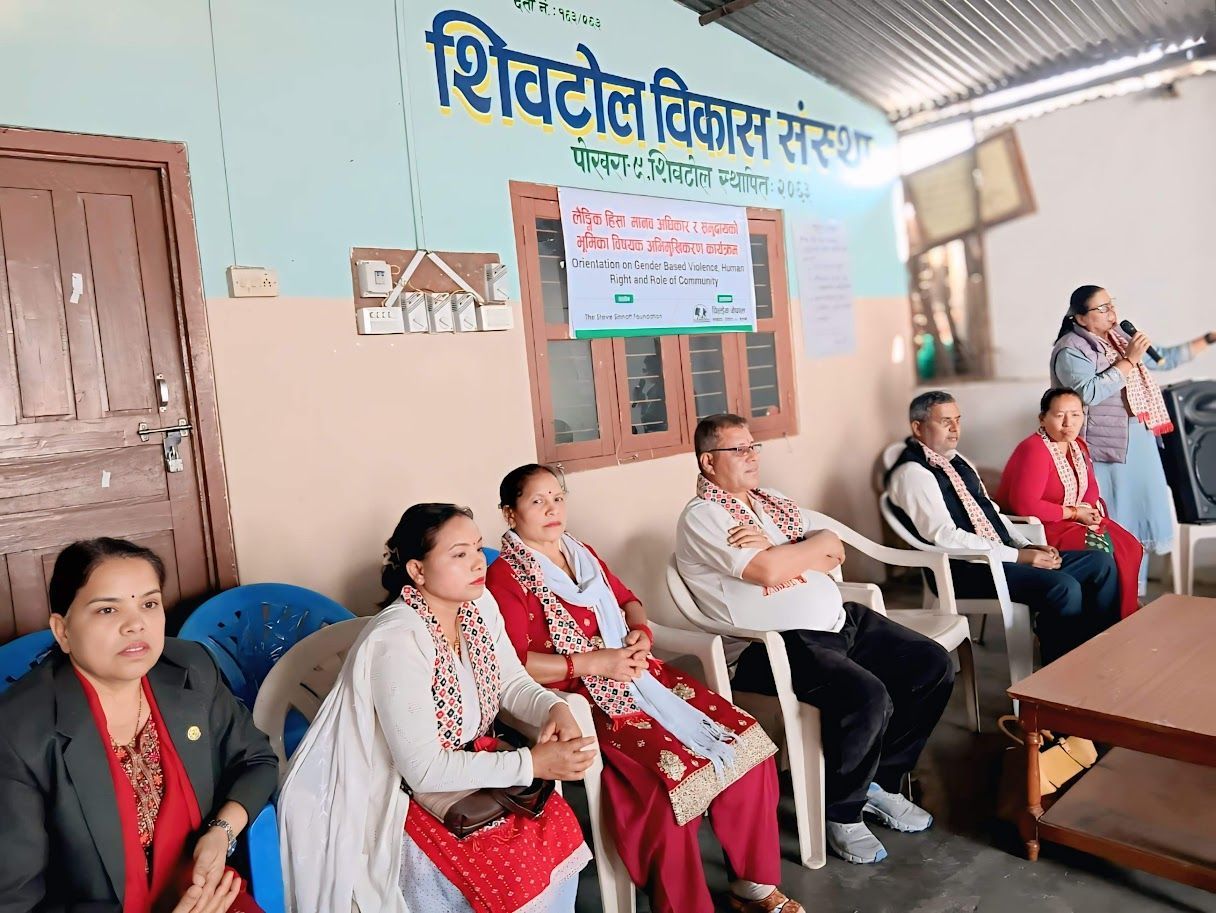
To date, the initiative has engaged communities across three locations through targeted activities. A total of 444 children, youths and adults participated in awareness training sessions on:

  • The concept and impact of gender-based violence
  • Fundamental human rights and how to protect these rights
  • The role of community members in preventing gender-based violence and fostering a supportive environment


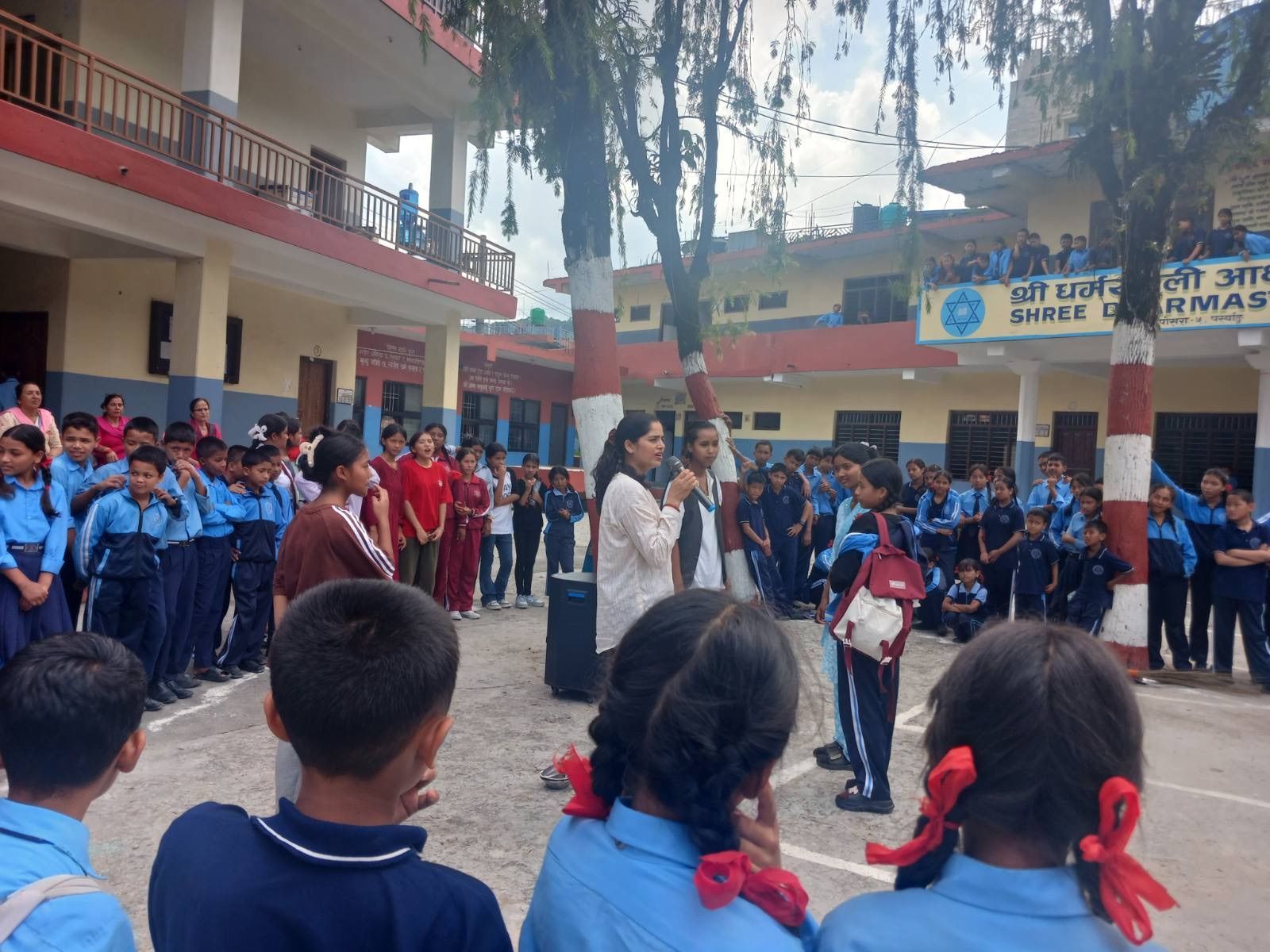
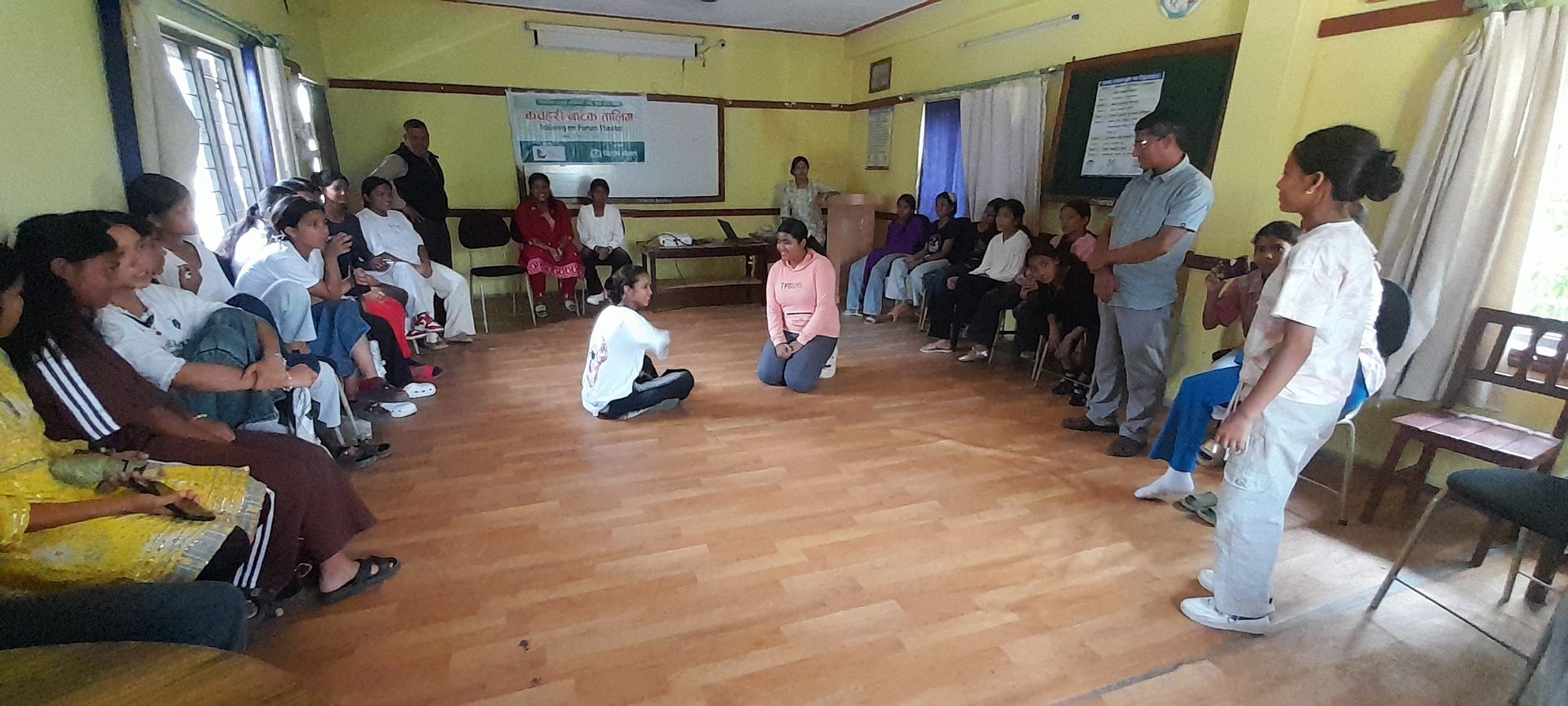
Youth groups also received theatre training, preparing plays that addressed gender-based violence and menstruation and challenged harmful norms with an aim to promote positive behavioural changes and reduce stigma. These performances reached over 550 people, prompting conversations that encouraged tolerance, equality and healthier menstrual practices in both schools and communities. The theatre training and the performances were all undertaken using the local language, ensuring accessibility.


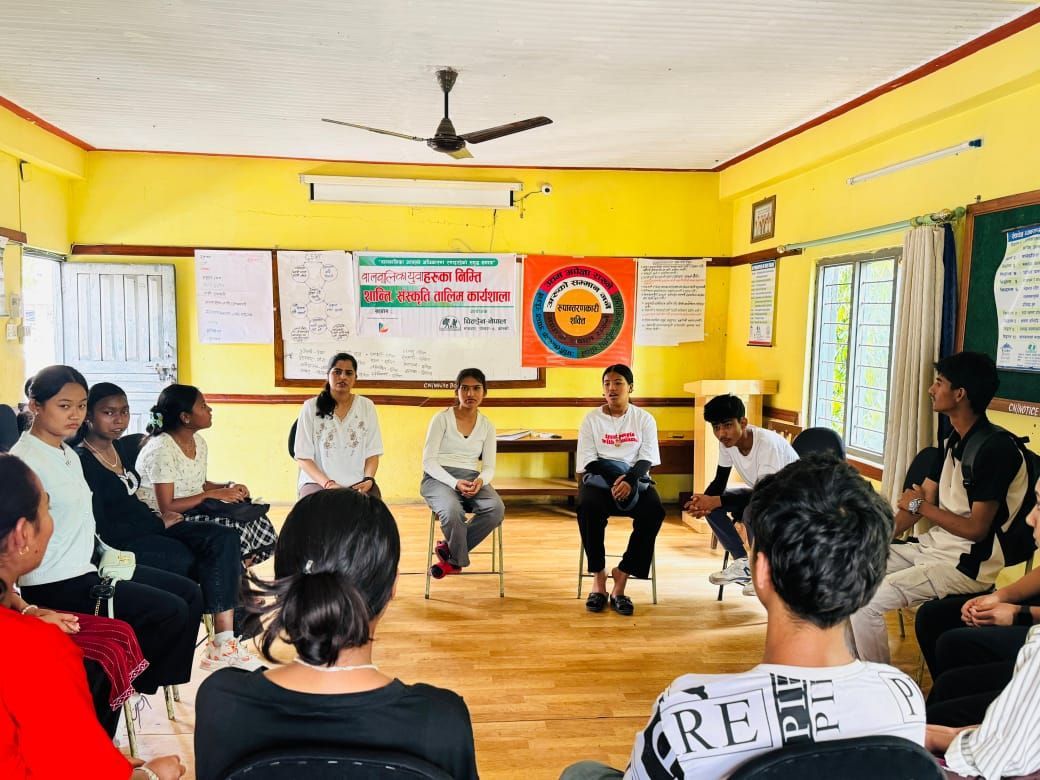
As part of the project’s focus on building safer communities, 42 participants, including women, youth, and children, took part in a three-day Alternatives to Violence Programme. Guided by four facilitators, the training sessions taught peaceful approaches to conflict, highlighted the consequences of violence, and encouraged participants to adopt non-violent behaviours.


The training fostered active engagement and reflection, helping community members envision a more peaceful and supportive environment. The sessions were interactive and the participants showed active engagement throughout the training, empowering everyone with tools for peaceful conflict resolution.


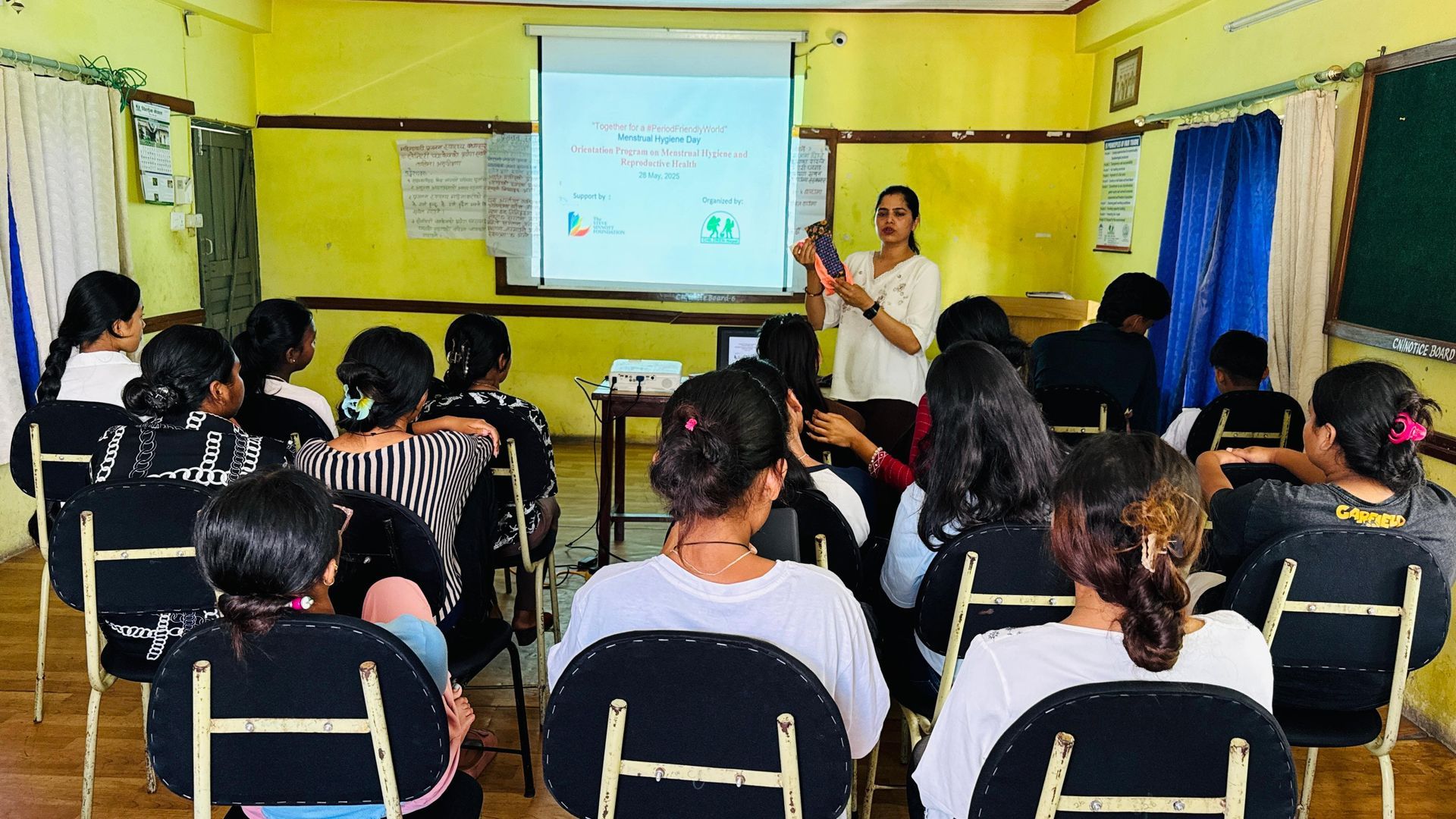
Training on producing reusable sanitary pads and menstruation awareness

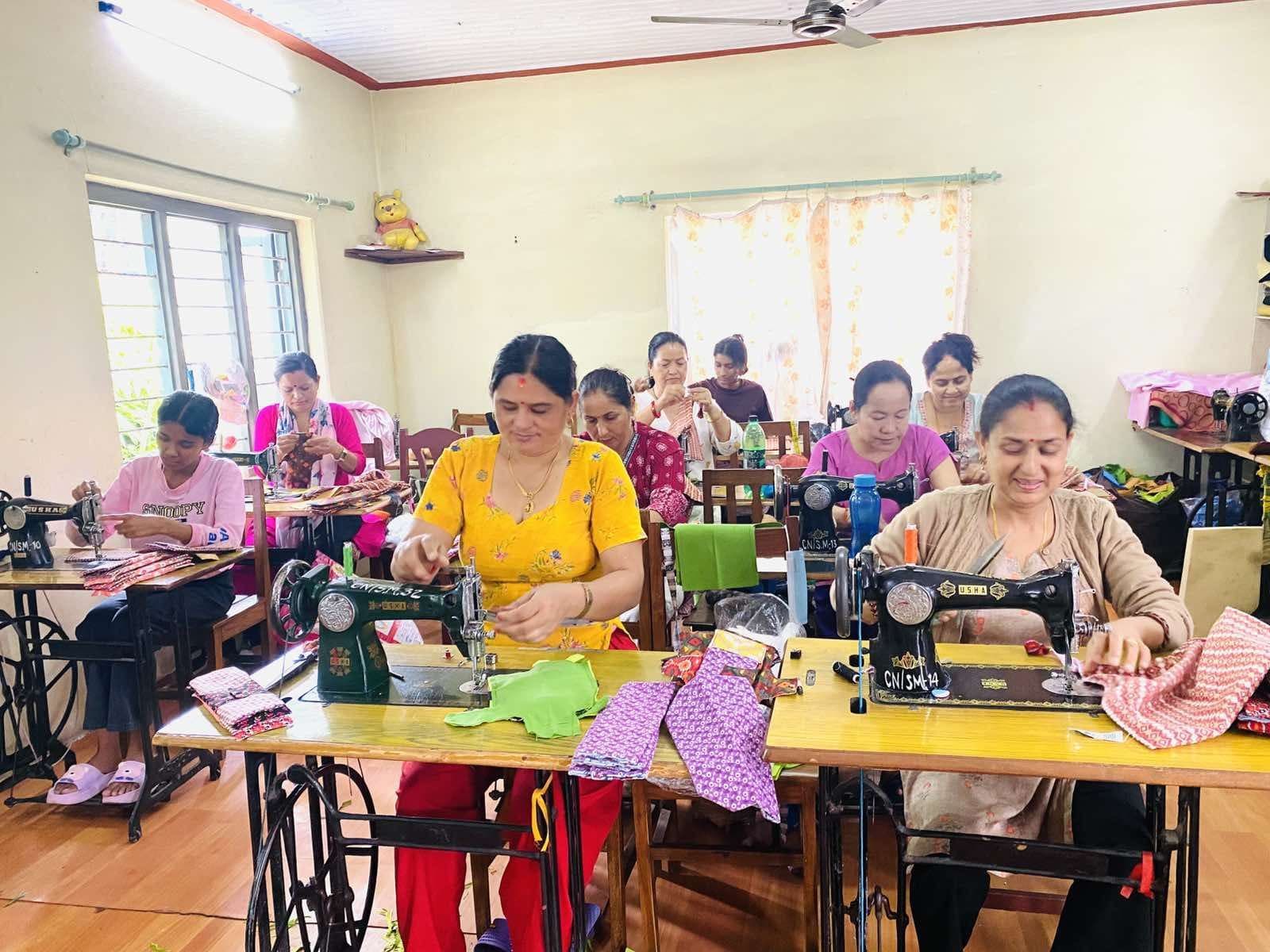
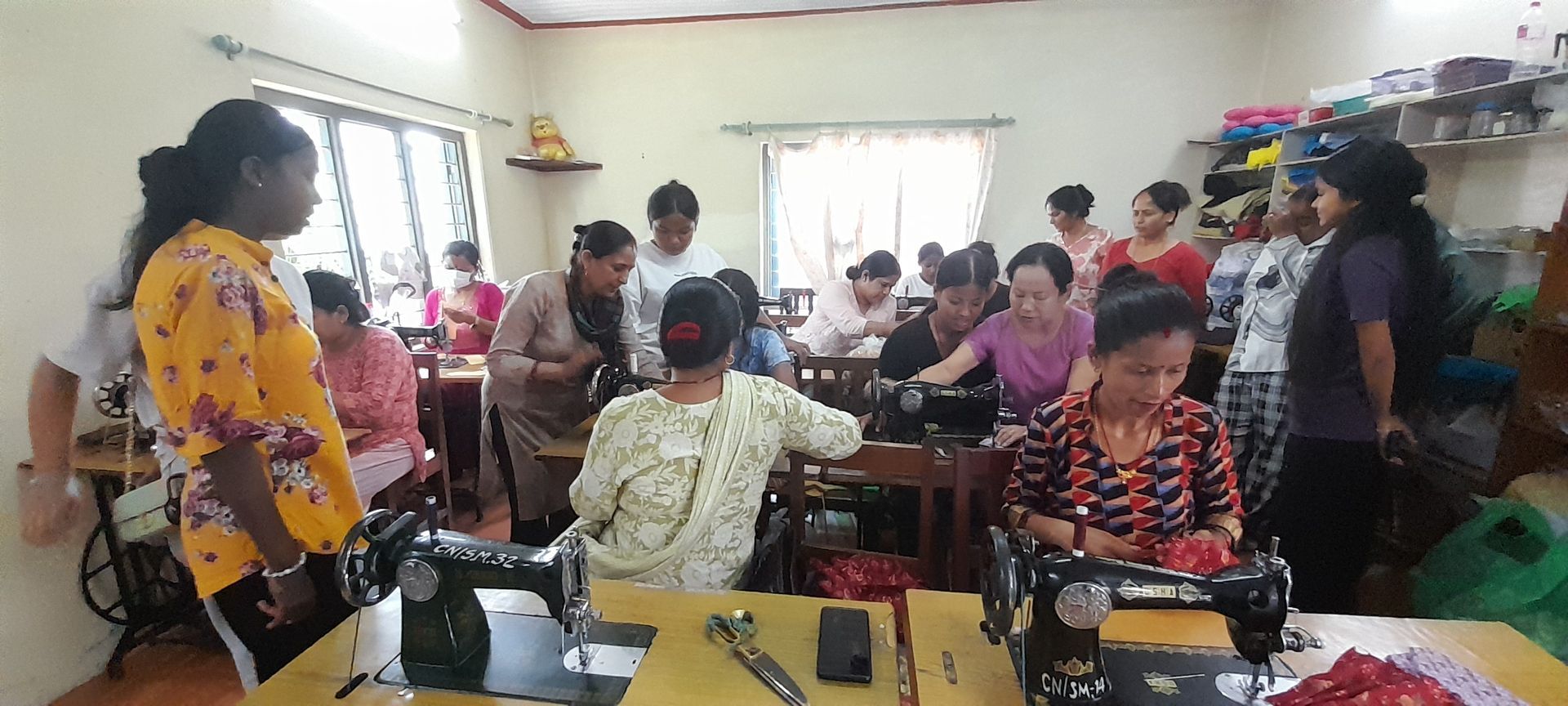
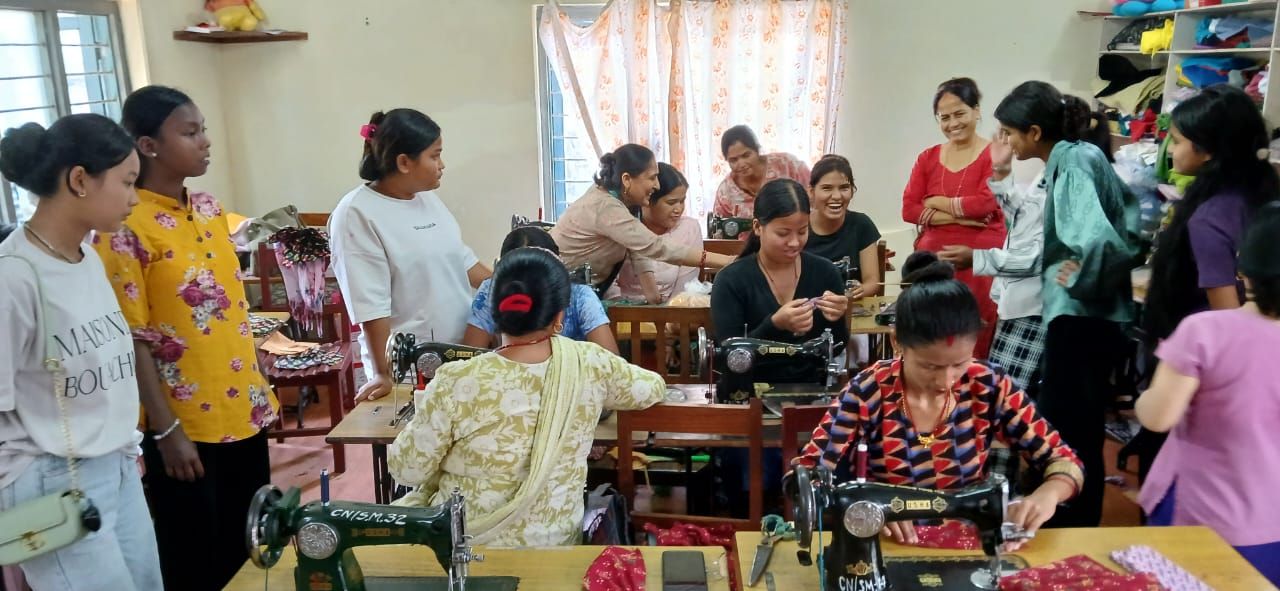
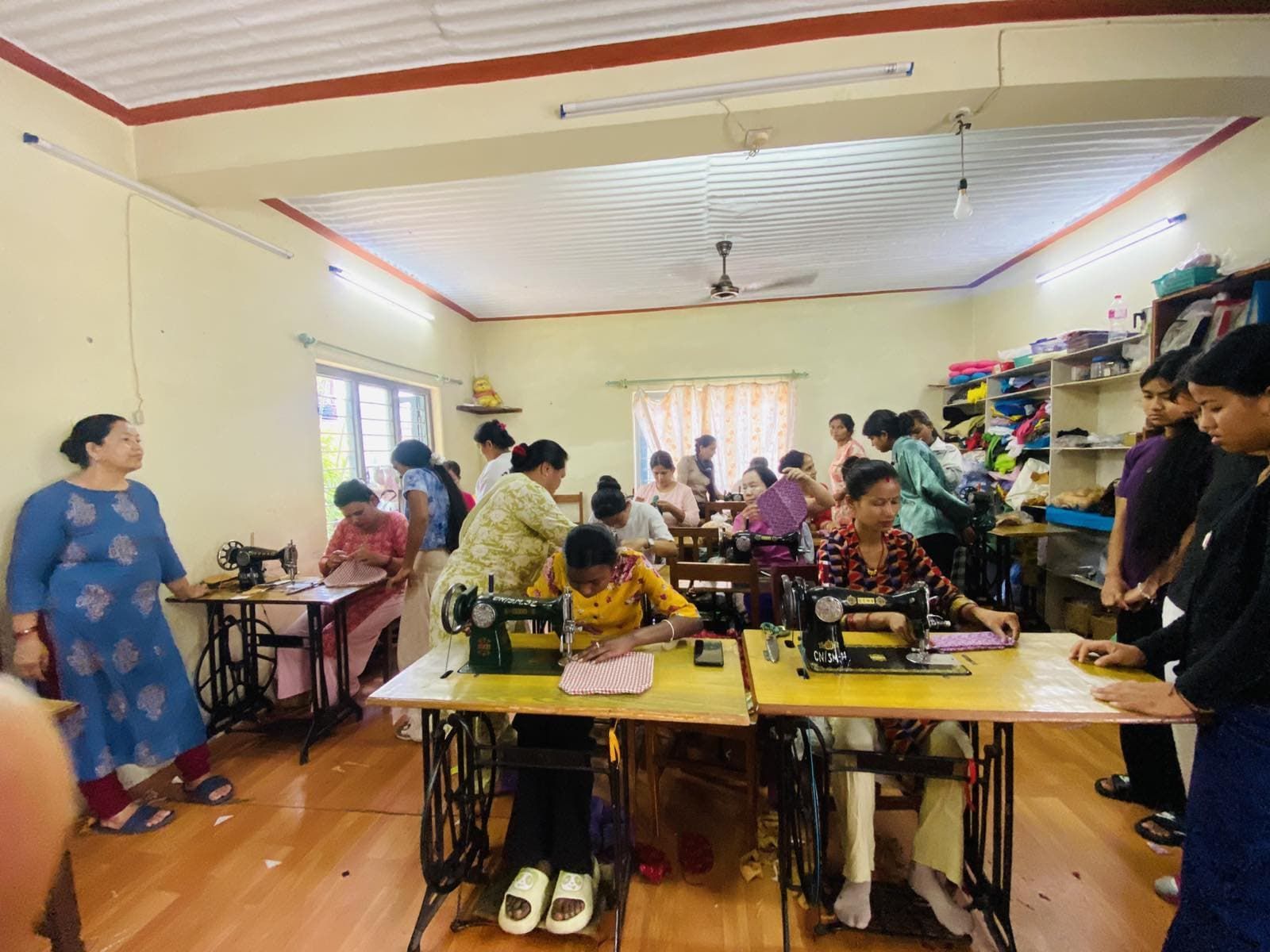
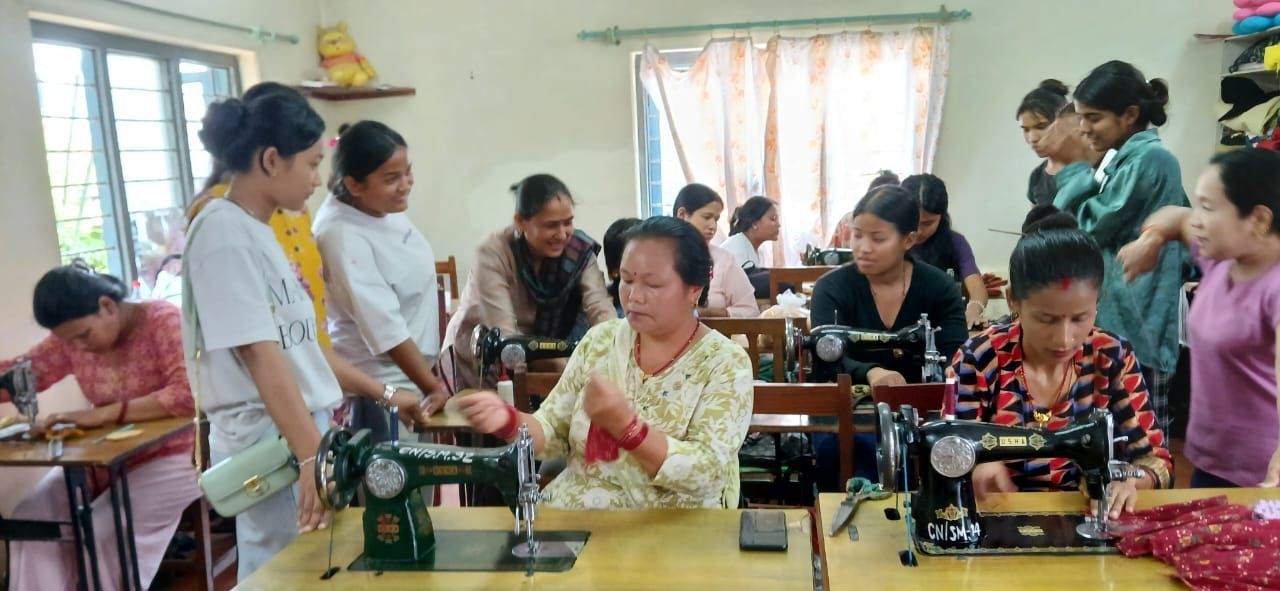
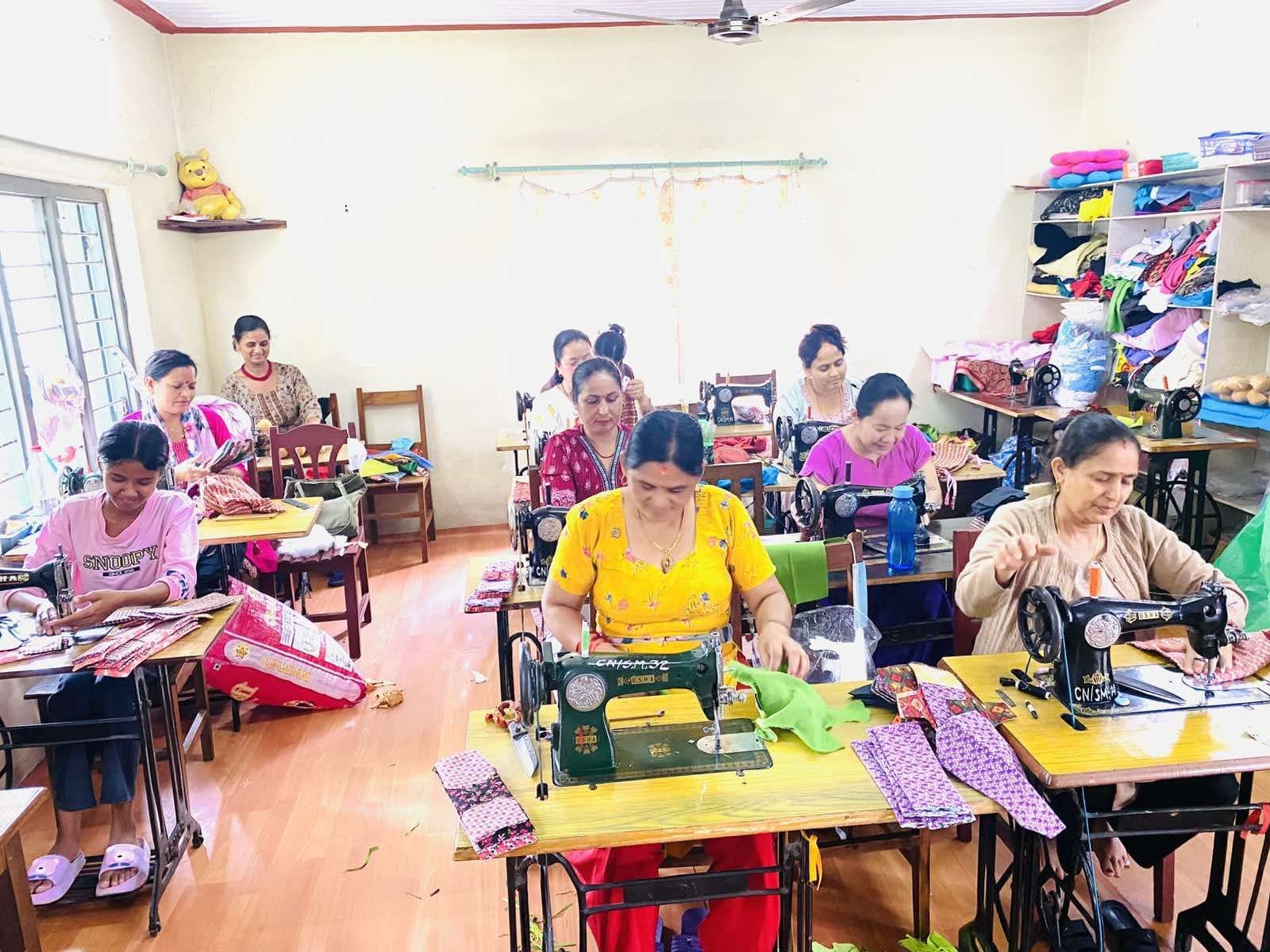
At the heart of the initiative, 110 women and girls took part in hands-on workshops to learn how to produce reusable sanitary pads. Using locally available materials, they practiced cutting, stitching and assembling the pads, while also discussing safe use and maintaining good hygiene. For many, the training went beyond health—it showed how homemade pads could ease the financial burden of monthly purchases and even open the door to small income opportunities.


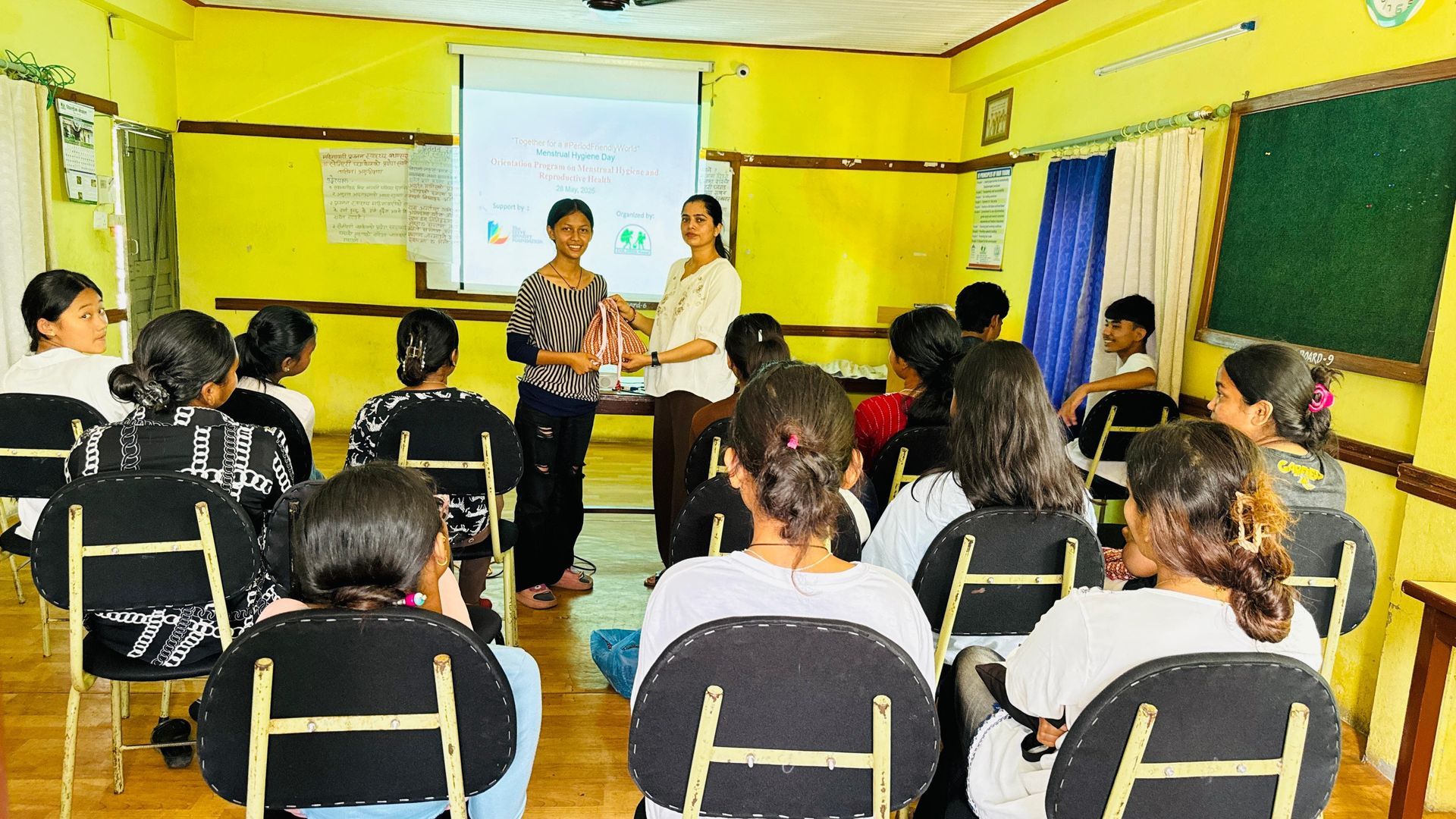
Alongside the production training, 210 women and girls received reusable sanitary pads and joined sessions that explored menstruation, reproductive health and hygiene. These conversations created space to break taboos, share experiences, and highlight the advantages of reusable products, from affordability to sustainability.


Outcomes:

  • Increased awareness of women’s rights and community responsibility in preventing violence
  • Promotion of peaceful conflict resolution and positive social behaviours
  • Reduced stigma around menstruation, encouraging open discussions in schools and communities
  • Current statistics show a 92 per cent increase in girls’ school attendance due to the impact of the Positive Periods and prevention of gender-based violence programmes
  • Empowerment of women and girls with skills to produce reusable pads, lowering family costs and offering eco-friendly alternatives


By equipping women and girls with education, dialogue and practical skills, the initiative is helping to shift deep-rooted norms while empowering women and girls to take control of their health, education and futures. In doing so these women and girls are offered pathways to dignity, equality and resilience.


By Dilly Prasad Sharma

Executive Director Children epal
  • Slide title

    Write your caption here
    Button
  • Slide title

    Write your caption here
    Button
  • Slide title

    Write your caption here
    Button
  • Slide title

    Write your caption here
    Button
  • Slide title

    Write your caption here
    Button
  • Slide title

    Write your caption here
    Button
  • Slide title

    Write your caption here
    Button
  • Slide title

    Write your caption here
    Button
  • Slide title

    Write your caption here
    Button
  • Slide title

    Write your caption here
    Button
  • Slide title

    Write your caption here
    Button
  • Slide title

    Write your caption here
    Button
  • Slide title

    Write your caption here
    Button
  • Slide title

    Write your caption here
    Button
  • Slide title

    Write your caption here
    Button
  • Slide title

    Write your caption here
    Button
  • Slide title

    Write your caption here
    Button
  • Slide title

    Write your caption here
    Button
  • Slide title

    Write your caption here
    Button
Dilly Prasad Sharma • January 23, 2026
By Ann Beatty January 27, 2026
Here we hear from Gabie Aurel who leads the Sonje Ayiti Organization (SAO), our partner in Haiti. They prioritise investing in quality education to break the cycle of poverty, promote long-term economic and social stability, and uplift everyone. It equips children, youth, and adults with the skills to achieve their potential, higher earnings, and better health outcomes. SAO’s work improves community well-being overall and fosters a more resilient and inclusive society. Gabie says,’I am so privileged to grace the path of many inspiring individuals (children, youth, men and women) who share their stories about what education means to them and how it has built their confidence and drastically transformed their lives.’ An example of a life transformed is Rosenie Selmour, a second level participant in ALFA at the Cima Literacy Center in Limonade, Haiti. Here is her testimony: ‘I always felt small when people were reading and writing around me because I couldn't read or write. I was afraid to speak in public, and I was ashamed to say that I couldn't read. Since coming to the Cima Literacy Center, my life has changed. Every day I learn something new. I can read on my own, I can read medical prescriptions, I can read my Creole Bible very well, and even write my children's names on their notebooks and supervise their homework. I am in awe to see how our good education is expressed daily in the form of mutual respect, solidarity, empathy, camaraderie, and how we support and treat each other now. We don't laugh at people if they make mistakes. We correct and we encourage. I remember the first time I read a sentence in front of the class, everyone in the centre was happy and applauded me. I felt proud, it was the first time I felt so valued. What motivates me to come every day? ‘It's my dream to be able to read and write well and to know my fundamental rights. And above all, I feel like I'm not alone. We are a family at Alfa.’ Stories like this fuel SAO’s commitment to invest in quality education throughout Haiti, especially in rural villages where the most vulnerable children, youth, and adults have no access to basic education. SAO’s commitment to breaking the cycle of poverty through quality education promotes greater employment opportunities which lift families out of poverty, thus reducing heavy reliance on social assistance programmes. It boosts economic growth through a skilled workforce, fosters individual well-being, reduces preventable diseases,and improves overall understanding of health. This can prevent diseases, unnecessary deaths and improve overall well-being. Quality education cultivates important cognitive, social, emotional, and communication skills. This reduces conflicts and improves harmony in communities. Additionally, it helps build resilience to recurring difficulties, reduces gender-based violence prevalent in rural communities, and strives to promote gender equality, building stronger communities and societies, enhancing social stability. In sum, quality education for all creates a recurring cycle of inclusive opportunity for all.’ Supporting the Resource Learning Centre in Haiti Until students return to school in December they are learning vocational skills and they themselves are actively involved in site renovation work We are really proud to see this revival take hold with so much passion and responsibility. 
By Gabrielle Aurel January 26, 2026
In March 2025, The Steve Sinnott Foundation, in partnership with Sonje Ayiti Organisation and local partners, launched a month-long campaign in Haiti to raise awareness of gender-based violence and empower communities to take action. The campaign launched on International Women’s Day (8 March) at the CIMA Community School of Hope, where over 200 people gathered for a vibrant programme of cultural dances, drama, partner presentations and open discussions. Facilitators from SOSPSY, a Haitian non-governmental organisation providing psychosocial support and mental health services to communities affected by trauma, violence, and displacement, guided participants in exploring hidden forms of violence often accepted as normal. Their sessions created a powerful space for reflection and the sharing of personal testimonies. Through interactive workshops and educational games, students learned about gender equality and how to recognise and prevent gender-based violence, as well as how to support peers who may be affected. They asked thoughtful questions, engaged actively and pledged to become ambassadors for non-violence in Haiti. As part of the Positive Periods Programme, 20 girls received 100 reusable sanitary pads in recognition of their participation. Many attendees expressed gratitude and a strong commitment to take action within their communities. A national voice inspires local action On 12 March, the campaign welcomed Jean Jean Roosevelt, one of Haiti’s most celebrated singers and a champion for women’s rights through his lyrics. He engaged boys at CIMA School of Hope in a gender-based violence campaign by producing a music video about the topic, giving them a platform to speak about respect for women and their role in ending violence. Their voices will now join a growing national movement for equality. Positive Periods: sustainable solutions for girls and the planet The campaign also tied into the Positive Periods Programme, now in its fourth year. Thanks to funding from The Foundation, students at CIMA’s sewing workshop are making reusable sanitary pads, uniforms and traditional clothing. In March alone, 237 reusable pads were distributed in schools and at the campaign’s closing ceremony, helping girls stay in class and reducing waste from disposables. So far, 41 students have been trained in sewing, with 20 already earning income from their skills. This programme not only supports menstrual health but also tackles poverty and environmental challenges by promoting cost-effective, sustainable, reusable products. Reusable sanitary pads have helped reduce school absenteeism for more than 1,500 girls while also cutting waste across 19 rural schools. This year, the sewing workshops at CIMA Community School of Hope expanded the Positive Periods Programme, training 41 students, both girls and boys, in pad-making and other skills. Twenty of these students are now earning an income of 1,000 Gourdes (around $8 USD) per uniform, while also producing reusable pads for women and girls who cannot make their own. Through The Foundation, the Learning Resource Centre provides a Sewing Workshop that is equipped with machines and supplies, enabling students, not only to produce pads but also to develop valuable skills. Designed for durability, these pads can be reused for years, reducing costs, limiting import, and providing income-generating opportunities for students. Monitoring and evaluation The project evaluated both implementation and methodology before, during, and after each intervention. Pre-assessments measured participants’ knowledge of gender-based violence, while sessions ensured understanding and post-assessments allowed questions and discussion. Initially, most participants were unfamiliar with gender-based violence, but by the end, they actively engaged in discussions on issues like men’s authority over women and corporal punishment, showing increased awareness and commitment. Follow-up interviews confirmed retention of key information and a willingness to adopt behaviours that help prevent gender-based violence in their communities. In total, the campaign reached more than 500 people directly and an estimated 5,000–10,000 indirectly through community networks, posters, and social media—spreading vital messages of equality and change far beyond the classroom walls. Looking ahead Evaluations showed that most participants entered the campaign with little knowledge of gender-based violence but left with a clearer understanding and determination to act going forward. Through these initiatives, The Steve Sinnott Foundation is helping young people and communities stand together against violence, build sustainable futures ,and create a more equal, hopeful Haiti. This programme is supported by the Soroptimist International Foundation, a Charitable Trust overseen by SI (Soroptimist International) Limited. By Gabrielle Aurel Director of Sonje Ayiti
By Michelle Mosupye January 22, 2026
The Dignity Defenders Workshop and Campaign represents a critical and highly effective values-based movement to combat gender-based violence (GBV) in Gauteng, South Africa. The 2025 programme successfully engaged a total of 467 male learners (ages 13–16) and 35 educators across two focused phases. The overall goal, to equip boys with the knowledge, values, and emotional intelligence to lead lives of dignity, empathy, and responsibility, was demonstrably achieved, positioning these young men as powerful agents of change and protectors in their schools and communities, in direct support of SDGs 5 (Gender Equality) and SDG 16 (Peace, Justice). The initial phase, a transformative three-day residential camp in June, targeted 120 high school boys with an intensive curriculum focused on consent, self-regulation, and healthy masculinity. A powerful attitudinal shift in leadership, confidence in speaking out against wrong, and a remarkable shift in viewing HIV testing as a responsible, leadership-oriented act. The programme’s innovative approach, which included contributions from the Departments of Justice, South African Police Service (SAPS), and Health, delivered holistic tools to challenge peer pressure, define personal boundaries, and build a positive self-identity. The Dignity Defenders Campaign continued to build powerful momentum. Following a transformative boy’s camp session in June 2025, the campaign entered its follow-up phase, which looked at a school rollout phase on 10 and 11 September, reaching two Special Education Needs schools, Sizanani Special School in Bronkhorstspruit and Adelaide Tambo School in Soweto. Over two afternoons, 347 boys with a mild intellectual disability (MID) and their male educators stepped into safe, affirming spaces where kindness, courage, and emotional intelligence were celebrated as everyday superpowers. These sessions were not just educational, they were deeply personal, emotionally intelligent, and value-driven. Coordinated by NAPTOSA in collaboration with the Gauteng Department of Education and facilitated by The Art of Wellbeing (TAOW), Metrokids Africa, and Tranquillity Rehab. Together, these partners delivered a programme that was structured, impactful, and deeply aligned with the national call to end gender-based violence. Each session was thoughtfully tailored to meet the needs of learners with MID, ensuring that every boy could engage meaningfully and leave with tools they could truly use. The facilitation wasn’t just informative, it was transformative, leaving lasting impressions and sparking real shifts in self-awareness and behaviour. These sessions didn’t just teach; they connected, resonated, and equipped. They gave boys language for their emotions, courage to challenge harmful norms, and practical ways to live out dignity every day. Symbols of strength: dignity you can hold, kindness you can wear Every learner left the session with more than just ideas, they carried tangible reminders of their worth. Learners were gifted a Dignity Defender ribbon, boldly printed with affirmations like ‘I Am a Dignity Defender’ and ‘Kindness is My Superpower.’ These ribbons weren’t just accessories, they were wearable pledges. They symbolised each boy’s commitment to speak with empathy, act with courage, and protect the dignity of others. The ribbon became a badge of belonging and a visible reminder that dignity is not just a concept, it’s a choice lived out in words, actions, and how we treat ourselves and those around us. Raising protectors: practical tools for real-world change By the end of the sessions, each boy walked away with more than knowledge; they left with tools to live out dignity in daily life. Through emotionally intelligent facilitation, learners were empowered to: Build self-respect through positive self-talk and kindness Stand up to bullying and reject harmful masculinity Make informed, healthy choices that protect their futures Support one another as allies in safe, respectful school environments These sessions reinforced a powerful truth: real strength is found in dignity, empathy, and responsibility. The boys were not just taught, they were transformed into defenders of what matters most. This rollout marks a significant step forward in the Dignity Defenders journey, which began in 2024 and is already shaping the next generation of kindness-driven leaders. These boys now walk through their schools and communities as Dignity Defenders, carrying a message that dignity matters and every word counts. Together, we are building a future where no learner stands alone and dignity is defended by all. While challenges remain, particularly sustaining the impact against peer pressure and expanding parental involvement, the programme has established a proven model for proactive GBV prevention. The Dignity Defenders movement has moved beyond a single workshop to become a sustainable, replicable strategy that is actively shaping the next generation of accountable, kind- driven leaders. We are committed to building upon this foundation, ensuring that the legacy of dignity and respect championed by The Steve Sinnott Foundation continues to grow across South African schools. By Michelle Mosupye Executive Officer National Professional Teachers Organisation of South Africa