Dignity Defenders: Combatting Gender Based Violence in South Africa

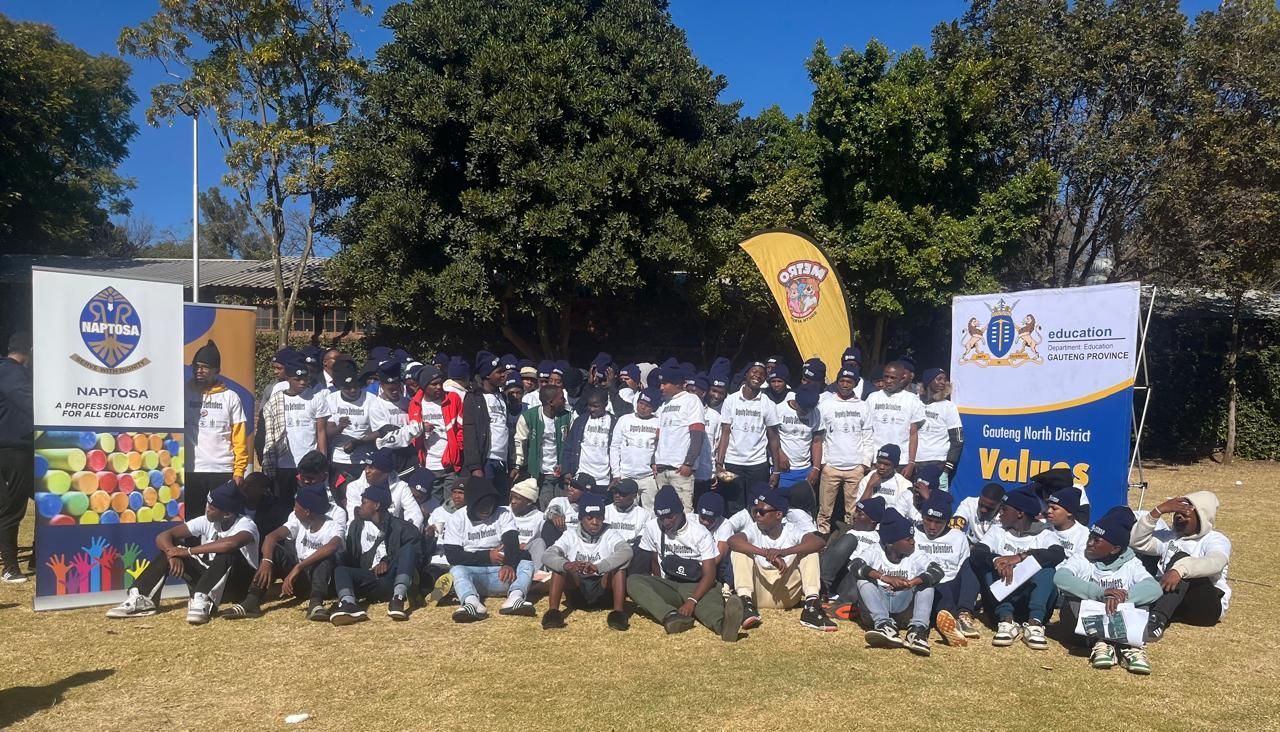
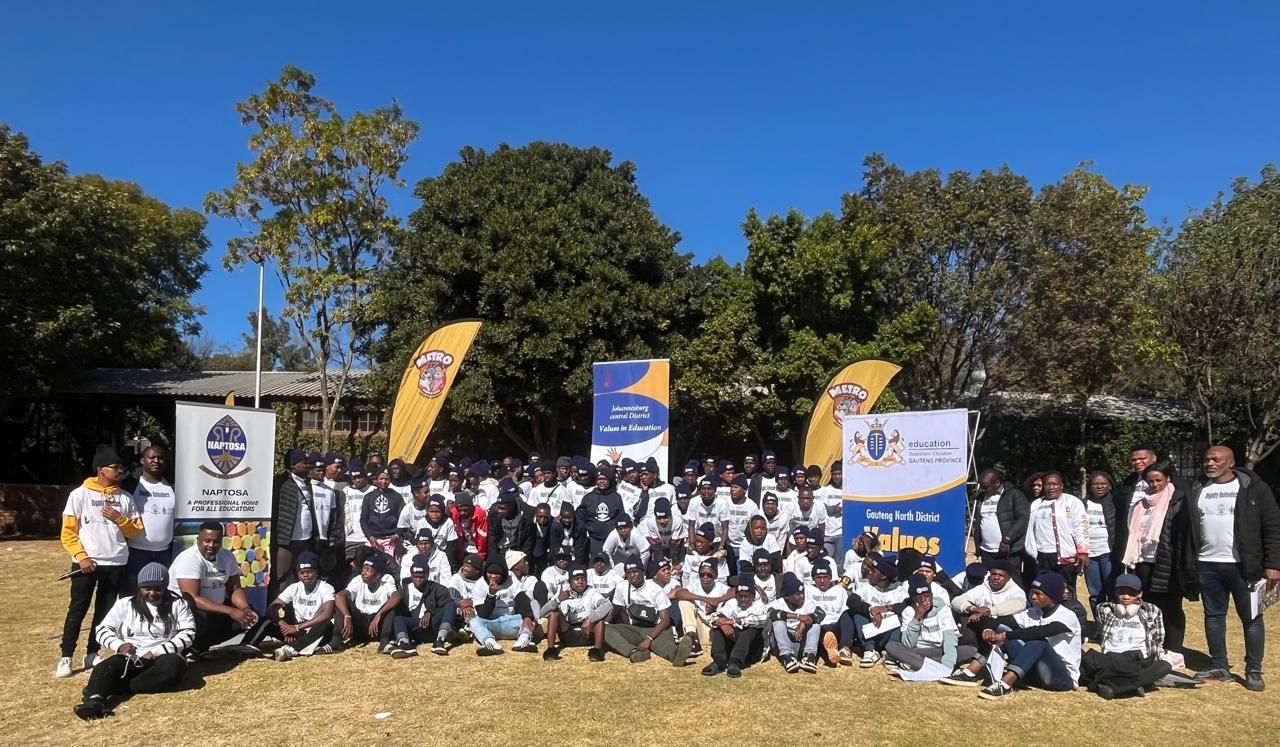
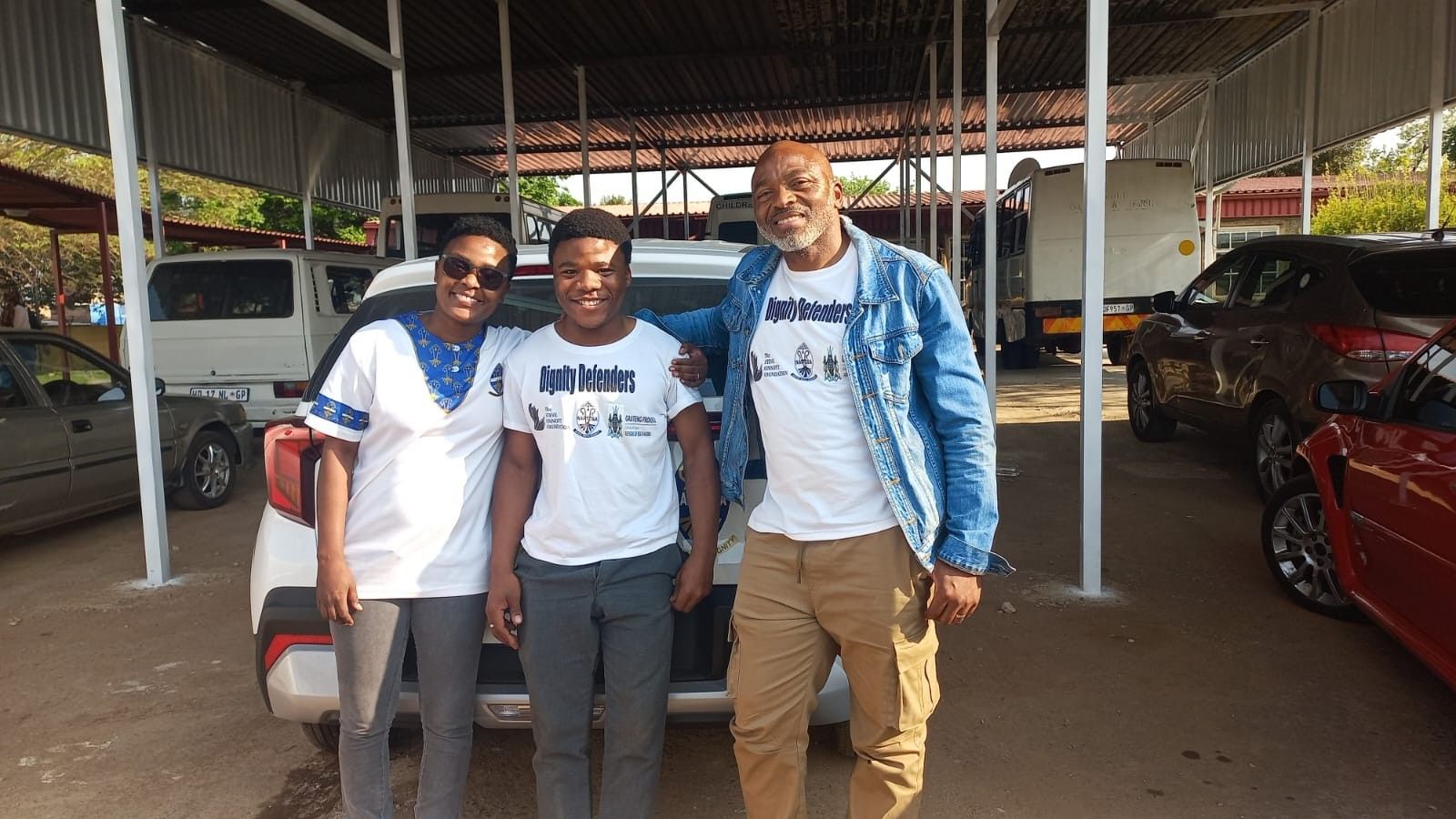
The Dignity Defenders Workshop and Campaign represents a critical and highly effective values-based movement to combat gender-based violence (GBV) in Gauteng, South Africa. The 2025 programme successfully engaged a total of 467 male learners (ages 13–16) and 35 educators across two focused phases. The overall goal, to equip boys with the knowledge, values, and emotional intelligence to lead lives of dignity, empathy, and responsibility, was demonstrably achieved, positioning these young men as powerful agents of change and protectors in their schools and communities, in direct support of SDGs 5 (Gender Equality) and SDG 16 (Peace, Justice).


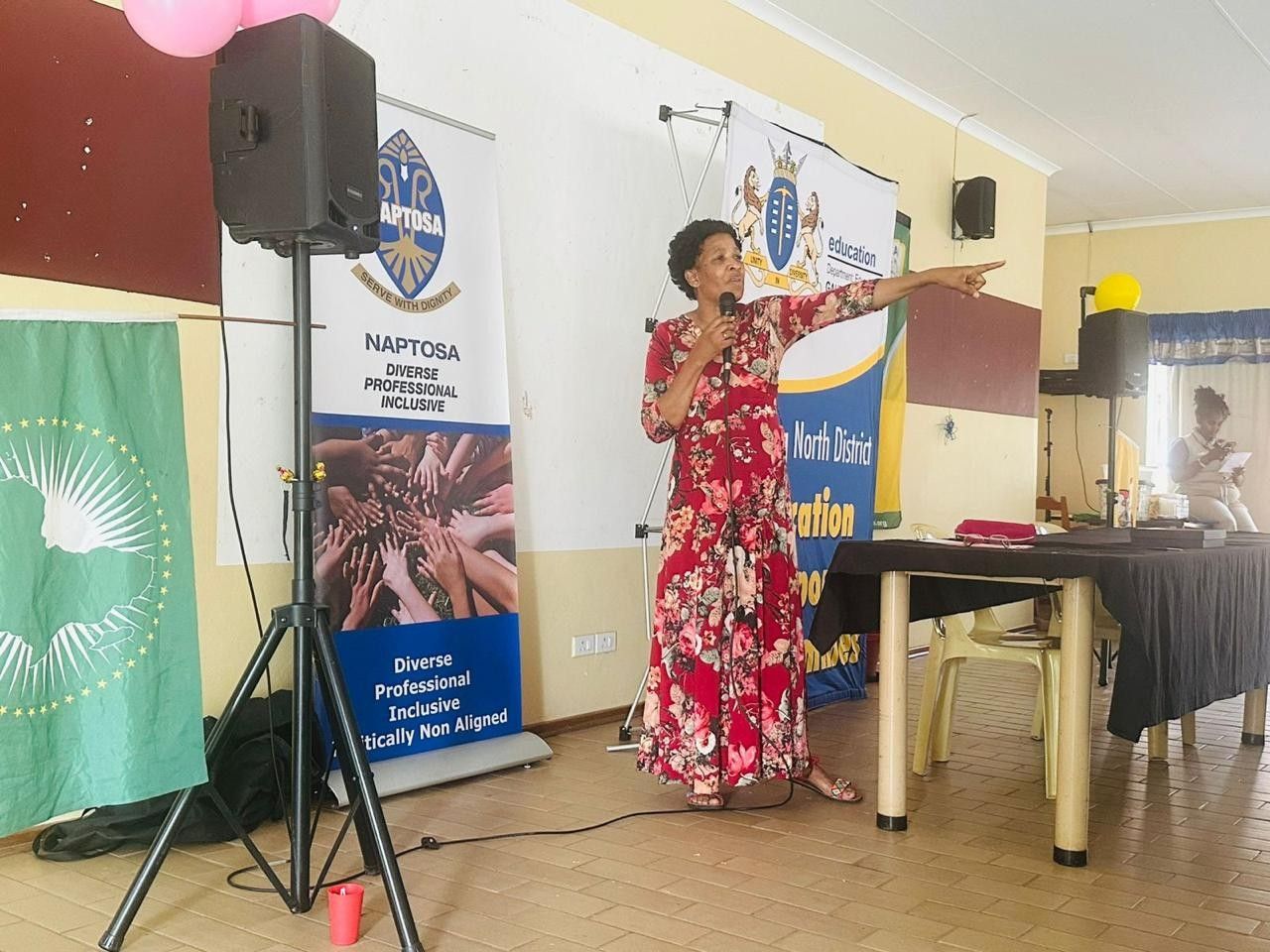
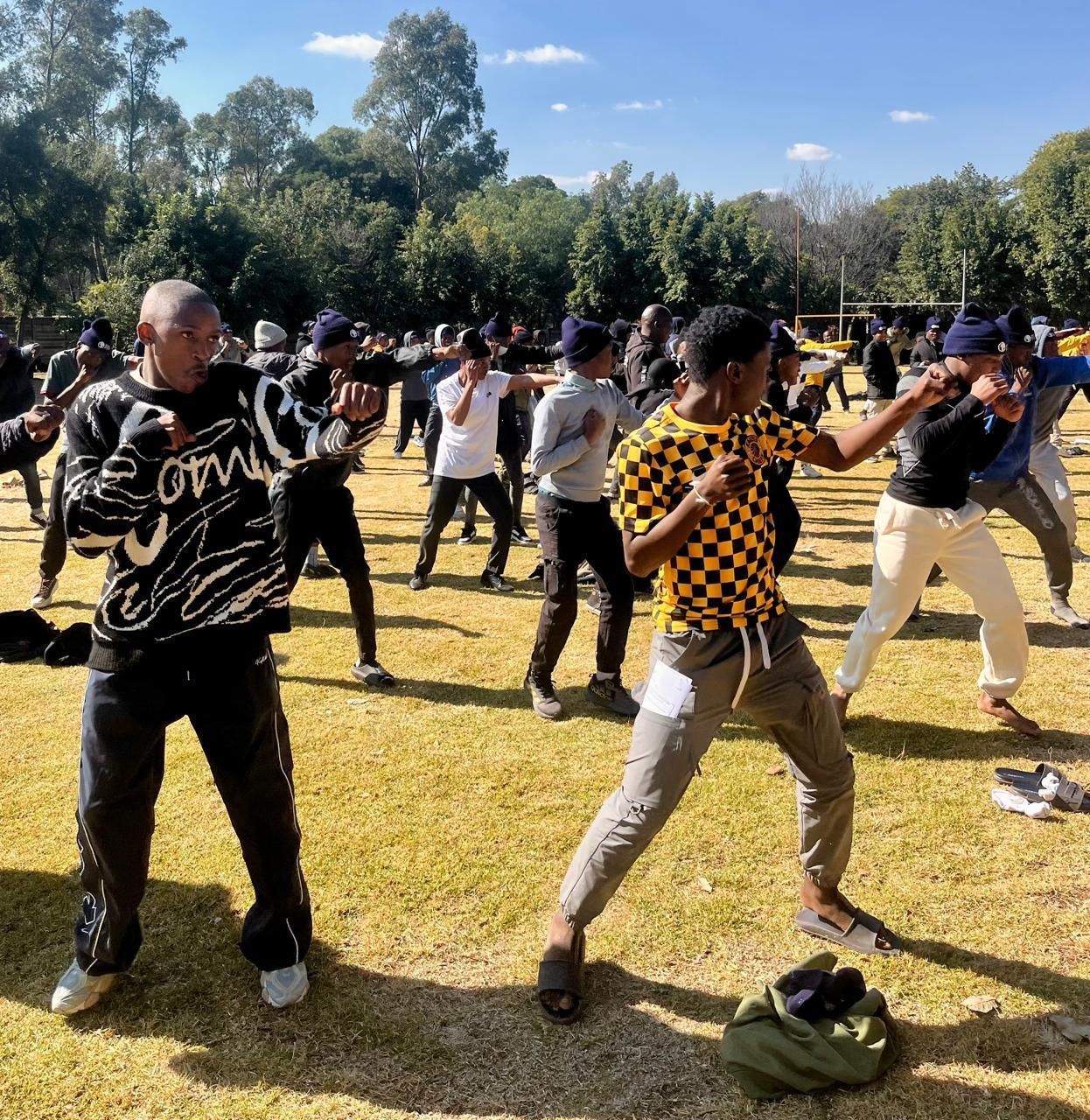
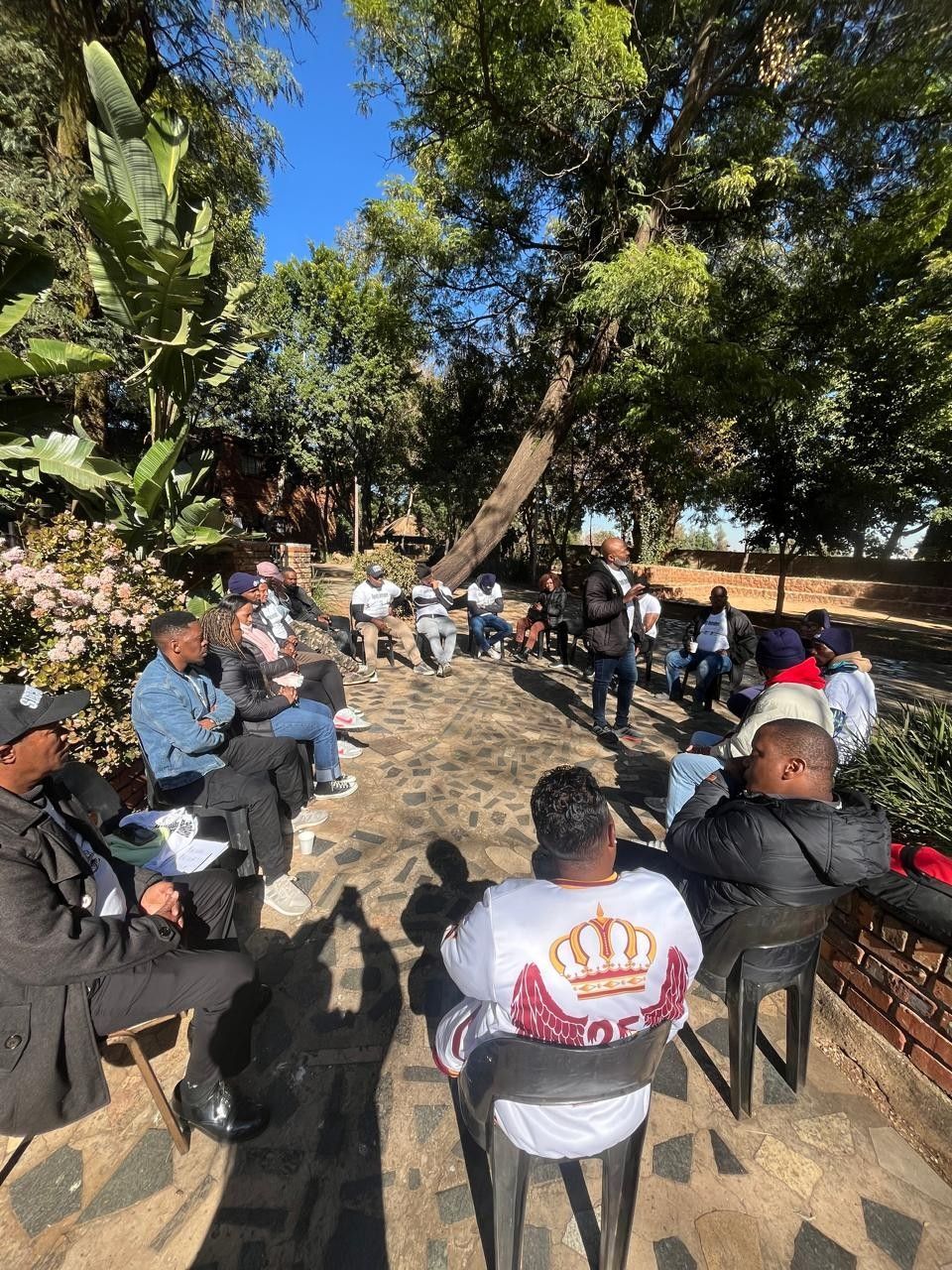
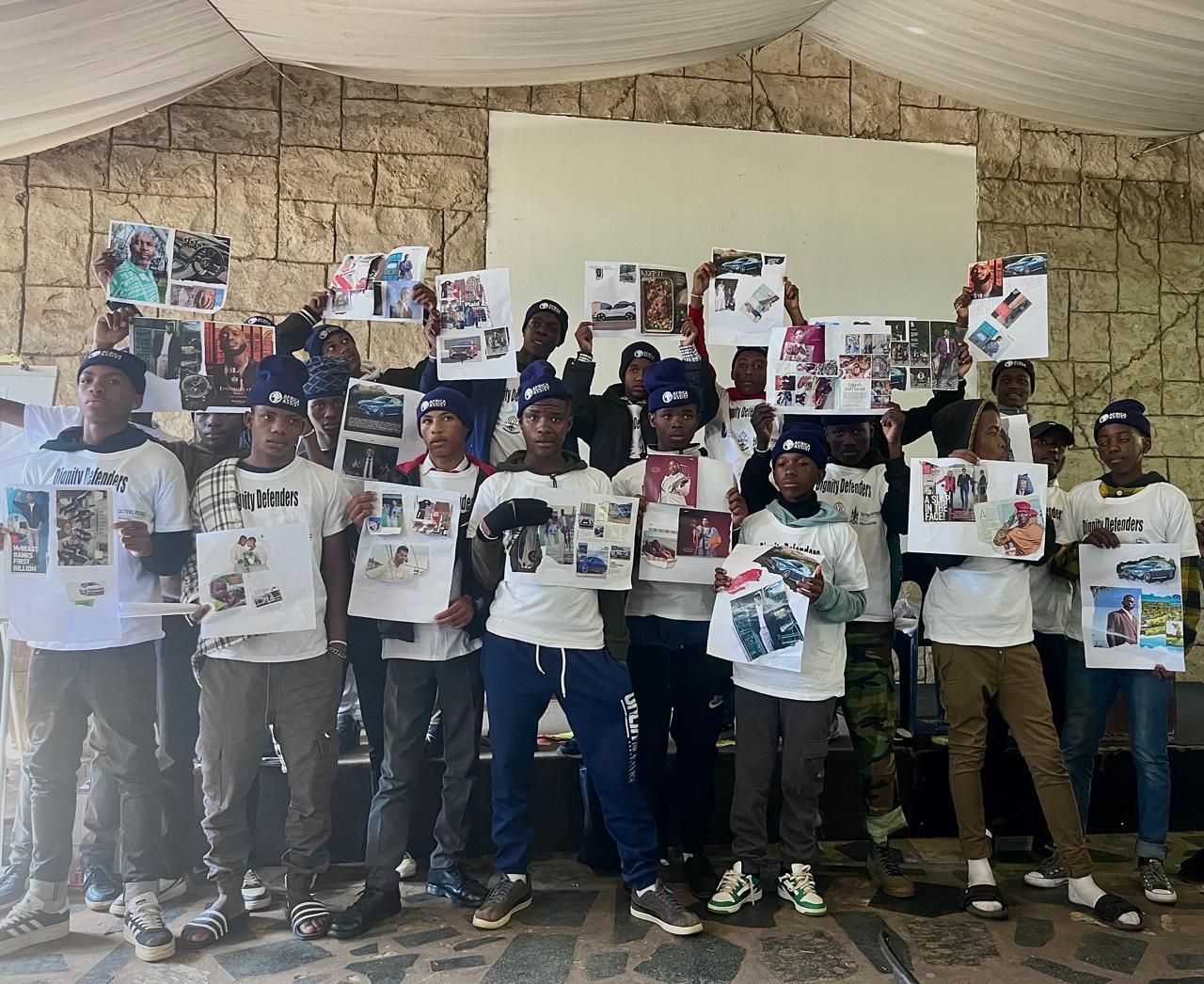
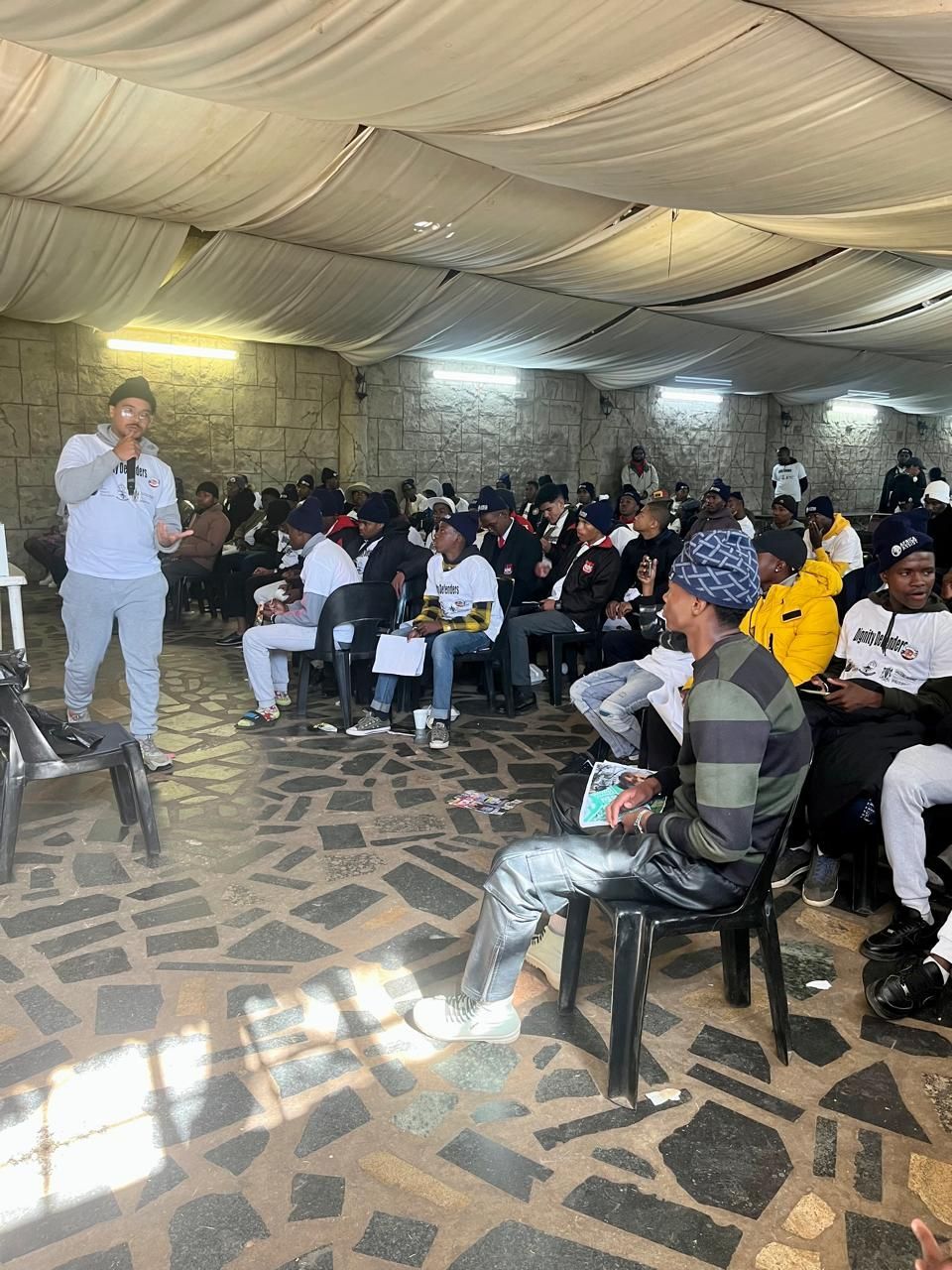
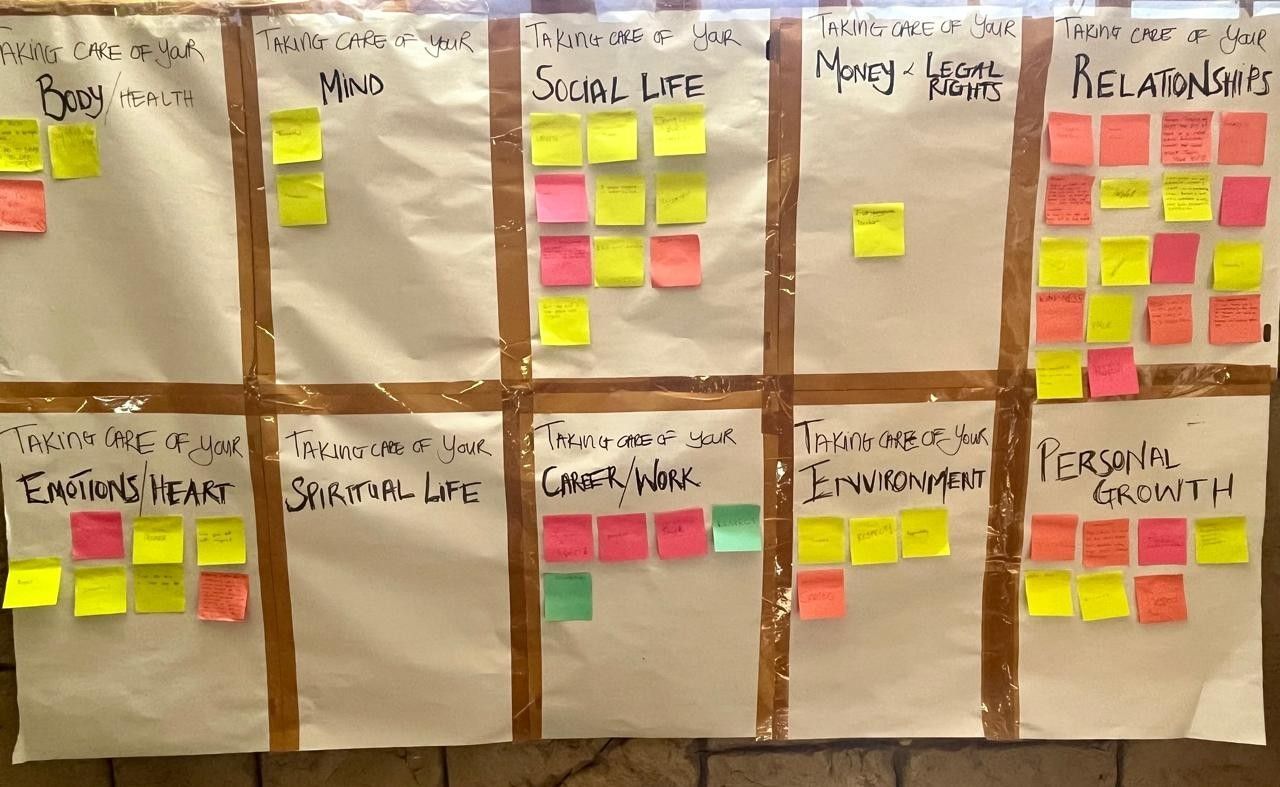
The initial phase, a transformative three-day residential camp in June, targeted 120 high school boys with an intensive curriculum focused on consent, self-regulation, and healthy masculinity. A powerful attitudinal shift in leadership, confidence in speaking out against wrong, and a remarkable shift in viewing HIV testing as a responsible, leadership-oriented act. The programme’s innovative approach, which included contributions from the Departments of Justice, South African Police Service (SAPS), and Health, delivered holistic tools to challenge peer pressure, define personal boundaries, and build a positive self-identity.


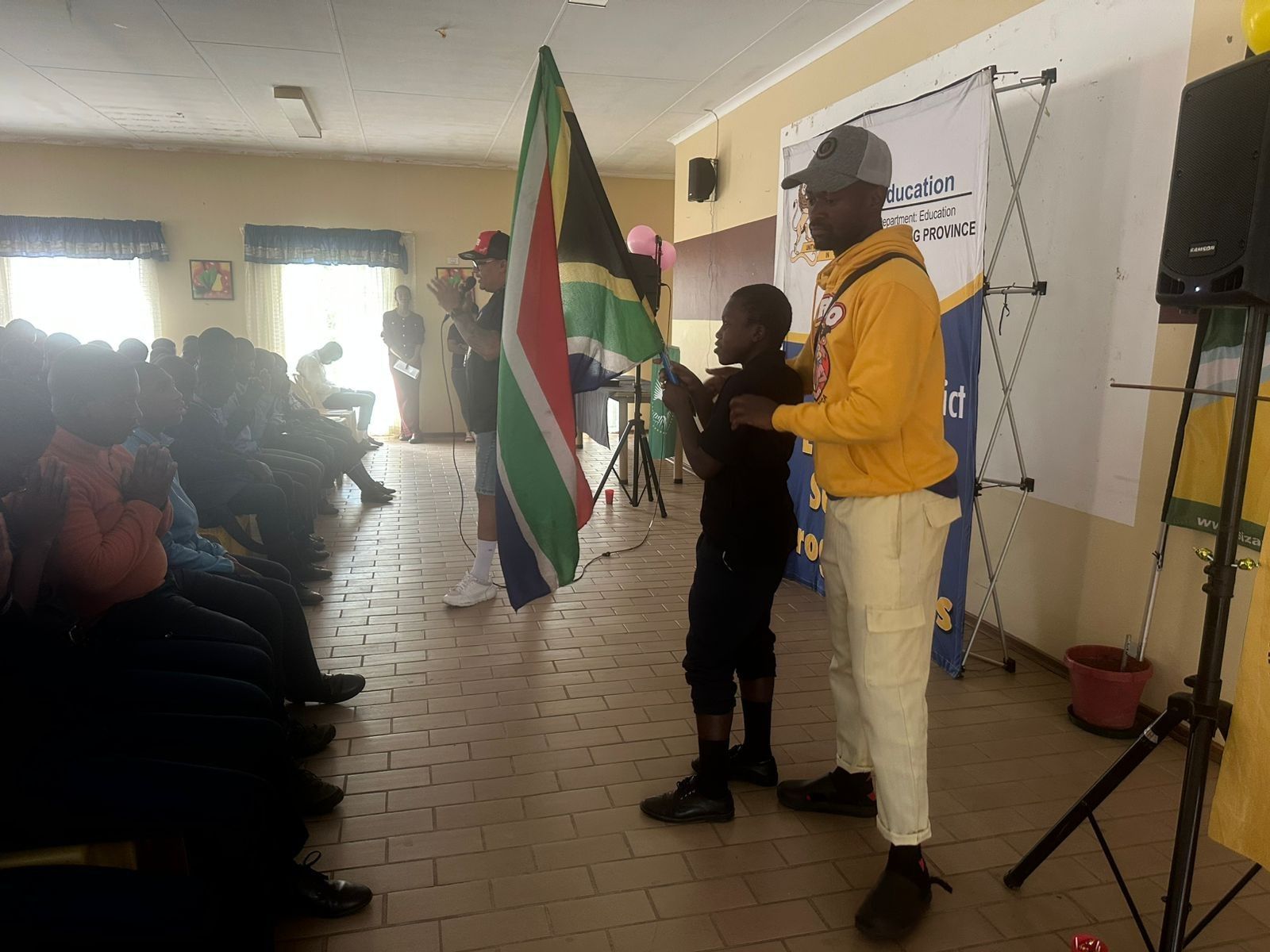
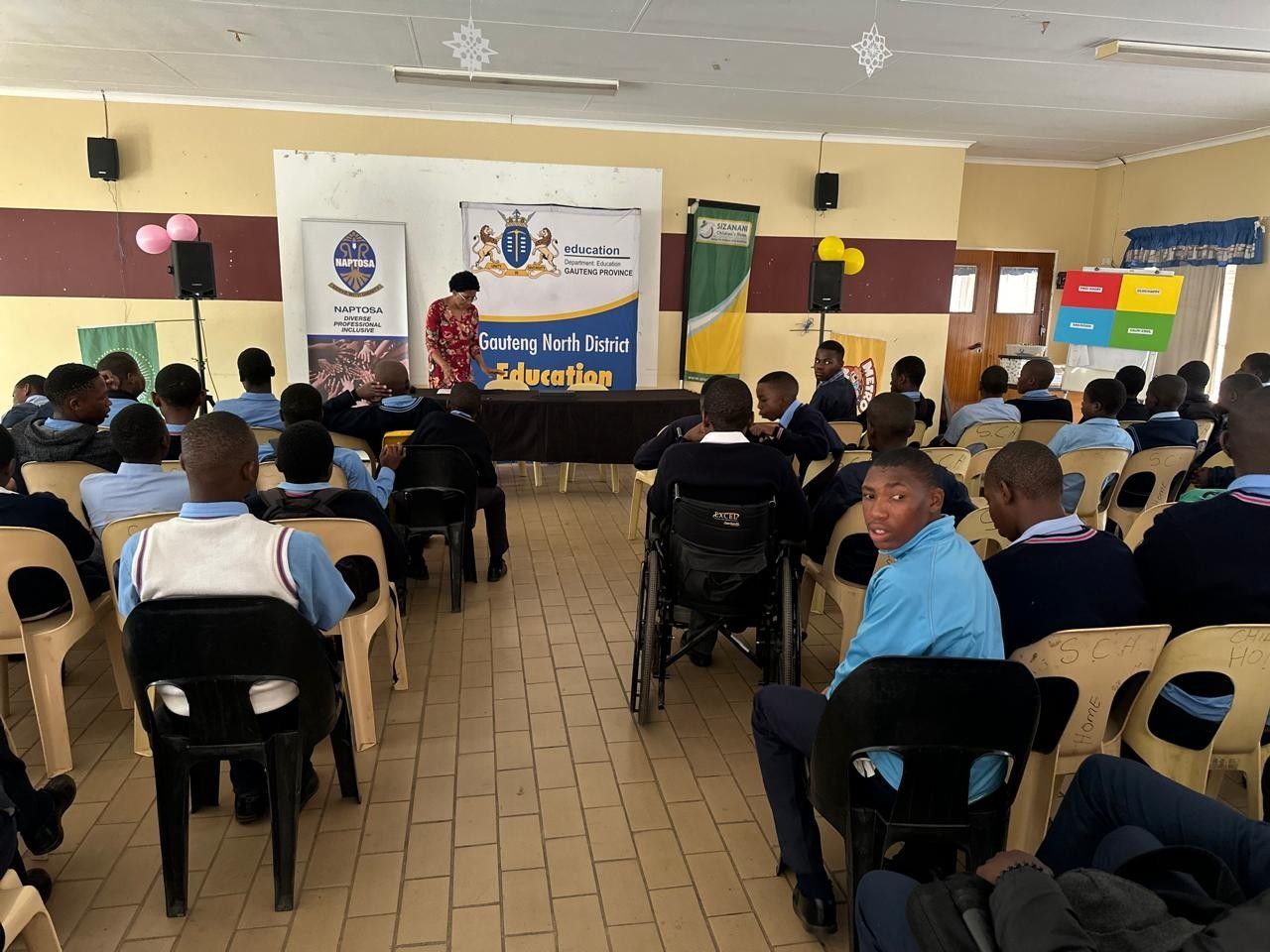
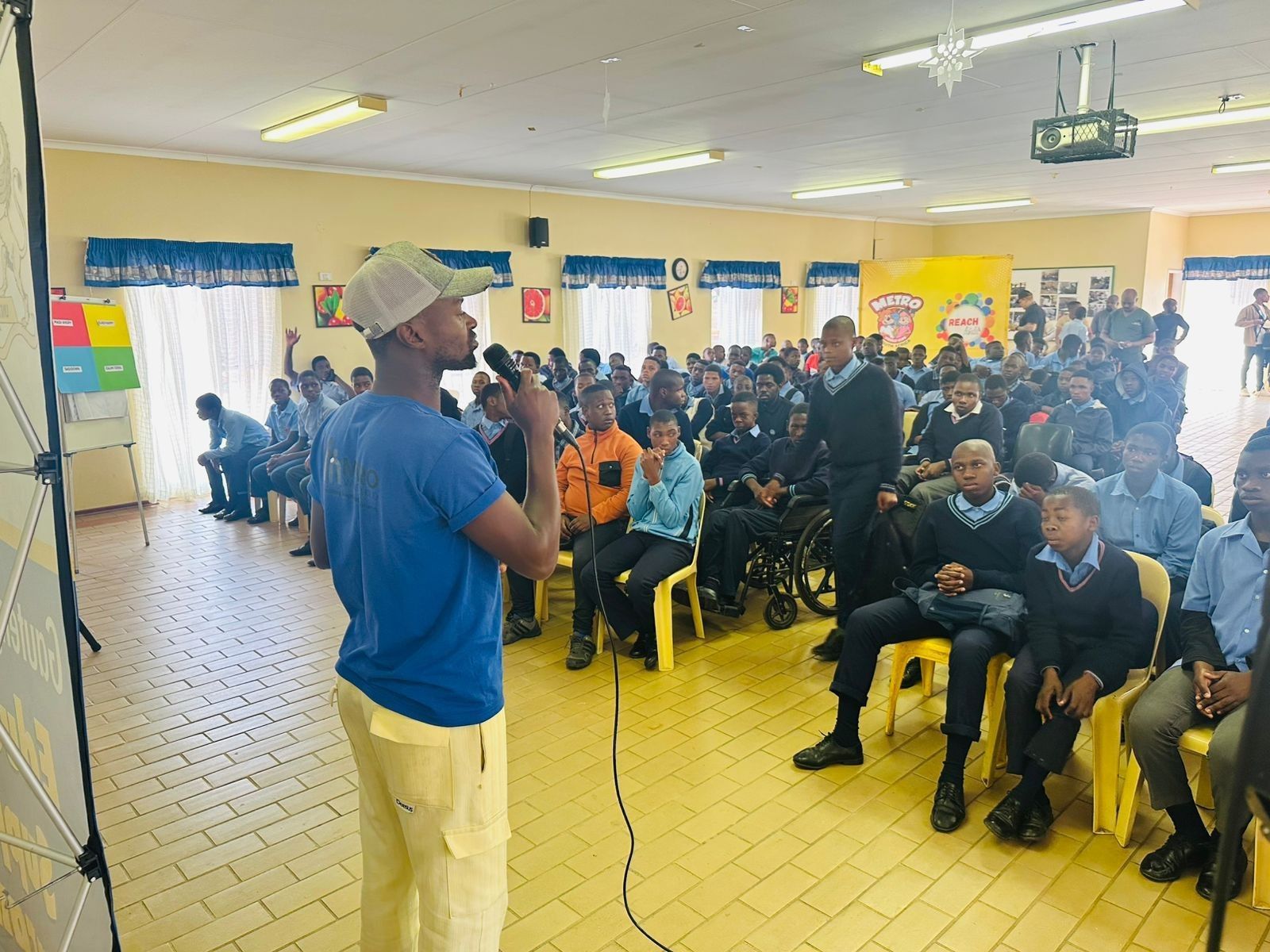
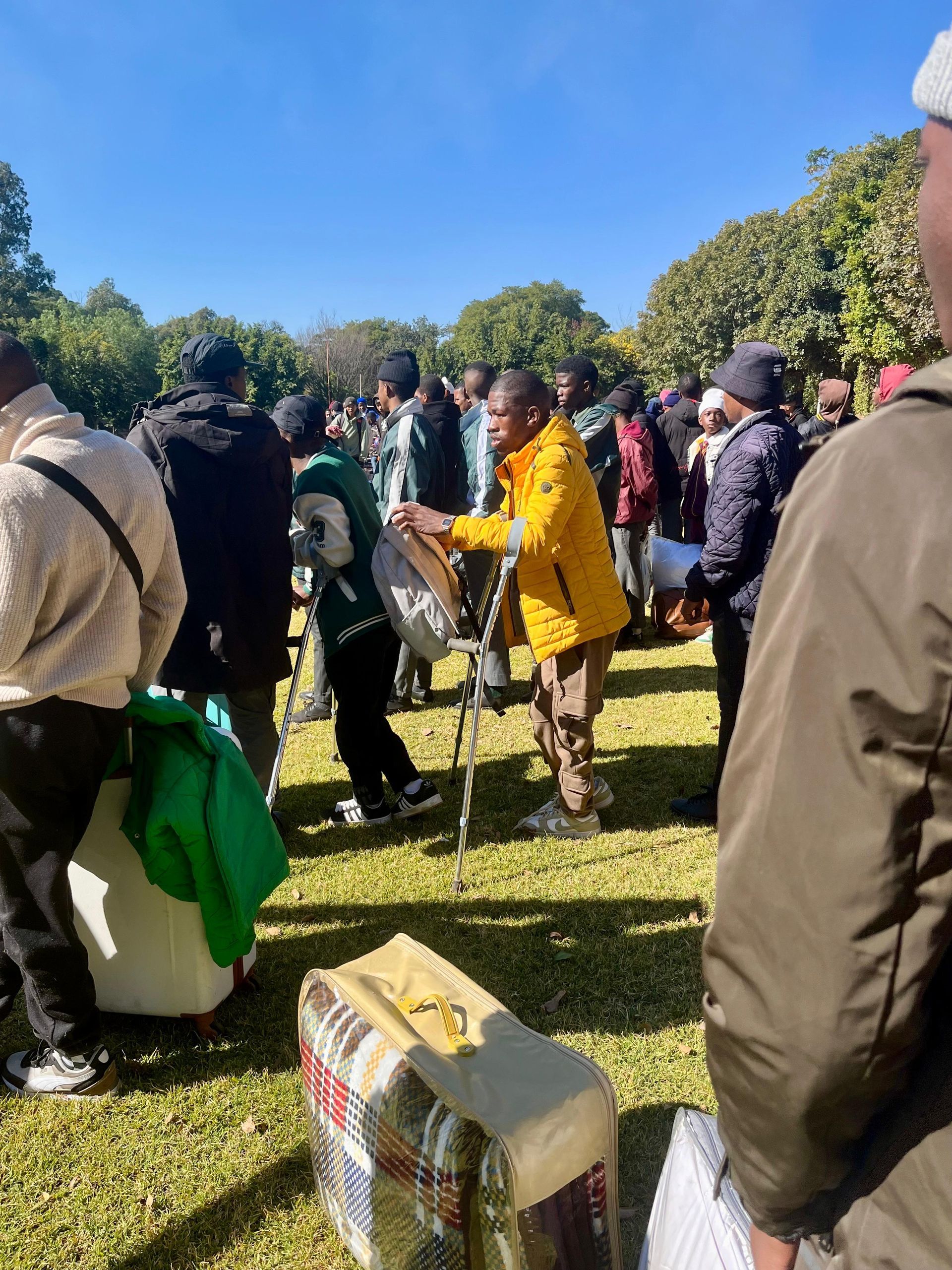
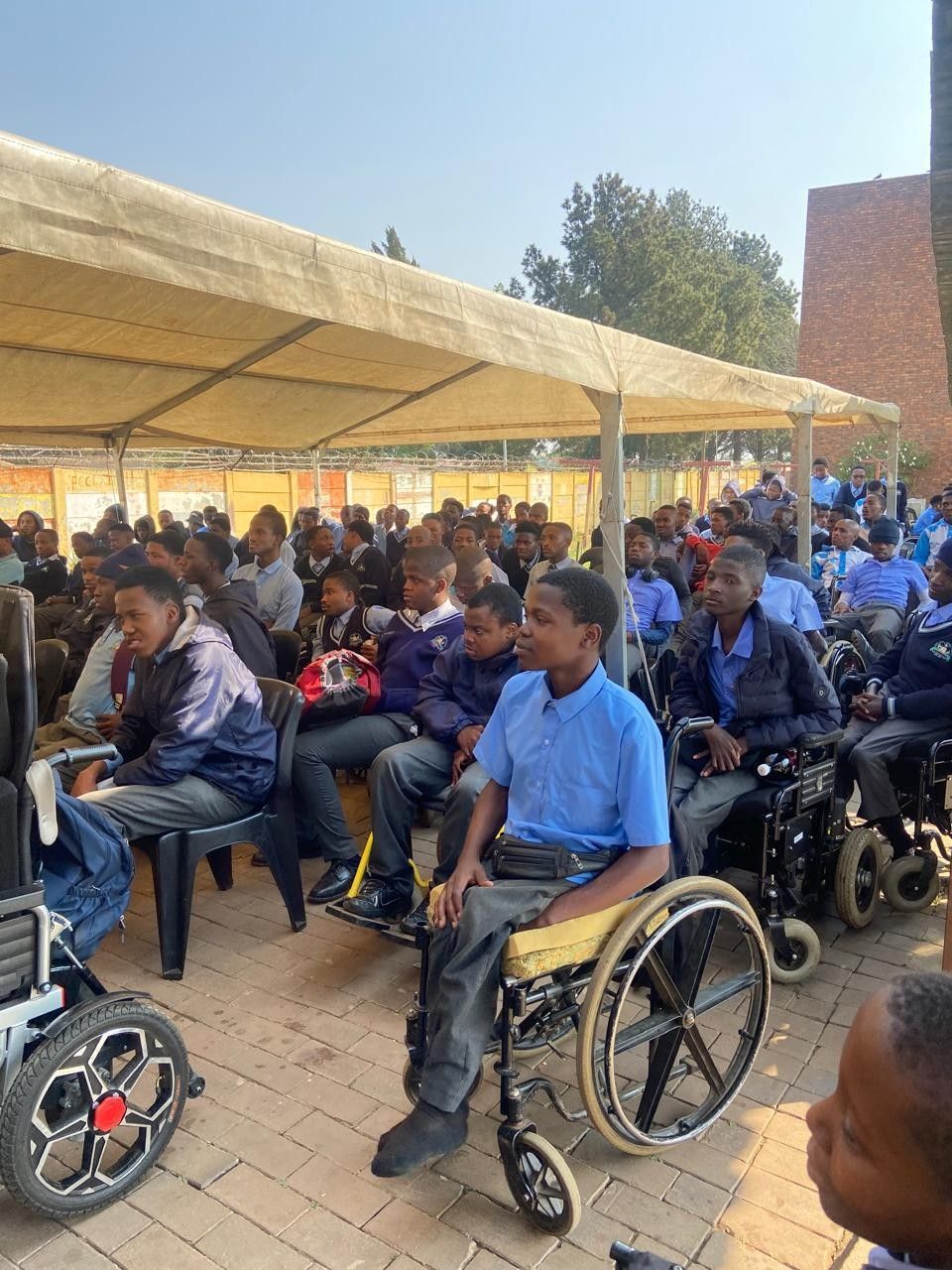
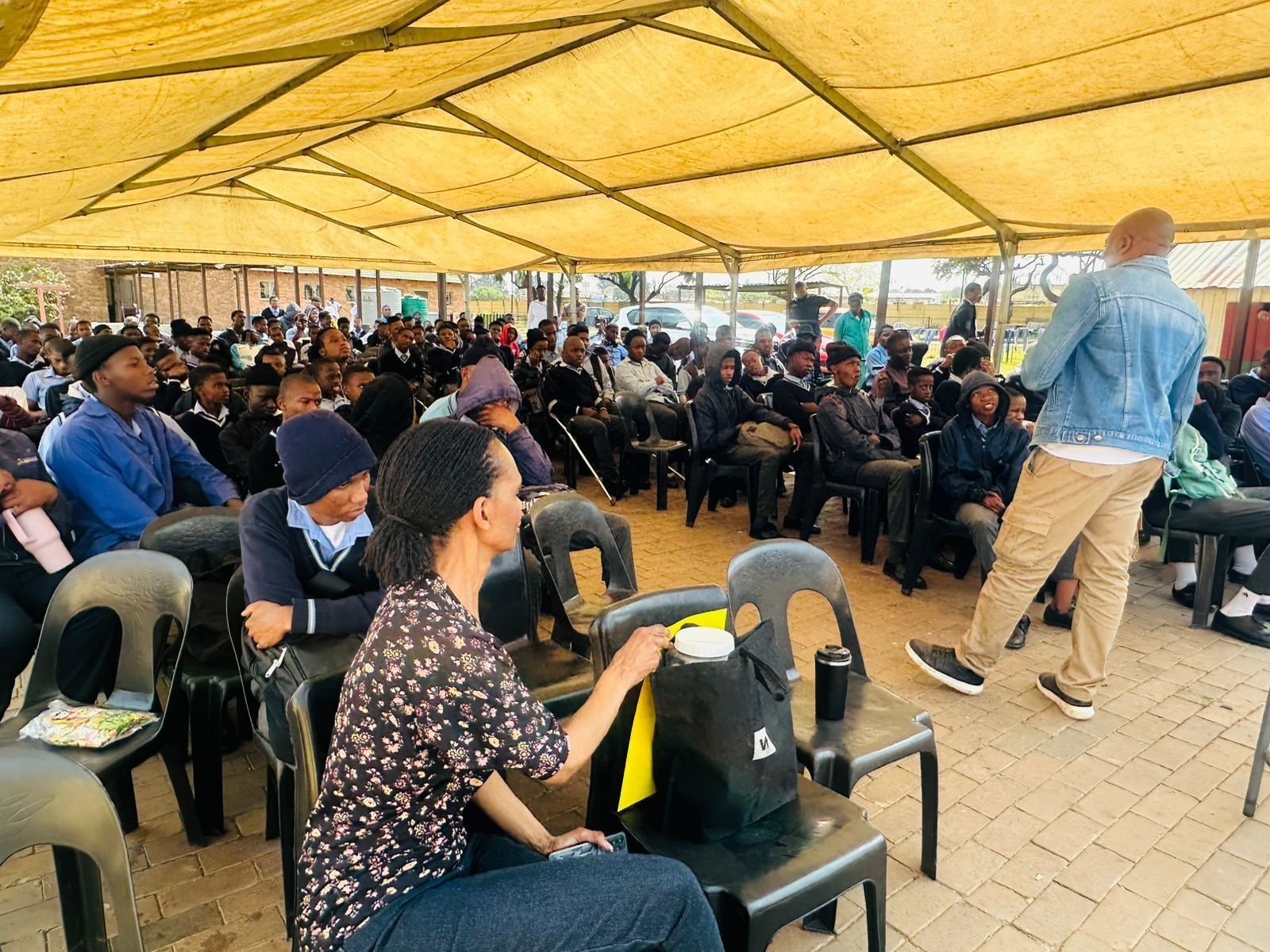
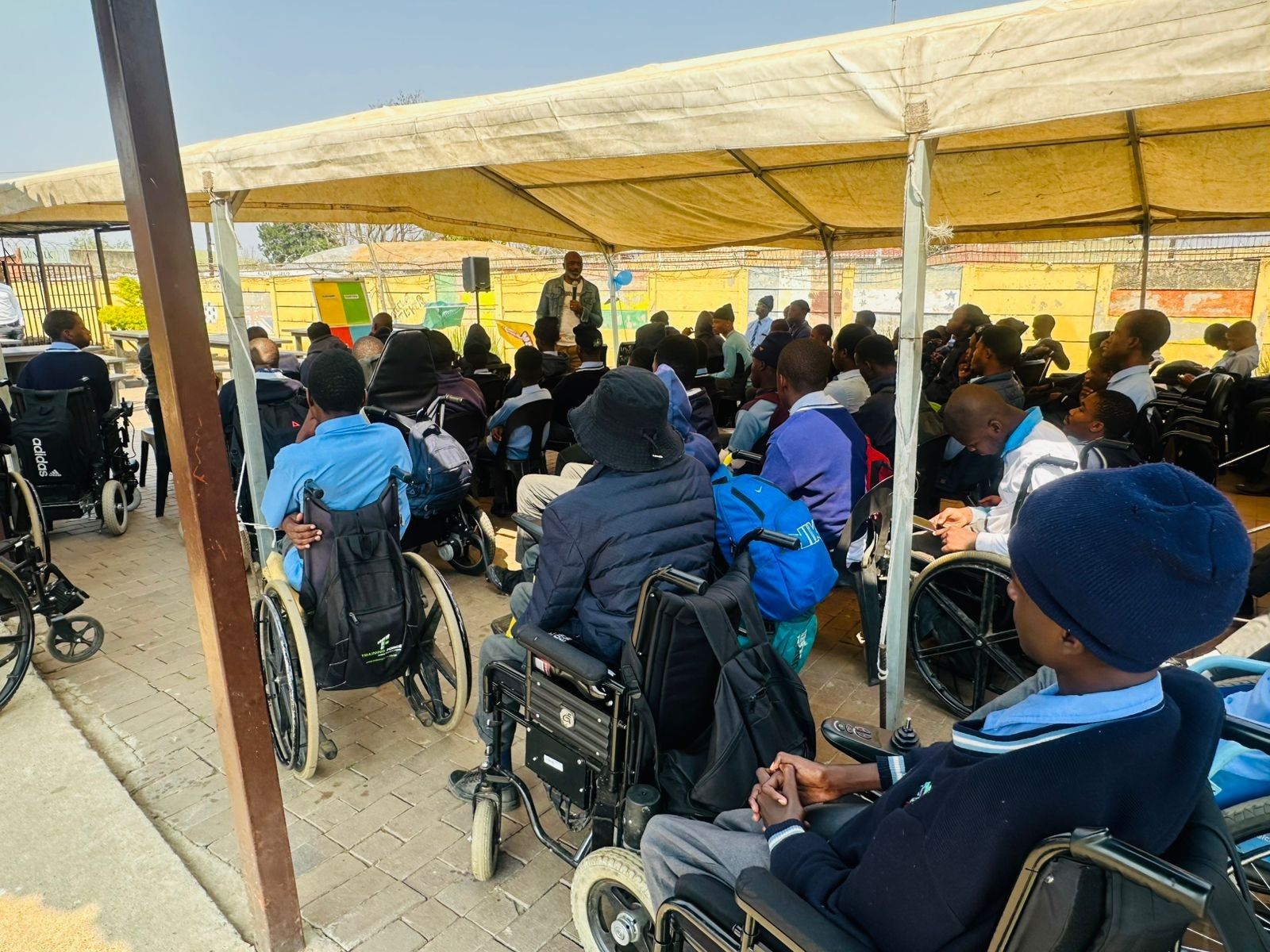
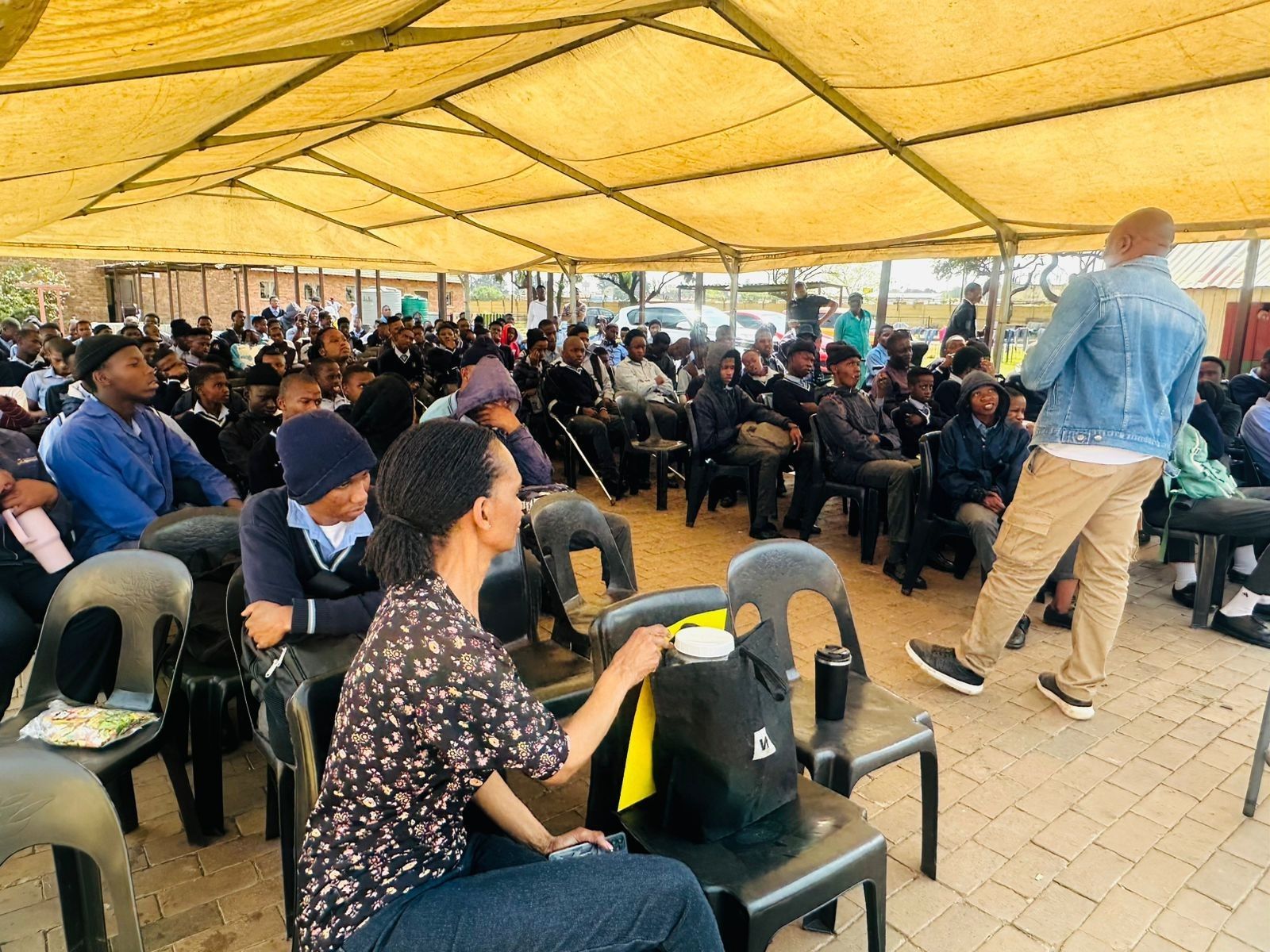
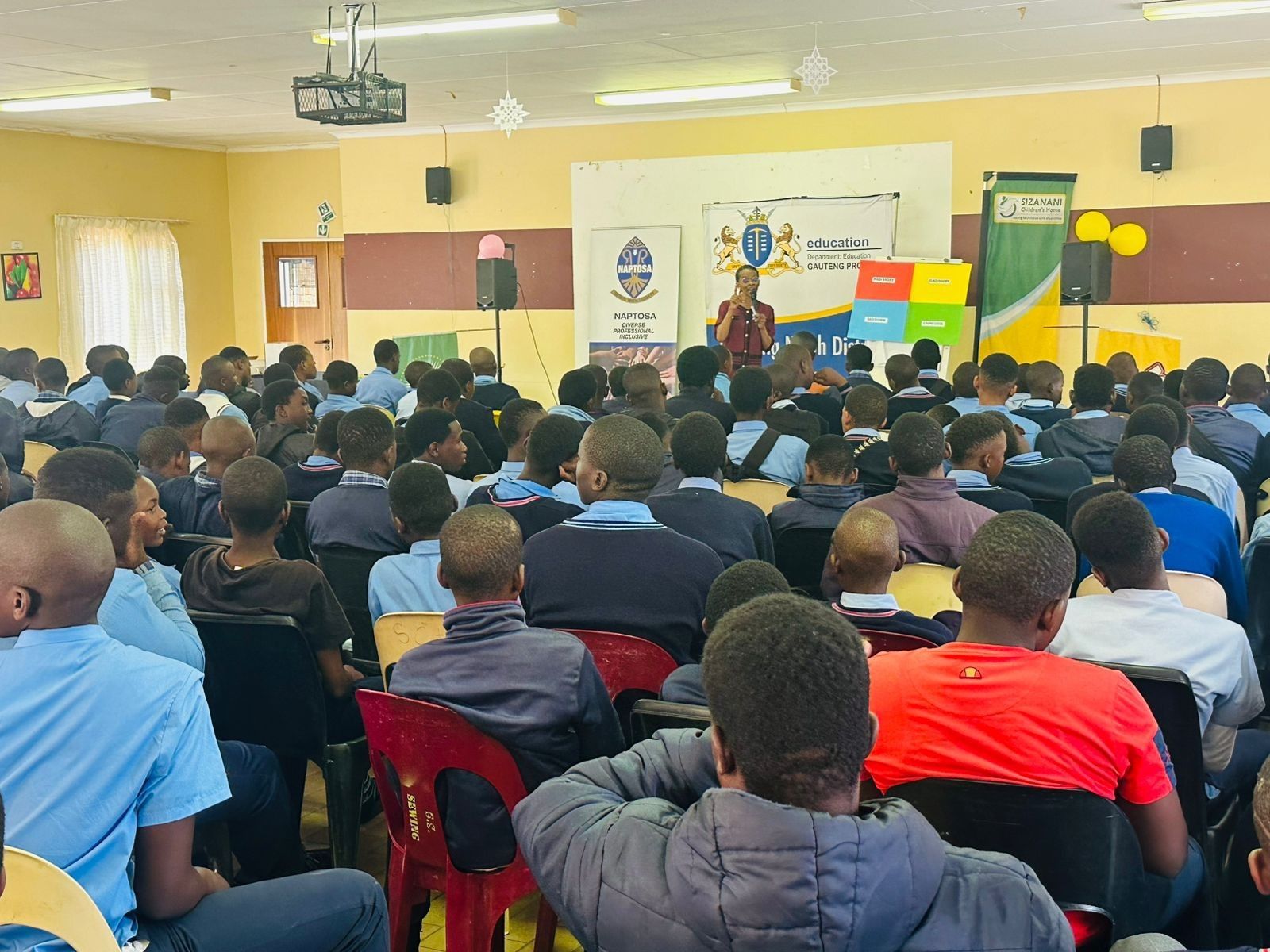
The Dignity Defenders Campaign continued to build powerful momentum. Following a transformative boy’s camp session in June 2025, the campaign entered its follow-up phase, which looked at a school rollout phase on 10 and 11 September, reaching two Special Education Needs schools, Sizanani Special School in Bronkhorstspruit and Adelaide Tambo School in Soweto.


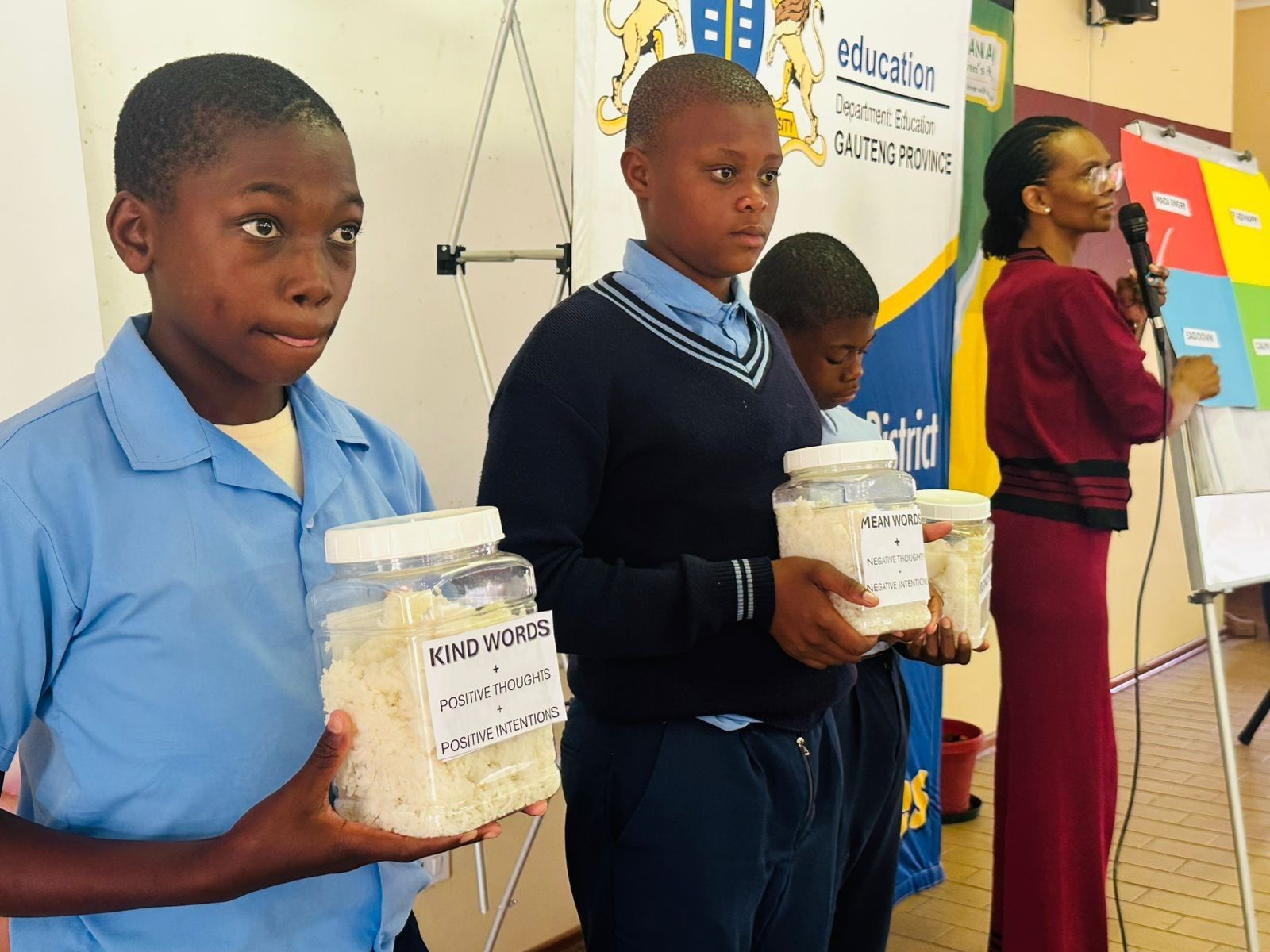
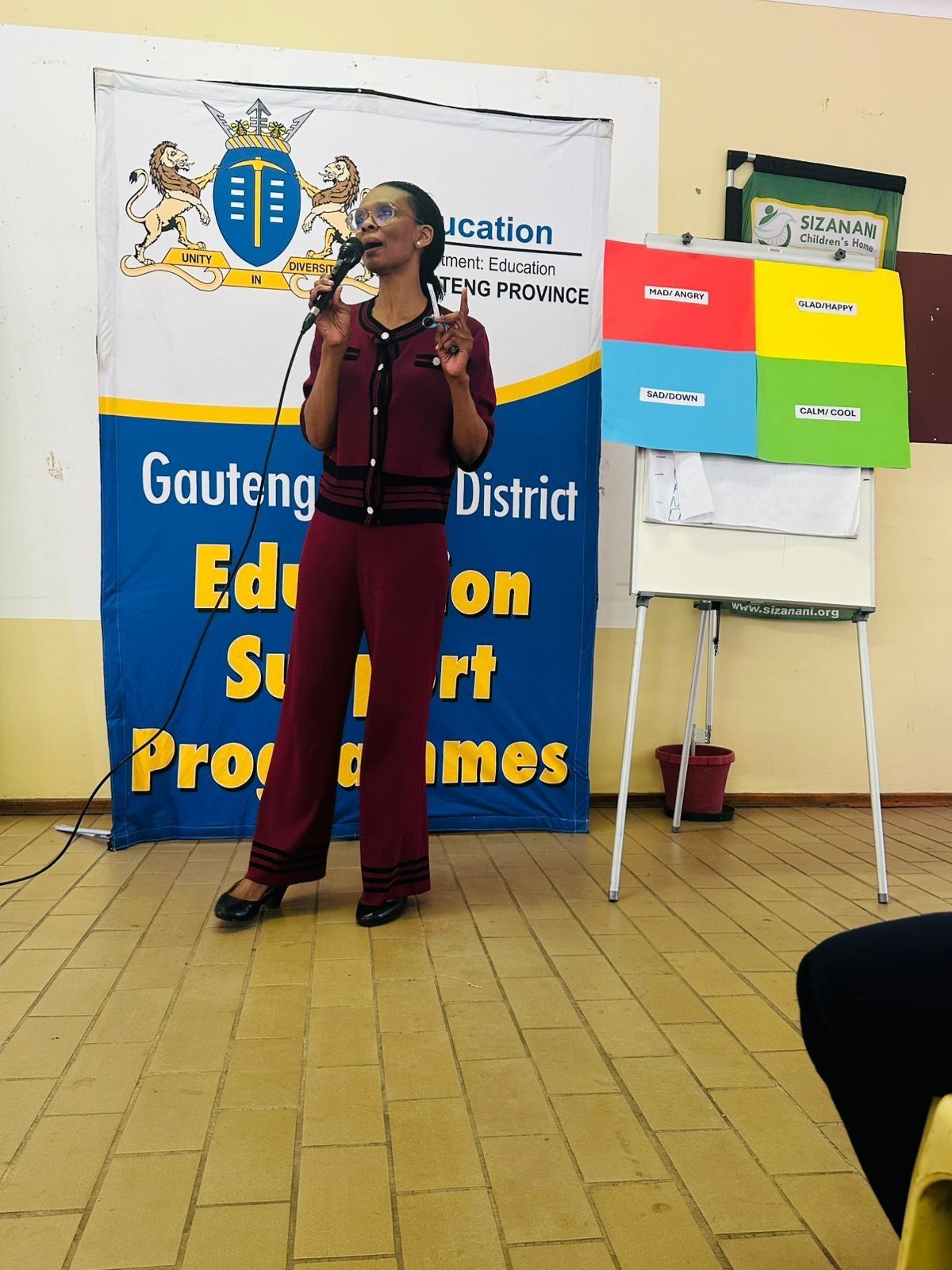
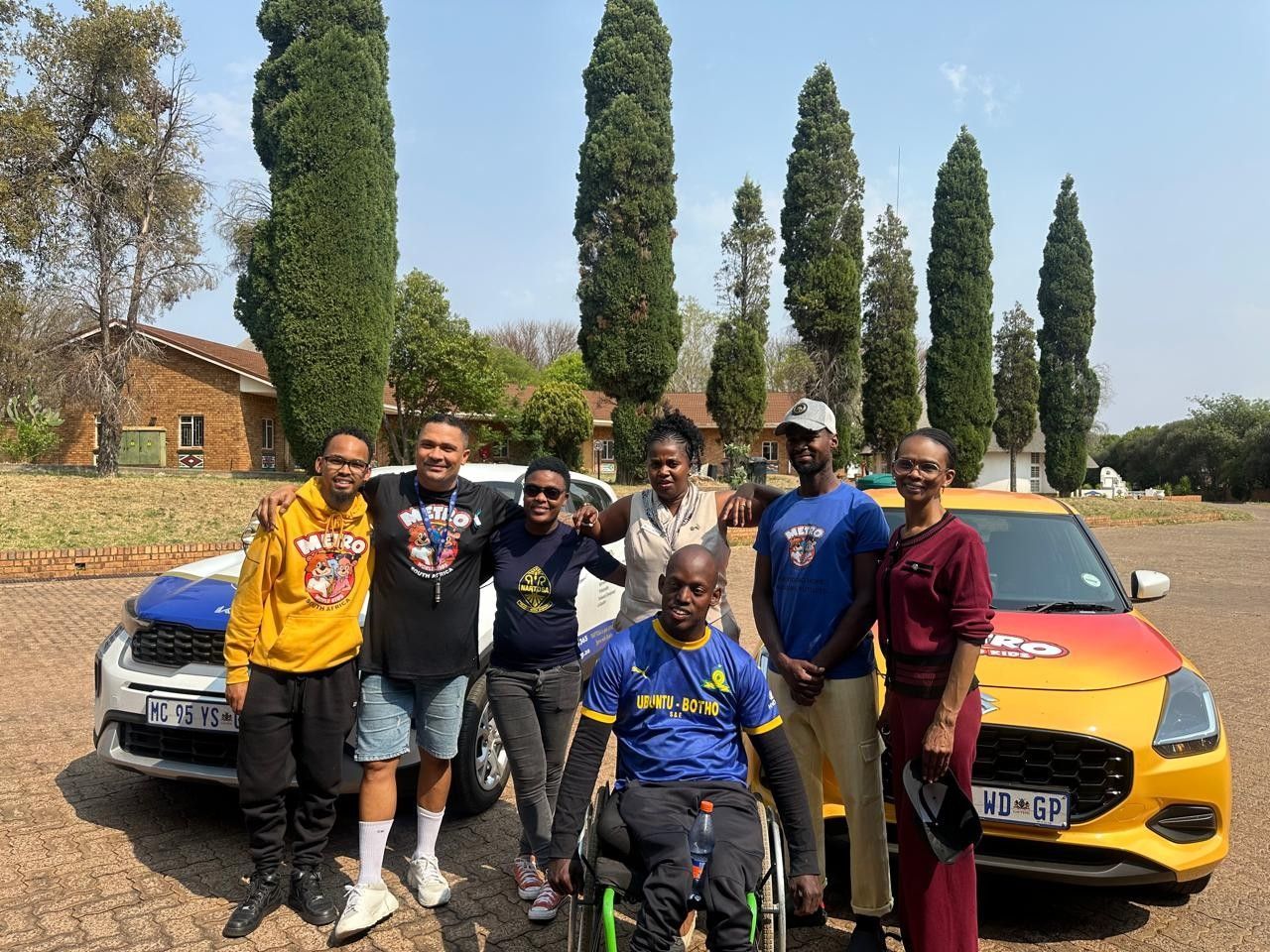
Over two afternoons, 347 boys with a mild intellectual disability (MID) and their male educators stepped into safe, affirming spaces where kindness, courage, and emotional intelligence were celebrated as everyday superpowers. These sessions were not just educational, they were deeply personal, emotionally intelligent, and value-driven. Coordinated by NAPTOSA in collaboration with the Gauteng Department of Education and facilitated by The Art of Wellbeing (TAOW), Metrokids Africa, and Tranquillity Rehab. Together, these partners delivered a programme that was structured, impactful, and deeply aligned with the national call to end gender-based violence.


Each session was thoughtfully tailored to meet the needs of learners with MID, ensuring that every boy could engage meaningfully and leave with tools they could truly use. The facilitation wasn’t just informative, it was transformative, leaving lasting impressions and sparking real shifts in self-awareness and behaviour.


These sessions didn’t just teach; they connected, resonated, and equipped. They gave boys language for their emotions, courage to challenge harmful norms, and practical ways to live out dignity every day.


Symbols of strength: dignity you can hold, kindness you can wear

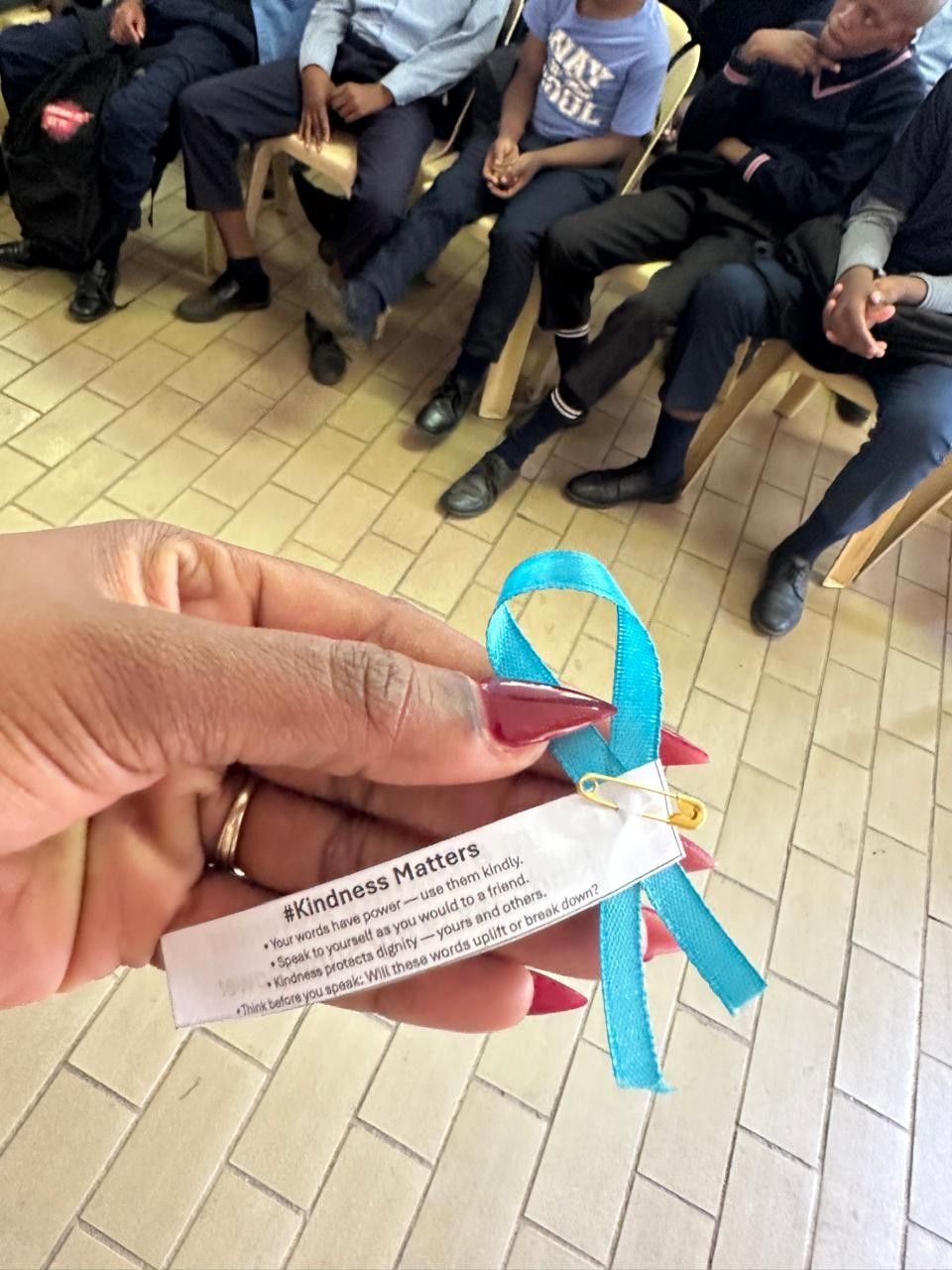
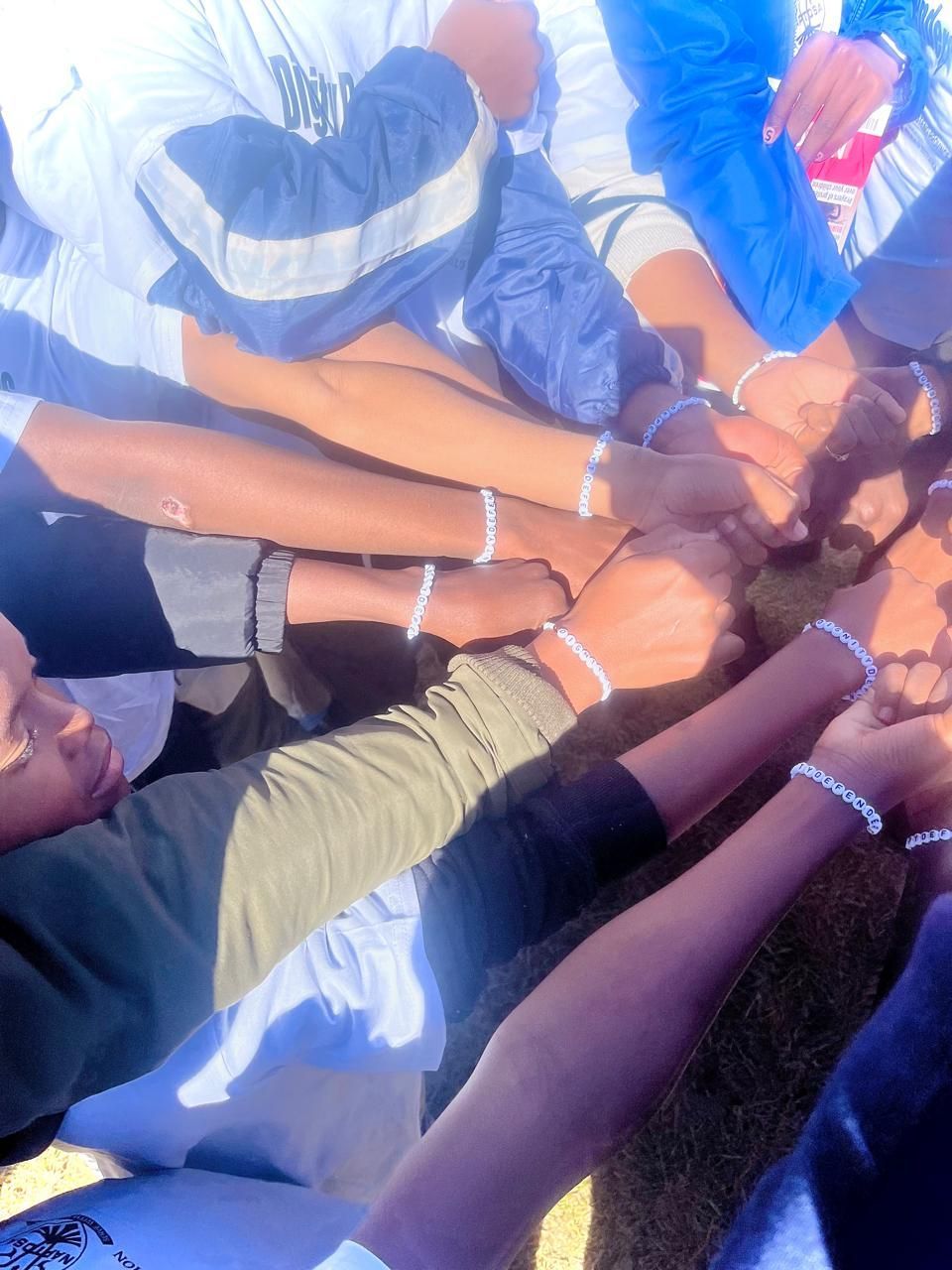
Every learner left the session with more than just ideas, they carried tangible reminders of their worth.

Learners were gifted a Dignity Defender ribbon, boldly printed with affirmations like ‘I Am a Dignity Defender’ and ‘Kindness is My Superpower.’ These ribbons weren’t just accessories, they were wearable pledges. They symbolised each boy’s commitment to speak with empathy, act with courage, and protect the dignity of others.

The ribbon became a badge of belonging and a visible reminder that dignity is not just a concept, it’s a choice lived out in words, actions, and how we treat ourselves and those around us.


Raising protectors: practical tools for real-world change

By the end of the sessions, each boy walked away with more than knowledge; they left with tools to live out dignity in daily life. Through emotionally intelligent facilitation, learners were empowered to:

  • Build self-respect through positive self-talk and kindness
  • Stand up to bullying and reject harmful masculinity
  • Make informed, healthy choices that protect their futures
  • Support one another as allies in safe, respectful school environments


These sessions reinforced a powerful truth: real strength is found in dignity, empathy, and responsibility. The boys were not just taught, they were transformed into defenders of what matters most.

This rollout marks a significant step forward in the Dignity Defenders journey, which began in 2024 and is already shaping the next generation of kindness-driven leaders. These boys now walk through their schools and communities as Dignity Defenders, carrying a message that dignity matters and every word counts. Together, we are building a future where no learner stands alone and dignity is defended by all.


While challenges remain, particularly sustaining the impact against peer pressure and expanding parental involvement, the programme has established a proven model for proactive GBV prevention. The Dignity Defenders movement has moved beyond a single workshop to become a sustainable, replicable strategy that is actively shaping the next generation of accountable, kind- driven leaders. We are committed to building upon this foundation, ensuring that the legacy of dignity and respect championed by The Steve Sinnott Foundation continues to grow across South African schools.


By Michelle Mosupye

Executive Officer National Professional Teachers Organisation of South Africa
  • Slide title

    Write your caption here
    Button
  • Slide title

    Write your caption here
    Button
  • Slide title

    Write your caption here
    Button
  • Slide title

    Write your caption here
    Button
  • Slide title

    Write your caption here
    Button
  • Slide title

    Write your caption here
    Button
  • Slide title

    Write your caption here
    Button
  • Slide title

    Write your caption here
    Button
  • Slide title

    Write your caption here
    Button
  • Slide title

    Write your caption here
    Button
  • Slide title

    Write your caption here
    Button
  • Slide title

    Write your caption here
    Button
  • Slide title

    Write your caption here
    Button
  • Slide title

    Write your caption here
    Button
  • Slide title

    Write your caption here
    Button
  • Slide title

    Write your caption here
    Button
  • Slide title

    Write your caption here
    Button
  • Slide title

    Write your caption here
    Button
  • Slide title

    Write your caption here
    Button
  • Slide title

    Write your caption here
    Button
  • Slide title

    Write your caption here
    Button
  • Slide title

    Write your caption here
    Button
  • Slide title

    Write your caption here
    Button
  • Slide title

    Write your caption here
    Button
Michelle Mosupye • January 22, 2026
By Dr. Mugwena Maluleke January 21, 2026
As a teacher and union leader in South Africa, I have worked with thousands of students and teachers. Now, through Education International, I hear stories from teachers all around the world. There are a few fundamental facts about education that hold true in every classroom, in every community, and in every country. Education is relational, not transactional. Education is an enabling right that supports the fulfilment of all human rights. There are so many examples that illustrate this. Take for instance Aloyo Stella Oryang from South Sudan working in the Palabek Refugee Settlement in Uganda. Although she teaches two hundred students, although her salary is only one hundred and twenty USD per month, although she could leave for better paying jobs, she is committed to stay. She explains why, ‘Teaching is the most important thing I’ve done in my life, to be there for the children, to teach them, to reassure them that one day everything will be fine.’ Stella somehow makes time to also support her female students to build their confidence and, in her words, ‘To let them know their future holds so much more than what they went through’. Stella is not alone. In a small public school on the island of Boracay in the Philippines, teachers spend their own time and resources building a garden with endangered plants to teach their students about climate change and conservation. In Palestine, as a genocide unfolds before our eyes, hundreds of women teachers attend the training provided by their union in order to enhance their socio-emotional skills so that they can better support their students through this life-changing trauma. While the present is horrific, they are not giving up on the future. Teachers in Ukraine also hold on to hope for a peaceful future. Online, in metro stations or in bomb shelters, they continue to work to keep students learning and positive. In the United States, amid the wave of abusive detentions and deportations, teachers and their unions are organising, mobilising, and advocating for immigrant families. It’s no surprise that an education workforce that is ready to protect students from school shootings is now rising to defend them from ICE raids. My recent visit to Chile for the World Summit on Teachers proved this yet again. I was so inspired to hear how my Chilean colleagues made it their mission to ensure students never forget what their country endured under dictatorship. For the memory of those who suffered for truth, justice, and democracy, teachers in Chile, and across Latin America, educate each new generation. Education is vital to all our collective goals, and it must become a priority. Fifty million more teachers are desperately needed if we are to achieve SDG 4 by 2030. We know what to do. The United Nations recommendations on the teaching profession provide the blueprint for attracting and retaining the teachers we need. The recommendations call for competitive salaries, manageable workloads and class sizes, professional autonomy, quality professional development, safe working conditions, and strong social dialogue. The Santiago Consensus adopted at the World Summit on Teachers takes us one step closer to SDG4 and provides a framework for policy alignment and sustained investment in teachers. The Santiago Consensus is the first international agreement to recognise the teacher-student relationship as a common heritage of humanity. In a time of rapid technological growth and misplaced promises, it reaffirms that education is a deeply human and relational act. Upholding this relationship as a global human right protects the essence of education, not just as a means to acquire knowledge, but as a path to dignity, transformation, and the transmission of collective wisdom across generations. In a small public school on the island of Boracay in the Philippines, teachers spend their own time and resources building a garden with endangered plants to teach their students about climate change and conservation. In Palestine, as a genocide unfolds before our eyes, hundreds of women teachers attend the training provided by their union in order to enhance their socio-emotional skills so that they can better support their students through this life-changing trauma. While the present is horrific, they are not giving up on the future. Teachers in Ukraine also hold on to hope for a peaceful future. Online, in metro stations or in bomb shelters, they continue to work to keep students learning and positive. In the United States, amid the wave of abusive detentions and deportations, teachers and their unions are organising, mobilising, and advocating for immigrant families. It’s no surprise that an education workforce that is ready to protect students from school shootings is now rising to defend them from ICE raids. My recent visit to Chile for the World Summit on Teachers proved this yet again. I was so inspired to hear how my Chilean colleagues made it their mission to ensure students never forget what their country endured under dictatorship. For the memory of those who suffered for truth, justice, and democracy, teachers in Chile, and across Latin America, educate each new generation. Education is vital to all our collective goals, and it must become a priority. Fifty million more teachers are desperately needed if we are to achieve SDG 4 by 2030. We know what to do. The United Nations recommendations on the teaching profession provide the blueprint for attracting and retaining the teachers we need. The recommendations call for competitive salaries, manageable workloads and class sizes, professional autonomy, quality professional development, safe working conditions, and strong social dialogue. The Santiago Consensus adopted at the World Summit on Teachers takes us one step closer to SDG4 and provides a framework for policy alignment and sustained investment in teachers. The Santiago Consensus is the first international agreement to recognise the teacher-student relationship as a common heritage of humanity. In a time of rapid technological growth and misplaced promises, it reaffirms that education is a deeply human and relational act. Upholding this relationship as a global human right protects the essence of education, not just as a means to acquire knowledge, but as a path to dignity, transformation, and the transmission of collective wisdom across generations. By Dr. Mugwena Maluleke Teacher, Unionist, Social justice activist and President of Education International.
By Philip Talemwa January 20, 2026
In the heart of Uganda’s refugee settlements, where overcrowded classrooms and limited resources make the teacher–student ratio very low, positive changes are unfolding. Teacher Learning Circles (TLCs) are empowering teachers, bridging the teacher shortage gap, and nurturing inclusive, quality education for all. In these small, collaborative groups, qualified teachers and volunteers regularly meet to reflect on their teaching practices, share lesson planning strategies, discuss classroom management challenges, and learn from each other’s experiences. Although schools require fully qualified and trained teachers, recent aid cuts have forced many teachers to abandon the profession due to reduced or no pay. This has led to finding alternative support, such as absorbing community volunteers in schools, to ensure continuity of learning. TLCs provide practical mentorship from experienced peers, bridging the skills and knowledge gap. Teacher Learning Circles have improved not only teaching, but also the relationships between students and communities. Teachers feel valued and supported and they handle conflict in a calm way that contributes to peaceful coexistence. These values are passed on to the learners and eventually their families and communities. Whether trained or volunteering, TLCs have provided a space to grow, connect, and lead. By joining or starting a Teacher Learning Circle, schools have become part of a movement that brings hope, healing, and quality education to children of all backgrounds. ‘We are professionals from different fields sharing knowledge freely. This has diversified my teaching methods and improved how I relate to students,’ said Amayo Hillary, who teaches at the Bidi Bidi refugee settlement, Yumbe District. TLCs directly support the achievement of SDGs in the following ways: SDG4: Quality Education They improve teaching quality, promote inclusive practices, and strengthen teacher retention, ensuring every child receives equitable and effective education. SDG 3: Good Health and Well-being Teachers trained in TLCs report better stress management and psychosocial support skills, which benefits both educators and learners. SDG 5: Gender Equality TLCs promote gender-sensitive teaching and empower female teachers, contributing to safer and more inclusive learning environments. In the Teacher Learning Circle, collaboration turns shared challenges into shared victories. BY Philip Talemwa Transformative Education Coordinator and Project Lead Danida Strategic Partnership II, Oxfam Uganda.
By Janice Mullan January 19, 2026
Janice Mullan, President of the Ulster Teachers’ Union 2025-2026, Literacy Lead Teacher in an EOTAS (Education Other Than At School Centre) supporting students who find it impossible to sustain their mainstream placement due to severe anxiety, diagnosed mental health issues or just not feeling good enough. In the quiet classrooms and creative spaces of EOTAS centres, some of the most transformative work in education is taking place, not just in literacy and numeracy, but in relationships, resilience and hope. My class sizes are smaller than most, and for my pupils who have been excluded, disengaged or whose circumstances make mainstream schooling unbearable, our centre is a vital second chance at whose heart lies the spirit of Sustainable Development Goal 4: ‘Ensure inclusive and equitable quality education and promote lifelong learning opportunities for all’. Education should reach every learner, whatever their background, challenge or story. I tell every student that their story is their ‘superpower’; they are here, inspiring everyone around them. All arrive in my classroom carrying emotional trauma or fractured family relationships or experiences of bullying and social isolation. All feel that, academically, life is over for them and that they will never be able to attend college or get a job; how sad is that at just fifteen years old? And so, relationship education, rooted in emotional literacy, is a central pillar to my teaching, as is the positive relationship which is necessary if the student is to not only survive, but thrive. Confidence in spelling, grammar and vocabulary increase, as if by magic, with growth in self-esteem and a sense of belonging. At the moment in Northern Ireland, we are reviewing assessment. I hope the aspirations of SDG 4 do form part of this. The psychological and emotional needs of our students must be addressed by teaching them to question and thus understand their feelings and thereby, themselves, in order to allow them to develop and carve out a sustainable future for themselves. For these students, education is not just inclusive, it’s truly transformative. The ideal of inclusion is practised daily by advocating and modelling empathy, sensitivity, belief and compassion. When a young person with severe anxiety finds the courage to walk into a class again, when they begin to smile, trust and offer their ideas and opinions, that is progress of the highest kind. One of the most successful learning activities was an integration programme with a small group of 15 to 16 year-old pupils from a neighbouring special school. These pupils had moderate learning difficulties, and we met once a week for an indoor games session, usually football or hockey. Even the most cynical and battle-scarred teenagers' emotional defences were broken down when they came into contact with pupils who were non-judgemental about designer clothes or iPhones. All pupils enjoyed learning and teaching how to dribble a ball and score a goal. This was true inclusion, built on sensitivity, empathy and fun interaction. Like all teachers in EOTAS, we work miracles, but we need resources to effectively meet the needs of young people experiencing emotional distress and anxiety; we need counselling, therapeutic support and specialist staff on site. Mental health support must not be seen as an optional extra, but as central to education for all. Education must be seen as teaching students to mature into caring, capable and connected individuals who value themselves and those around them. Assessment and data capture must acknowledge and value this. Teaching unions will continue to lobby those in power that inclusion is not just a theory, but a valuable, daily practice which travels far beyond its humble beginnings in the classroom. by Janice Mullan, President of the Ulster Teachers’ Union 2025-2026