Our educational system - Amadou

AMADOU DARBOE, TAHIR AHMADIYYA SENIOR SECONDARY SCHOOL, THE GAMBIA

Education is one of the greatest tools which can be used by an individual to change the living situation.


Unfortunately, most people, especially children, do not have this opportunity. The question is who can provide such opportunities to those who are disadvantaged? Poverty, religious and traditional beliefs contribute immensely to the denial of the right to education for children.


One of the greatest obstacles to education in The Gambia is poverty. Many families in The Gambia cannot afford to pay for their children’s education, including school fees, uniforms, and books. As a result, many children drop out of school, or never enrol in the first place.


Poverty also means that families are often forced to prioritise other basic needs, such as food and shelter, over education. This can perpetuate the cycle of poverty, as education is one of the most effective ways to break out of poverty.


Another hindrance to education in The Gambia is religious beliefs. As the greater number of Gambians are Muslim, some parents decide to take their children to the local Islamic centres which are mostly poorly managed.


Some children are denied the right to education which is a fundamental right for them. Traditionally, most people believe that girls’ education is not important, and as such they are either denied enrolment in school or withdrawn from school.


Despite efforts that are made to promote girls’ education, the gap remains. Child marriage for instance, has led to many girls being denied the right to education especially in provincial Gambia. This continues to pose an actual threat to the wellbeing of girls’ development as well as women’s empowerment. There is dire need for proactive steps to be taken to address this issue.


There are no proper mechanisms put in place for the differently abled. The structures in schools are not conductive for the wellbeing and inclusion of the differently abled. Therefore, this is structural discrimination against them. Even the way classrooms are built is not in line with good approaches.


In conclusion, the challenges facing The Gambia’s education sector are significant, urgent action is needed to address them, especially in the rural areas.


It is crucial that all stakeholders, including the government, private sector, and civil society, work together to ensure that very child has access to quality education. Only then can The Gambia build a brighter and more prosperous future for all its citizens.
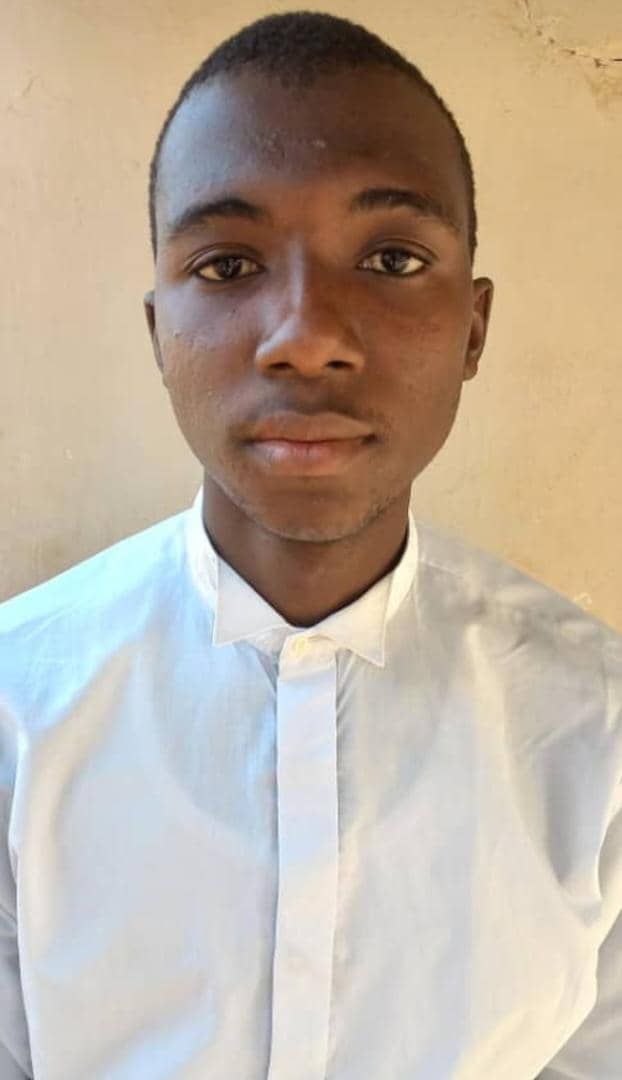

AMADOU DARBOE • September 18, 2023
By Kaylem James February 3, 2026
In my time as an assistant at The Steve Sinnott Foundation (SSF), one of my research tasks was looking into how the Foundation contributed to the achievement of the Sustainable Development Goals (SDGs). I really believe in the work of the Foundation and I have also been raising funds as I believe that every child must have the right to education. SSF is a UK-based educational charity focused on promoting quality education worldwide. It plays a supportive role in achieving the United Nations 17 Sustainable Development Goals (SDGs), especially Goal 4: (Quality Education), but its work contributes to several others as well. Here's how the Foundation supports the SDGs: Goal 4 – Quality education (core focus) The Foundation's main mission is to ensure inclusive and equitable quality education and promote lifelong learning opportunities for all. It supports teachers and educational initiatives in developing countries. It runs programmes like: The Education for All Campaign – advocating for universal access to education. Teacher empowerment projects – providing training and resources to educators in under-resourced countries. Girls' education programmes – encouraging and supporting girls to stay in school and complete their education. Goal 3 – Good health and well-being Through education, particularly health-related programmes, the Foundation contributes to raising awareness about hygiene, nutrition, and mental health. The Foundation has developed a range of webinars to promote health and wellbeing and these can be found on YouTube. Goal 5 – Gender equality The Foundation promotes girls' education, directly addressing barriers that prevent girls from accessing and completing school. It advocates for the rights of women and girls, especially in patriarchal or disadvantaged societies. Goal 8 – Decent work and economic growth By improving access to education and vocational training, the Foundation helps create employment opportunities. Educated individuals have better chances of securing decent work. Goal 10 – Reduced inequalities It supports marginalised groups, including children in rural or conflict-affected areas, contributing to reducing global inequalities in education. Goal 16 – Peace, justice and strong institutions Promotes education as a force for peace and conflict resolution. Supports democratic participation and awareness through educational programmes that foster community engagement. Goal 17 – Partnerships for the goals Collaborates with NGOs, unions, schools, and governments to deliver and advocate for education projects. Builds international partnerships to achieve the SDGs through education. Summary While The Steve Sinnott Foundation's primary focus is on Goal 4, it contributes to many of the SDGs by empowering communities through education, particularly: Gender equality (Goal 5), Health (Goal 3), Economic growth (Goal 8), Reducing inequality (Goal 10), Peace (Goal 16), and Partnerships (Goal 17).  The Foundation’s programmes also contribute to the achievement of other SDGs through the power of the provision of education and life-long learning; 1. No Poverty, 2. Zero Hunger, 13. Climate Action. We believe that all of the 17 SDGs are only achievable by ensuring that all children, wherever they are born, deserve the human right of quality education. Over 250 million children are still out of school and the global out-of-school population has reduced by only 1% in nearly ten years, according to the UNESCO Global Education Monitoring Report 2024. There is still much work to do in achieving equitable and quality Education for All.
By Hannah Wilson February 2, 2026
As the founding Headteacher of two start-up schools in Oxfordshire, one primary and one secondary, we spent a lot of time thinking about our new schools’ vision, mission and values. We were deeply committed to becoming values-based educational settings. We also did a lot of work on our global citizenship curriculum which formally brought together all of the loose threads in what Dr Neil Hawkes calls the ‘inner curriculum’. Working towards UNICEF’s Rights Respecting School Award to demonstrate our intentional teaching of the UN’s SDGs was a fundamental part of our commitment to our school communities. When I left headship to move #DiverseEd from being a grassroots community to iterating into Diverse Educators, a Diversity, Equity, Inclusion and Belonging (DEIB) training and consultancy organisation, I thought once again about how our work supported the education system in working towards the SDGs and we outlined them here: www.thebelongingeffect.co.uk/the-sustainable-development-goals Five years on, we have just gone through a re-brand, and we are now called the Belonging Effect. For me the strategic intention we take towards developing consciousness, confidence and competence in DEIB must be actionable and must have impact. So our renewed mission is ‘shaping intention into impact’
By Helen Porter January 30, 2026
Summer of 2025, I volunteered in Lusaka, Zambia with Mission Direct to improve educational facilities for school children and staff. These nursery school children live in very basic and small homes in the Kaunda Square Compound. They are currently being educated in overcrowded classrooms with very little space for play and movement. The new school building will allow more children to benefit from an enriching nursery education and ensure that they are ready to learn when they start their formal schooling at the age of six. It will also enable more mothers to work and contribute to their families’ income. The children were very happy to meet us and performed a wonderful song with actions to thank us. Witnessing the challenges of these families living in poverty led me to reflect on the Sustainable Development Goals (SDGs) that finding a route out of poverty (SDG1) often starts with a quality education (SDG4). Educating children to become literate, numerate and confident, responsible young people allows them to obtain secure employment with fair pay and to have the prospect of rewarding careers, leading to economic growth (SDG8). Of course education is about so much more than preparation for future employment. An educated person is better prepared to maintain the health and well-being of their family (SDG3) and ensure that nourishing food is provided everyday (SDG2). We are disappointed and saddened to learn that some of the world’s wealthiest nations are slashing their overseas development budgets. This makes the work of NGOs even more vital as they strive to reduce inequalities (SDGs 5 and 10) to ensure that all children benefit from a quality education.