Teachers Advance in Guidance and Counselling Training in The Gambia

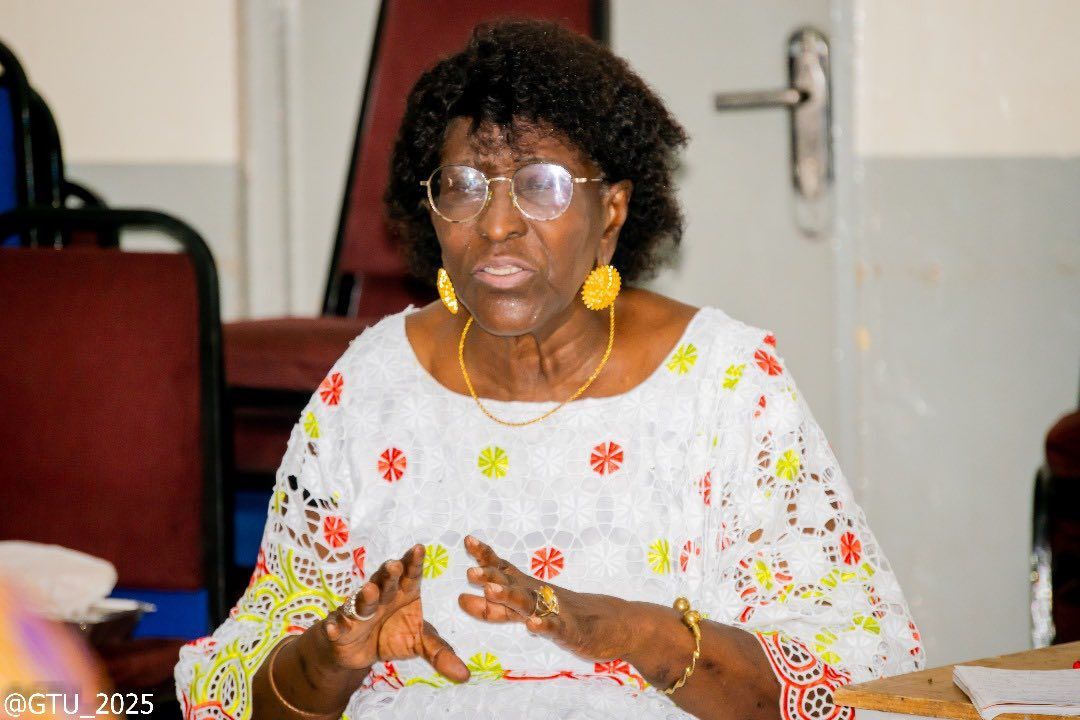
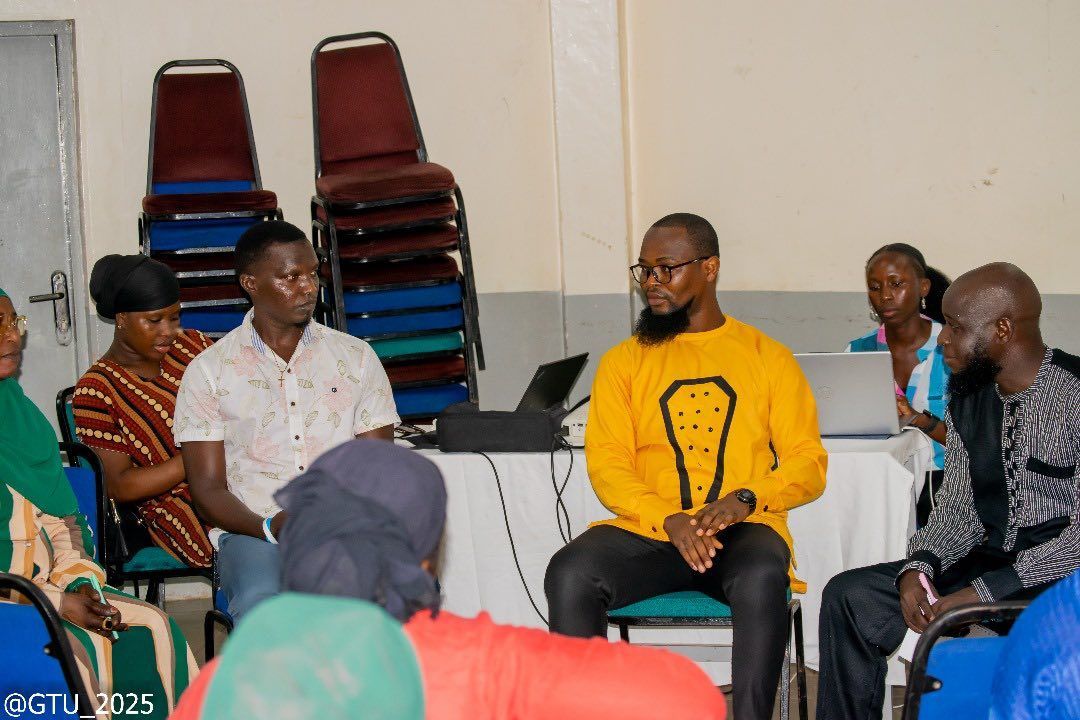
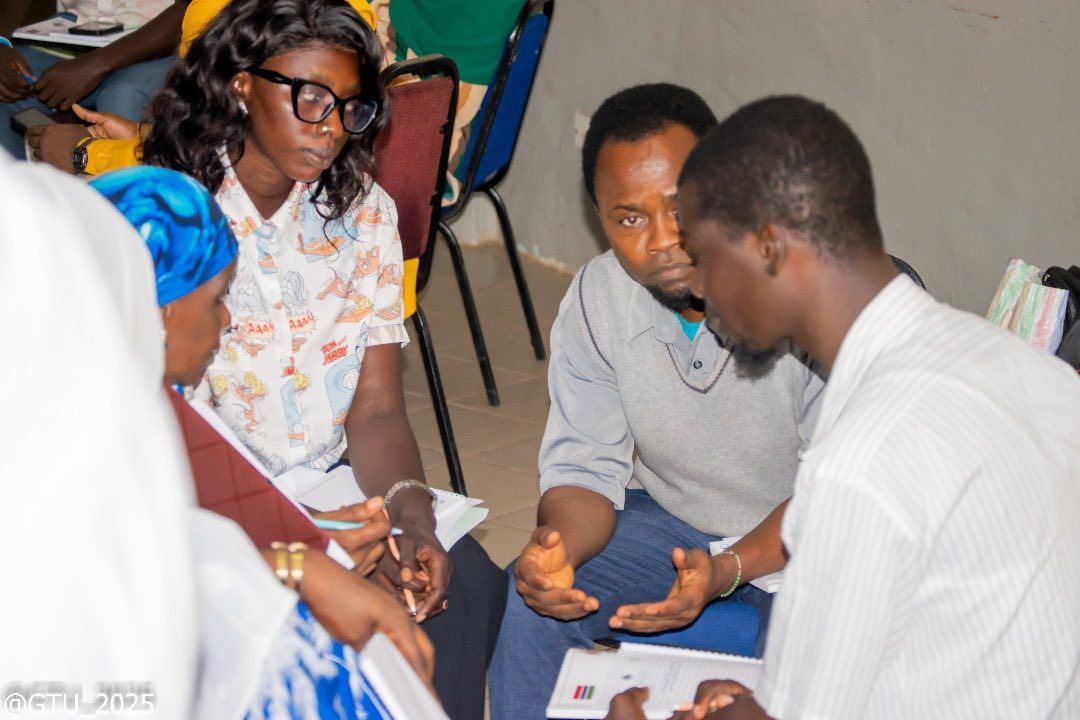
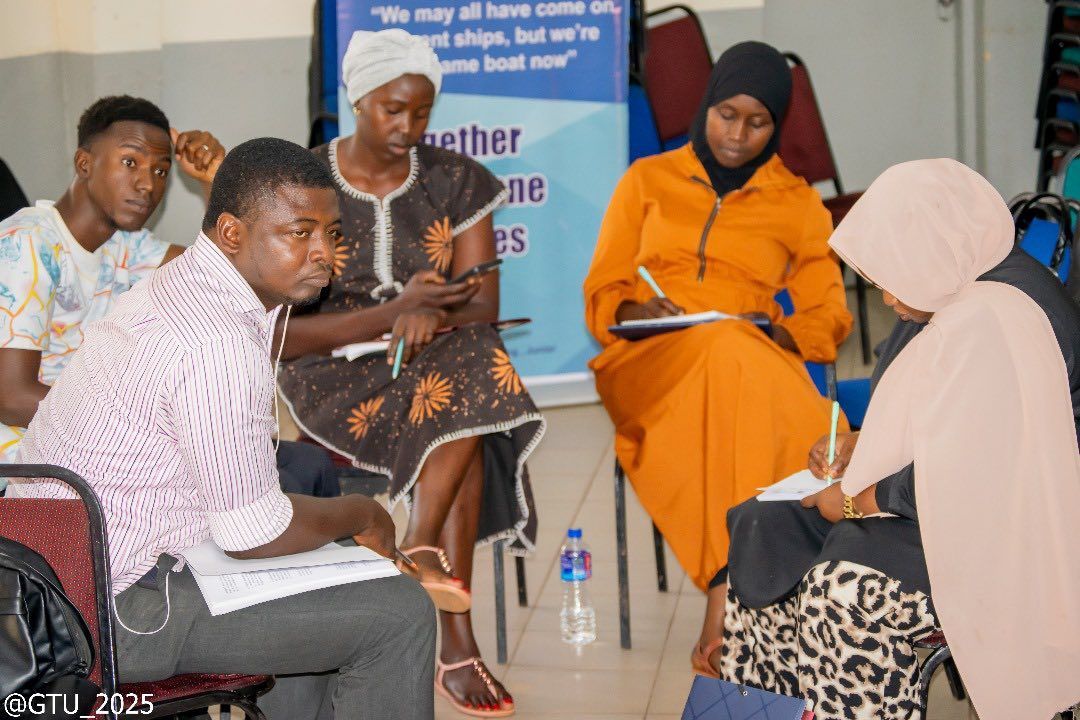
The journey to strengthen the well-being and success of learners in The Gambia continues with a renewed commitment to guidance and counselling in schools. In August 2025, we have successfully trained 140 educators across Regions 1, 2, 3 & 4 under our Guidance & Counselling Programme; a programme designed to equip educators with the skills to support students’ academic, social, and emotional development.


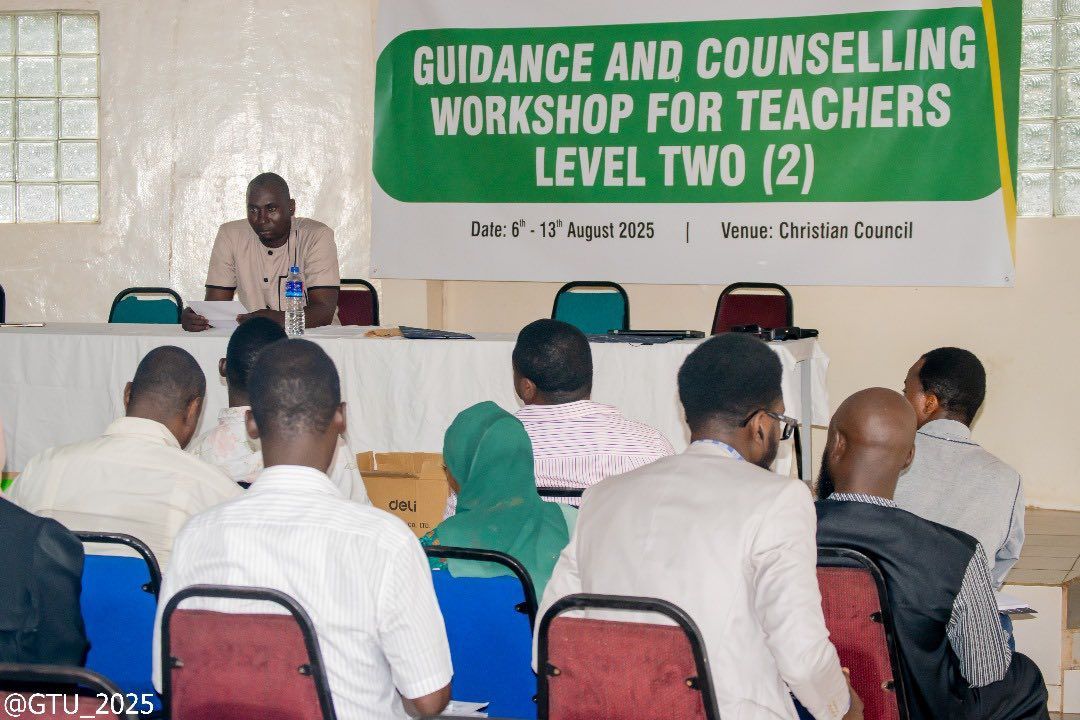
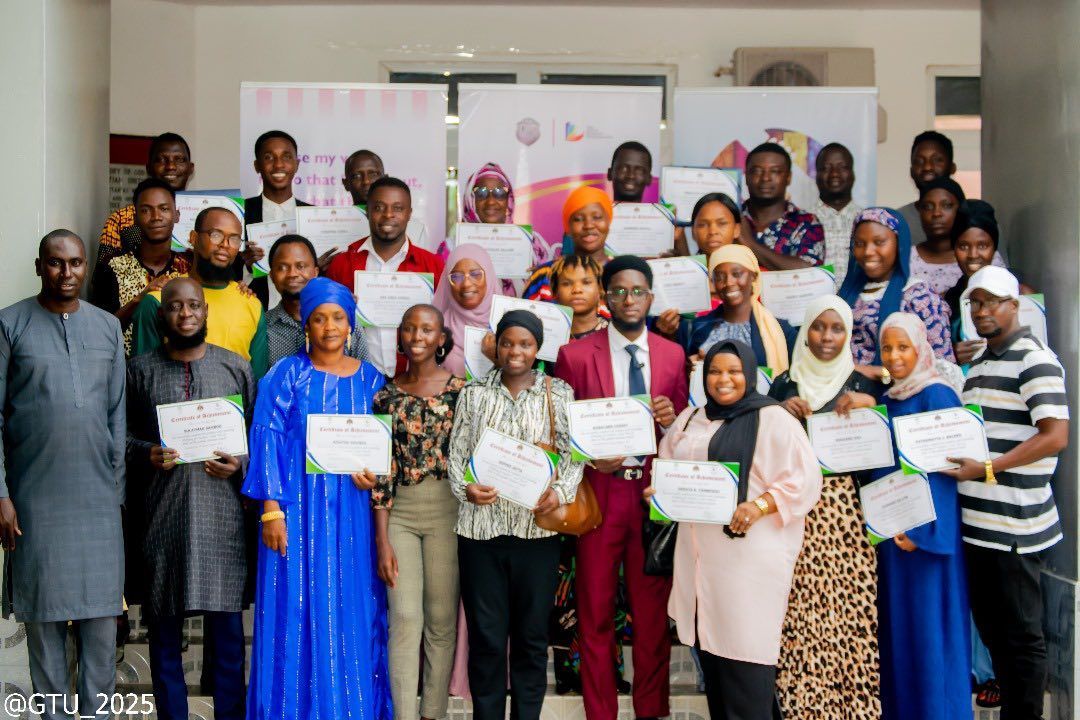
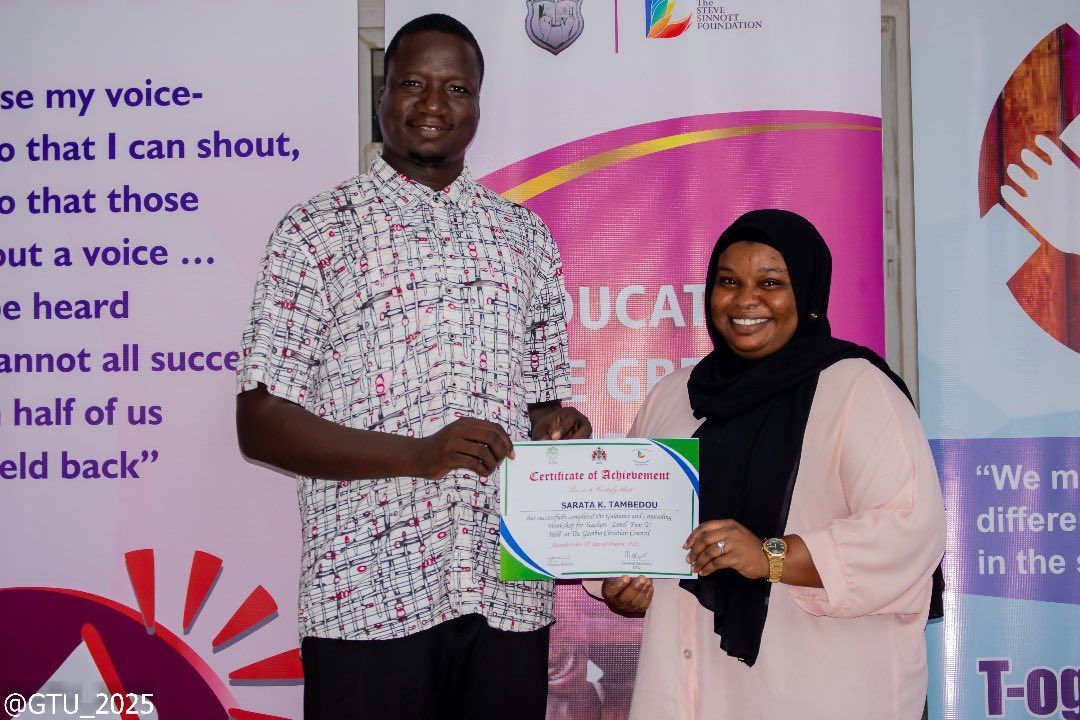
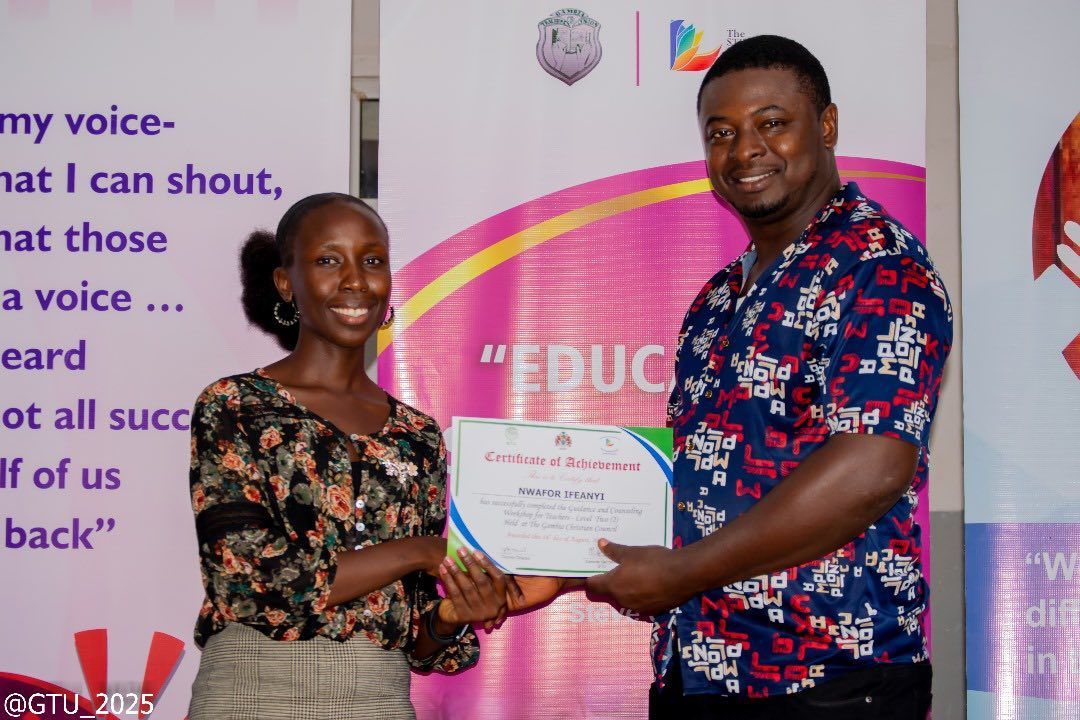
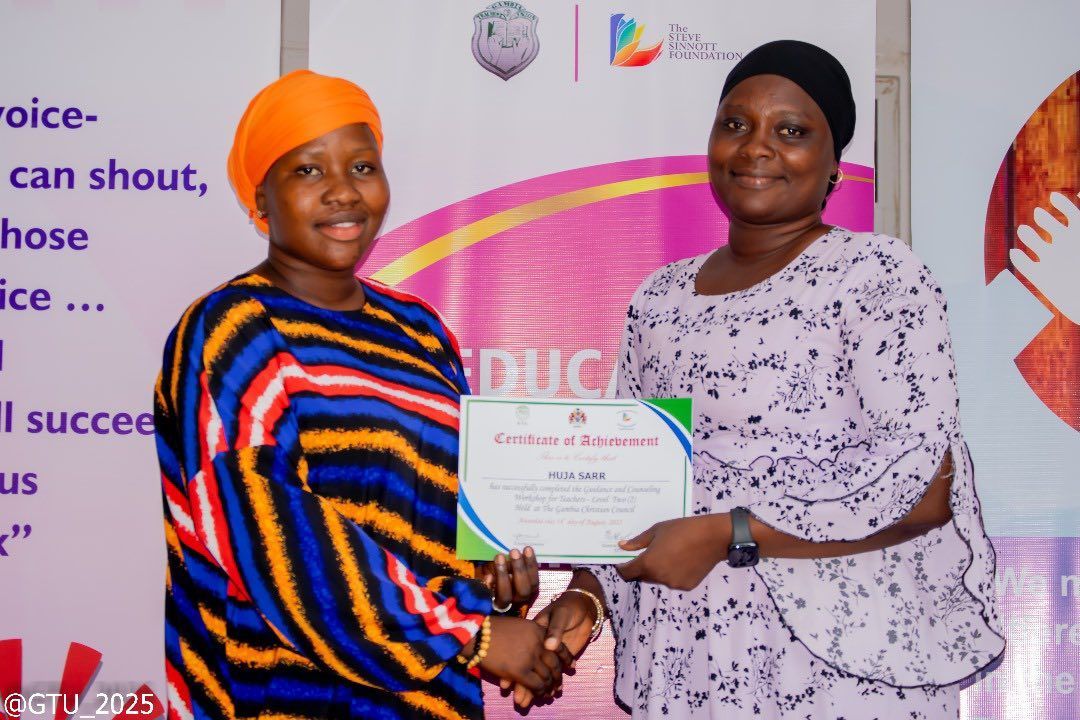
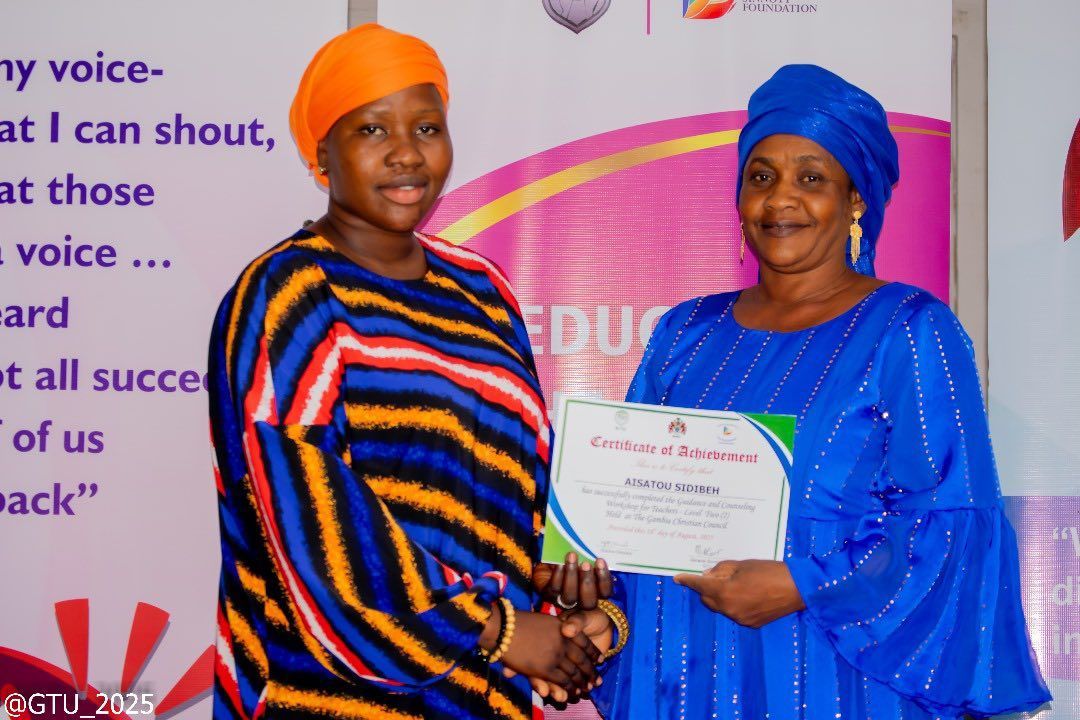
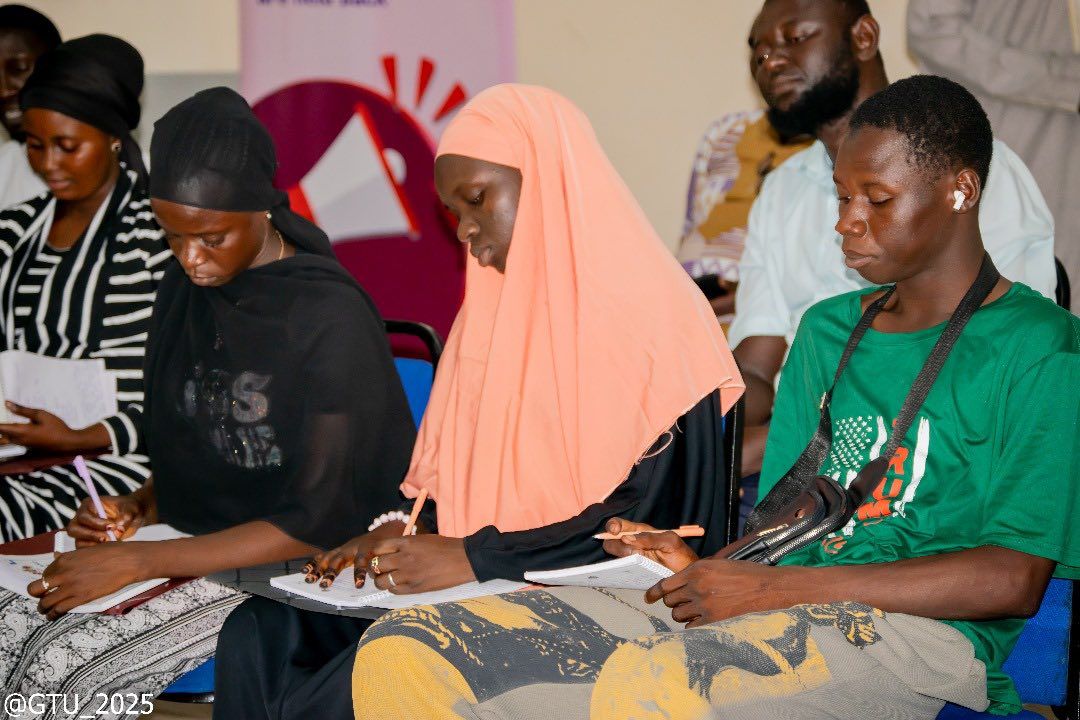
Region 3: teachers complete level 2 training

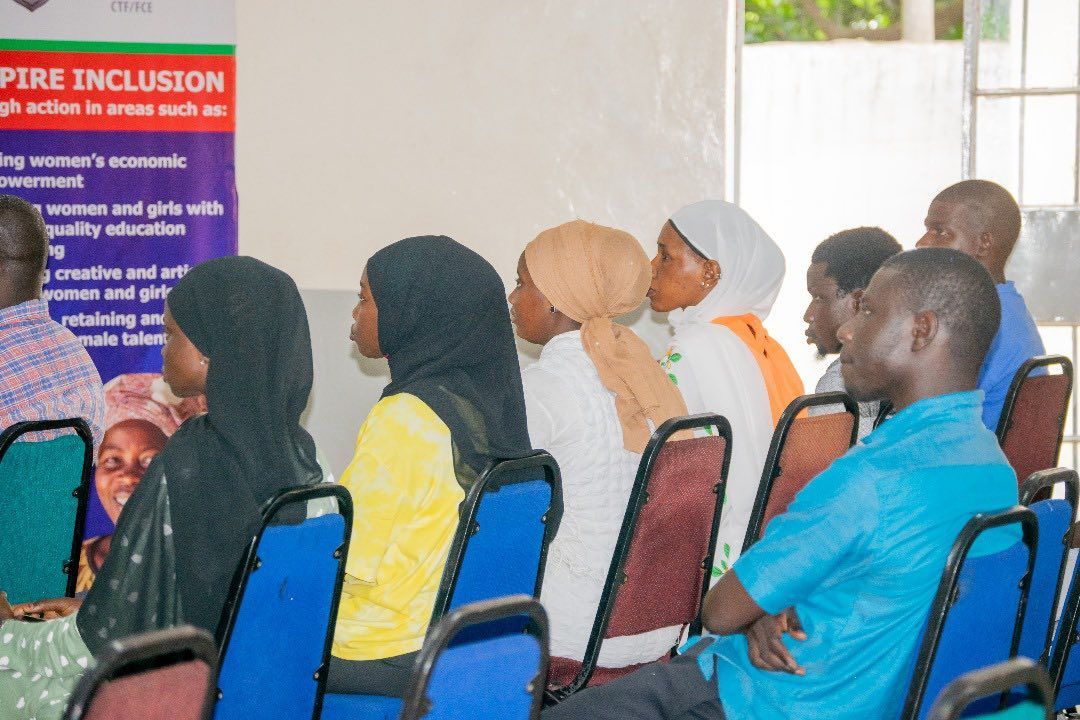
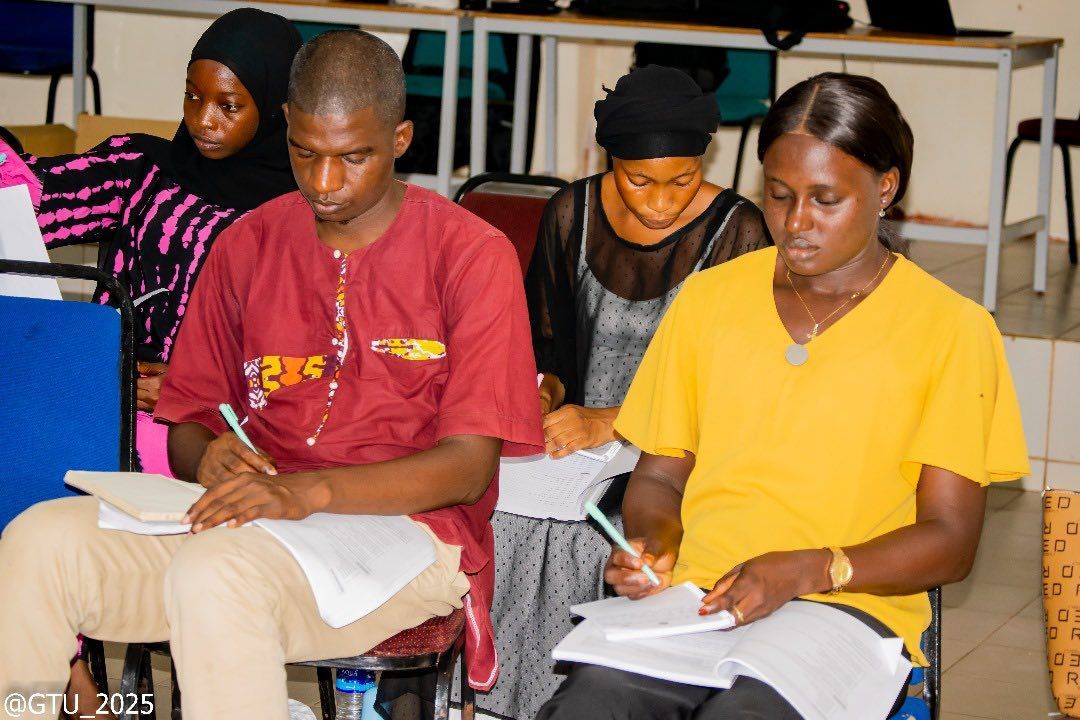
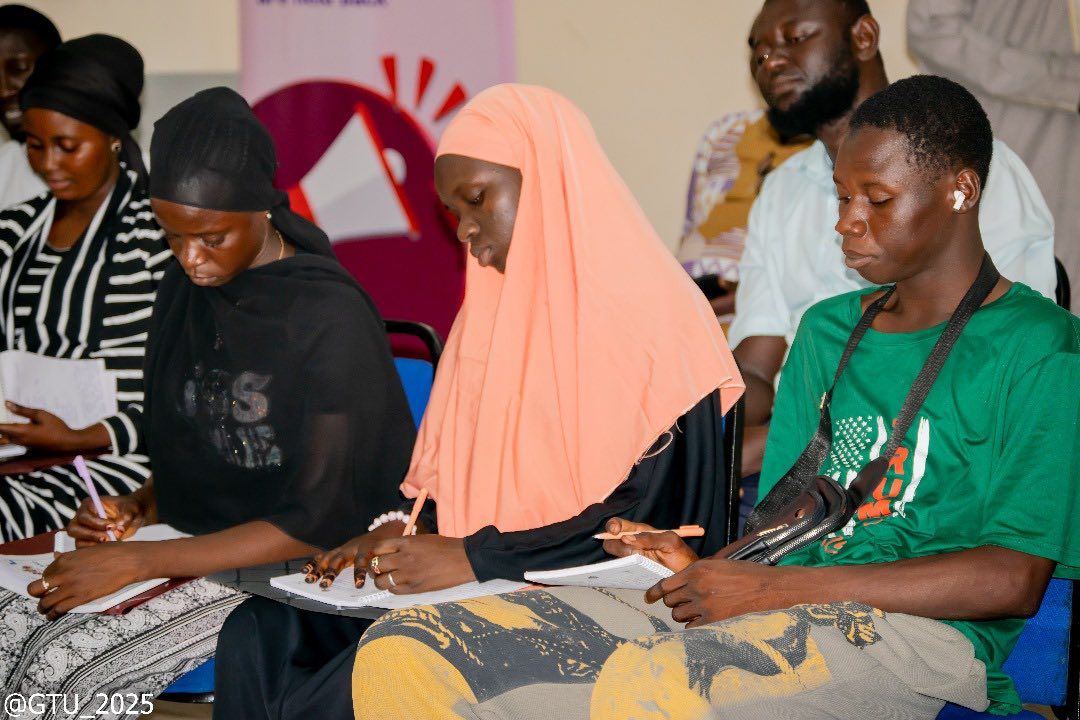
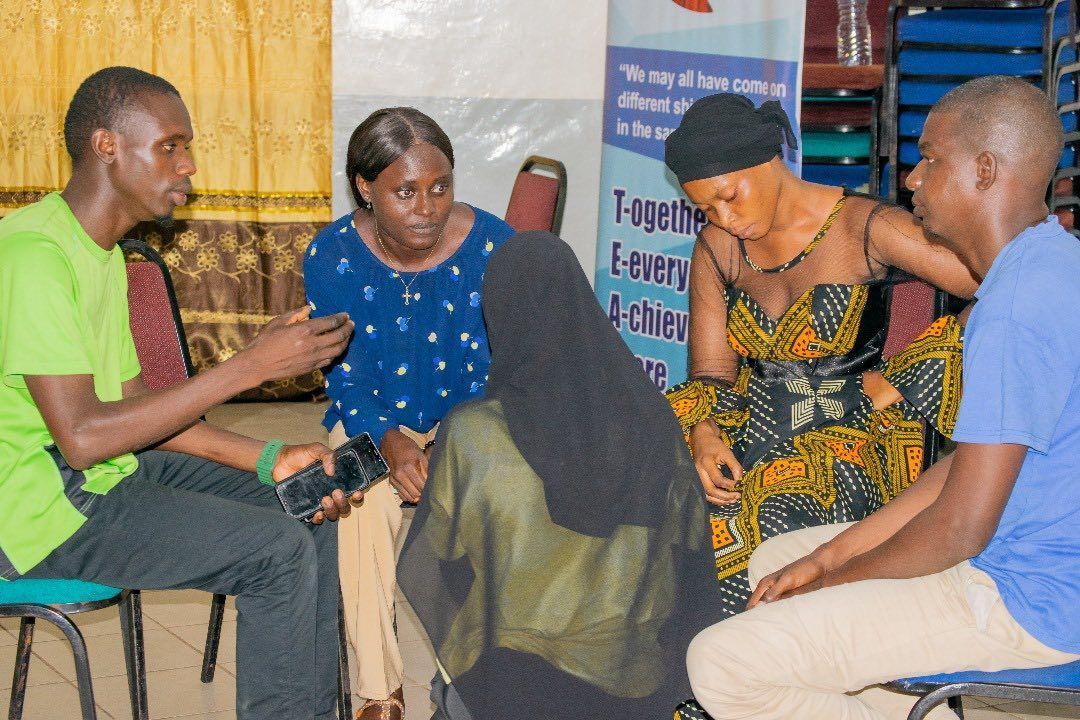
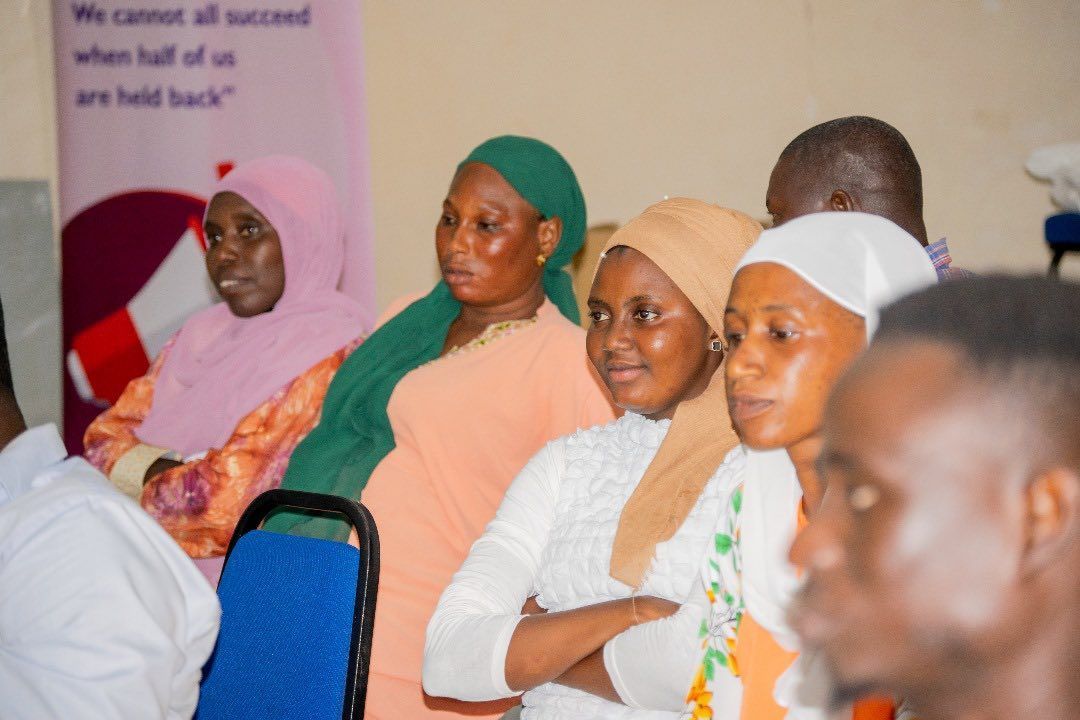
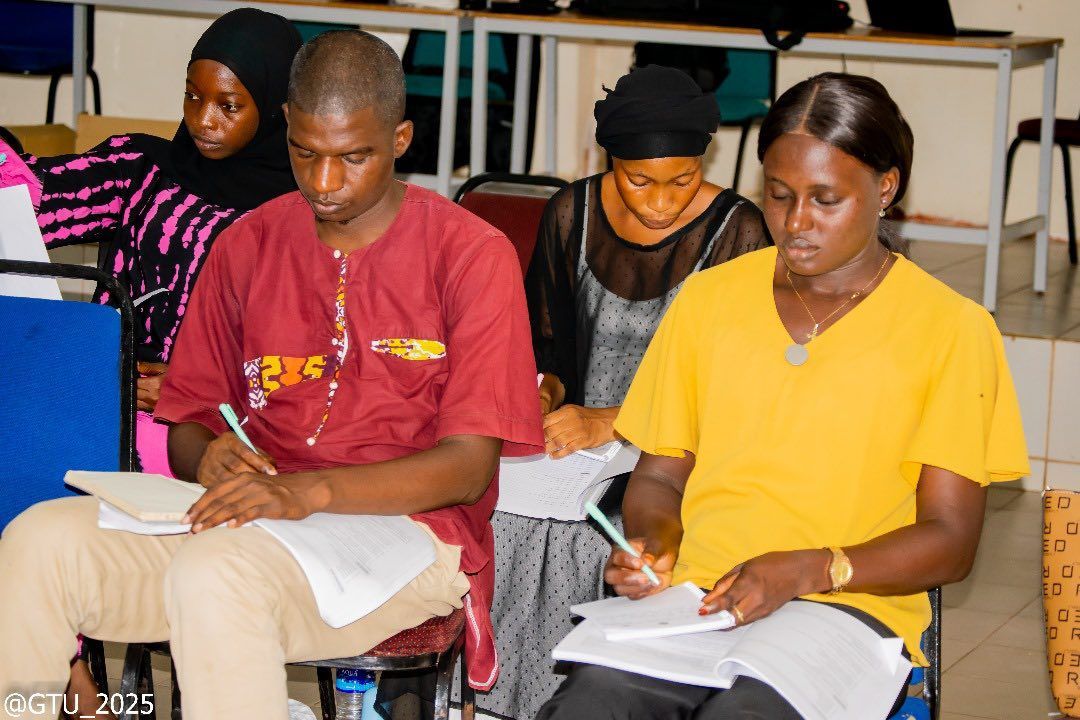
On 6 August, 30 teachers from Region 3 (North Bank Region) began a three-day Level 2 Guidance and Counselling training at the Christian Council in Kanifing. This programme built on their earlier Level 1 training in Farafenni, with a focus on deepening their capacity to serve as school-based counsellors.

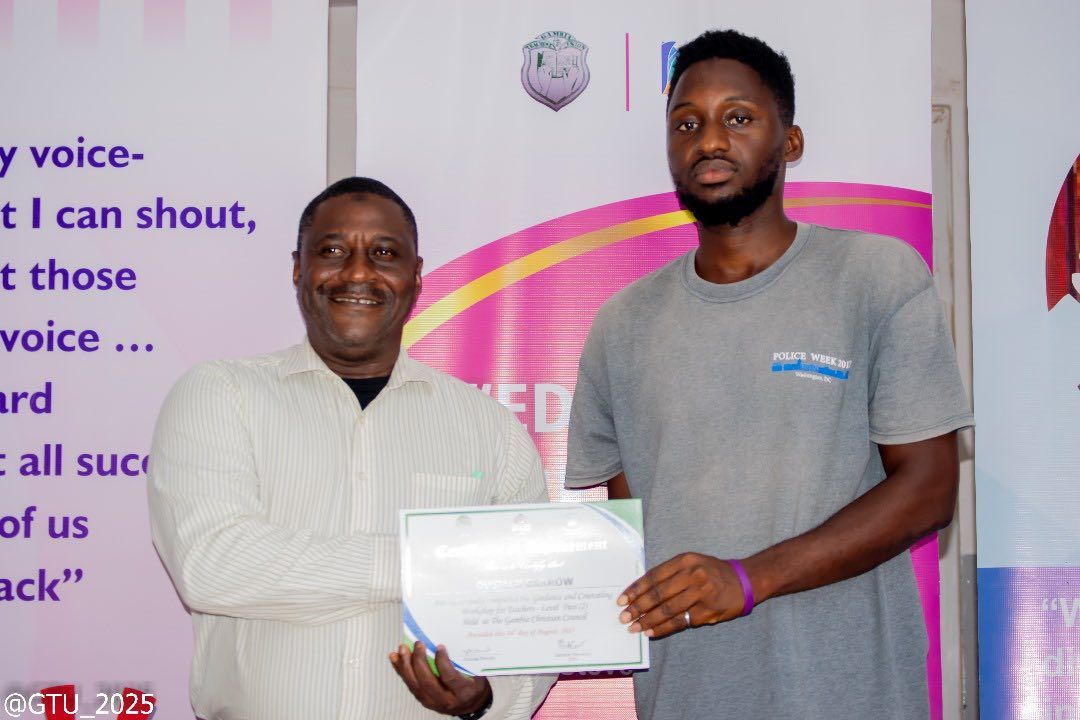
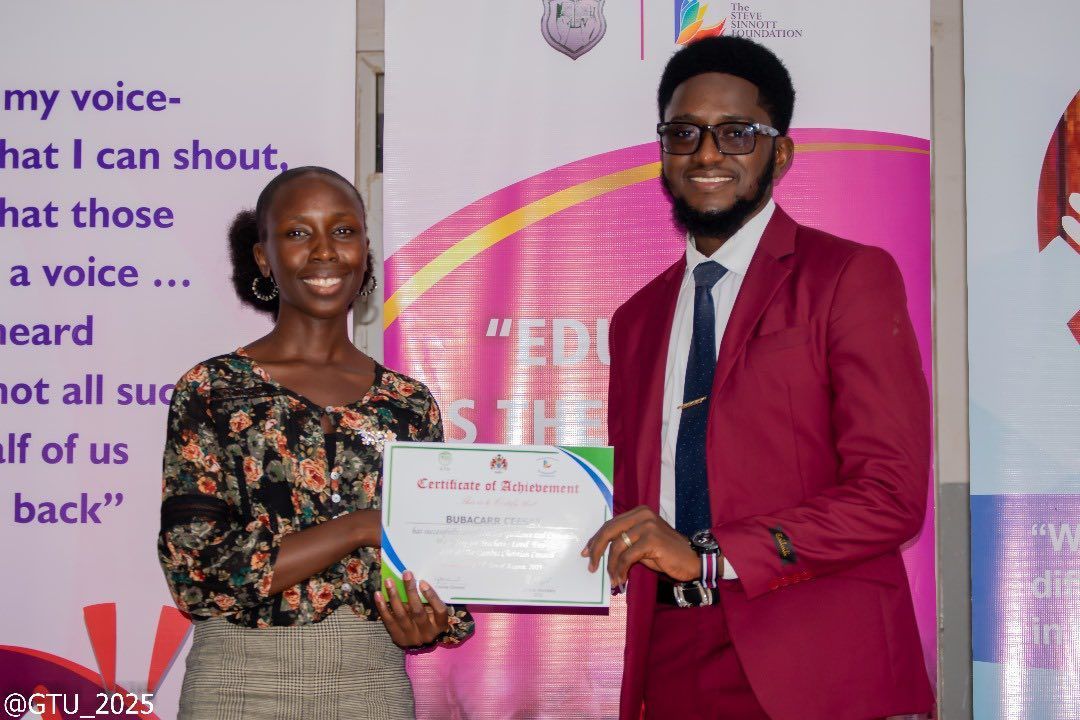
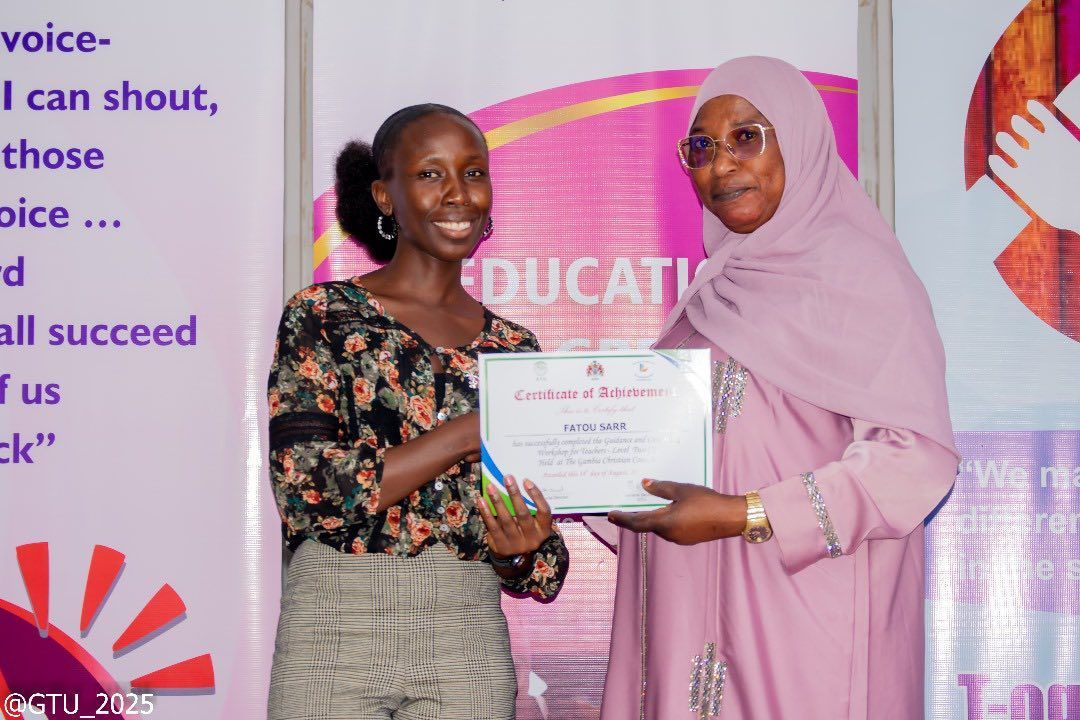
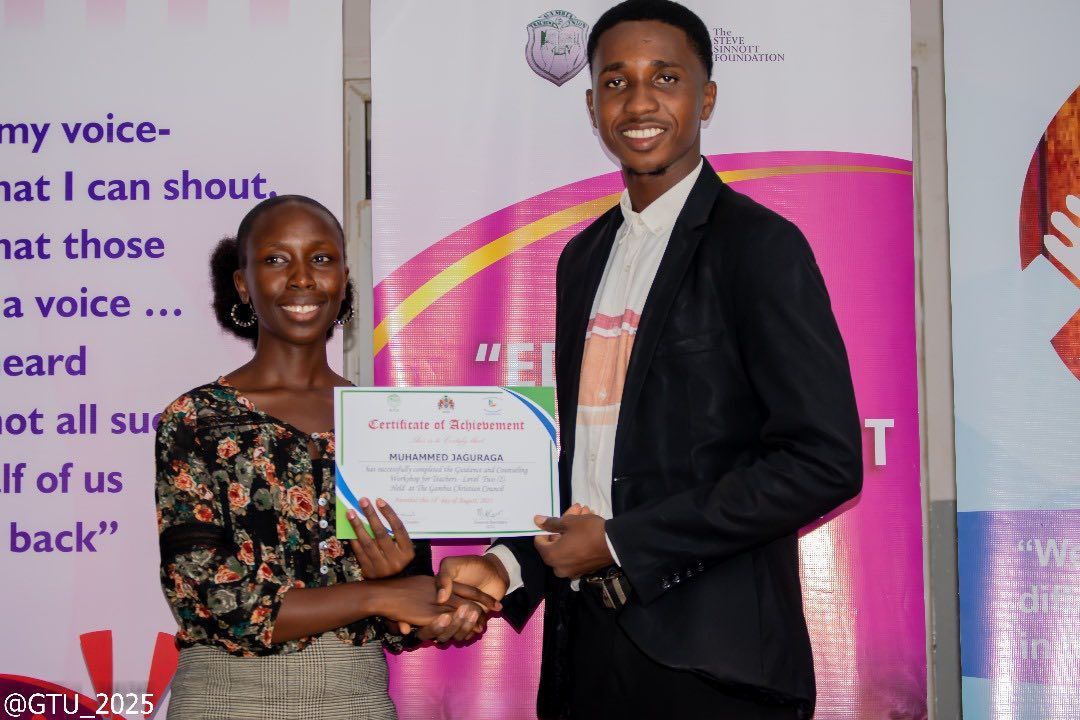
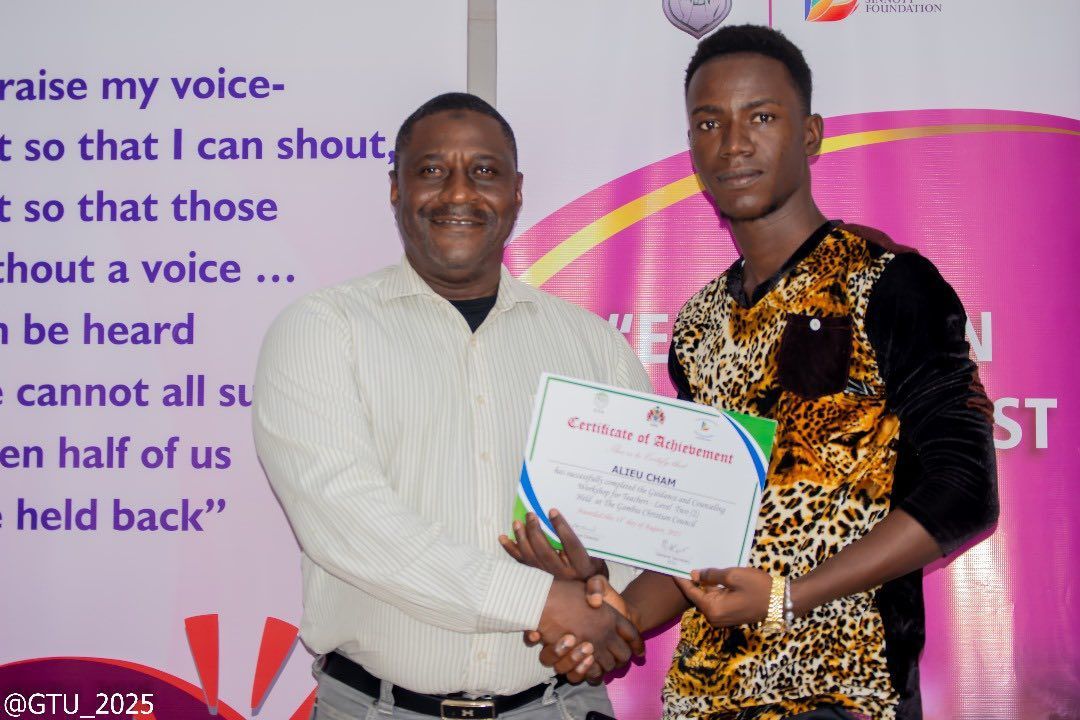
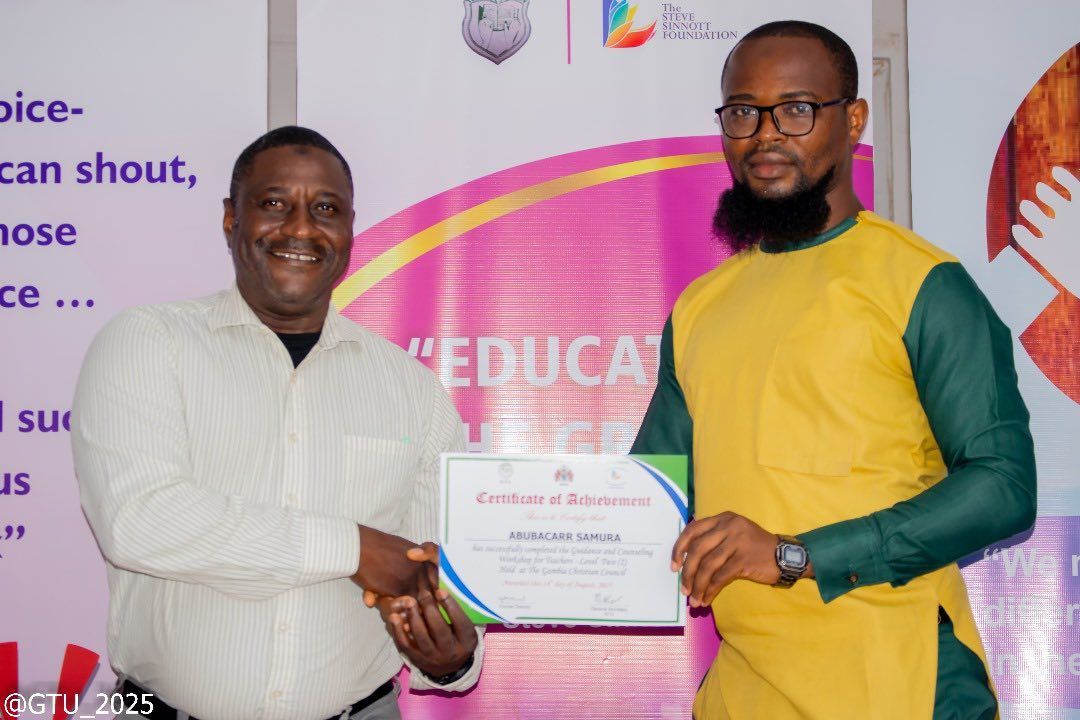
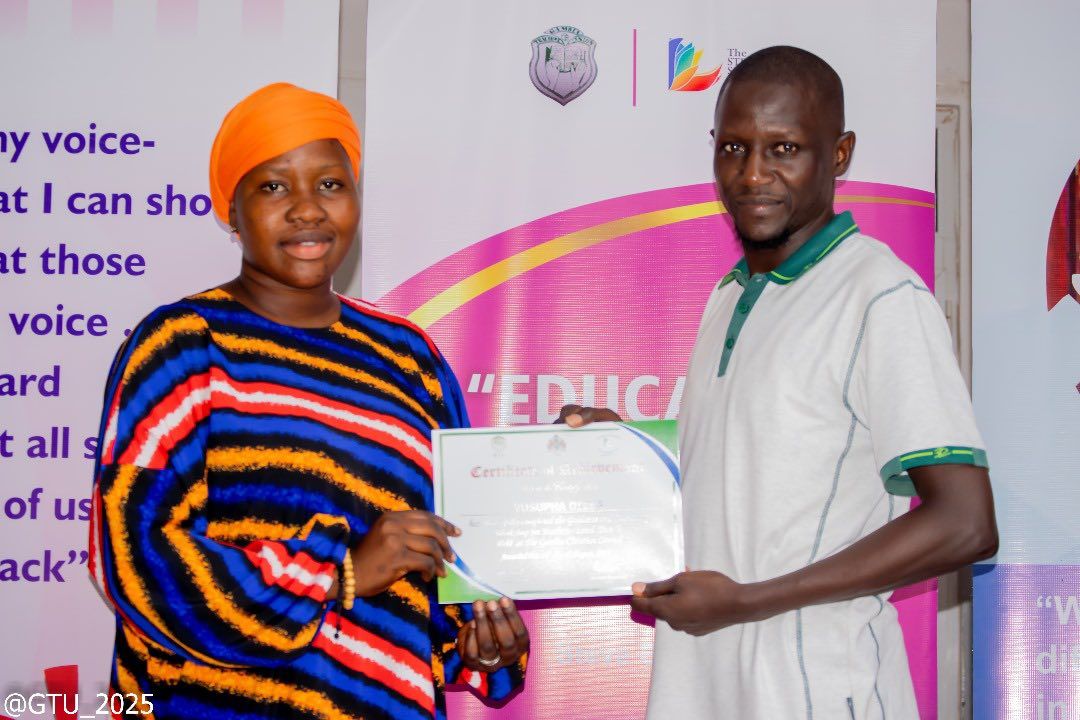
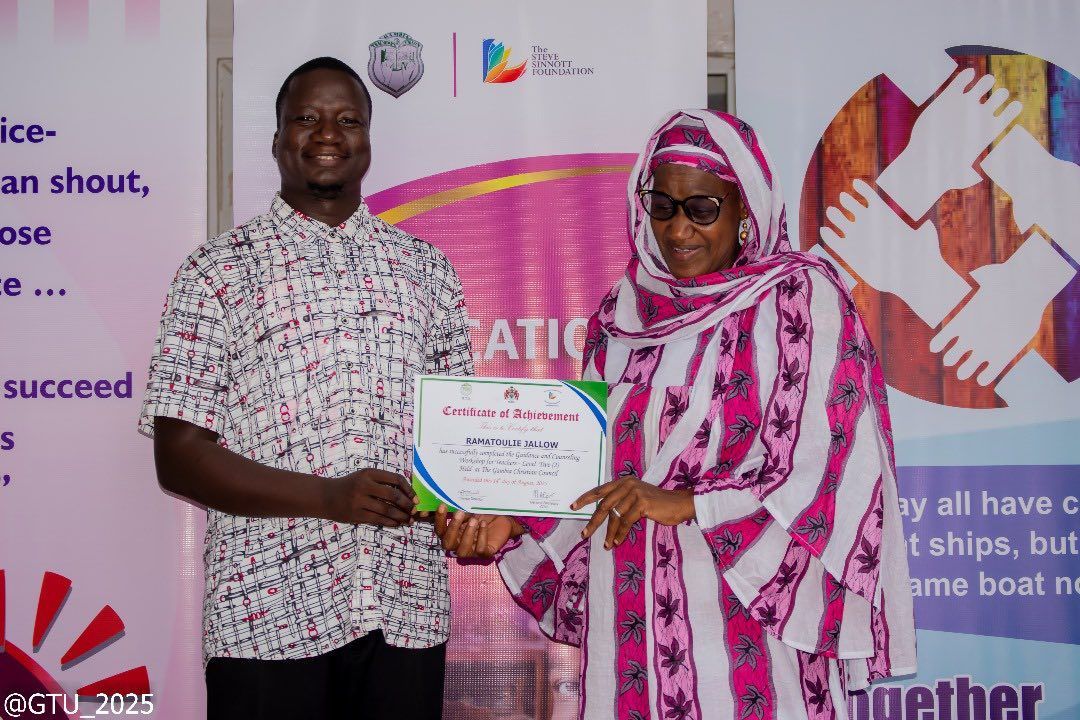
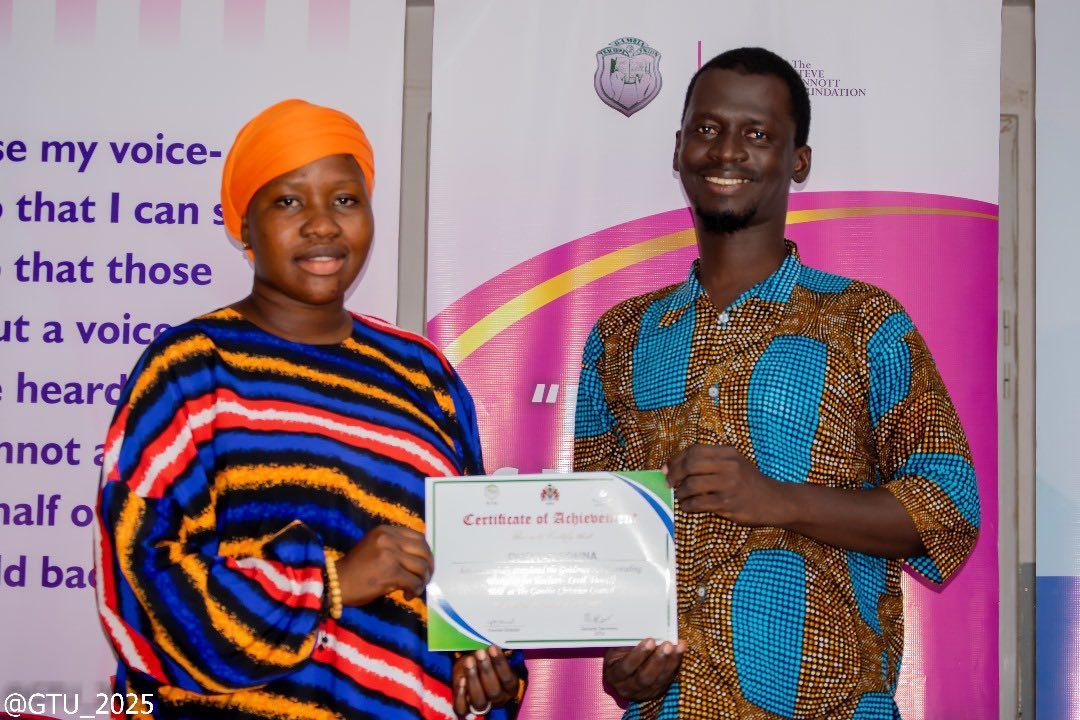
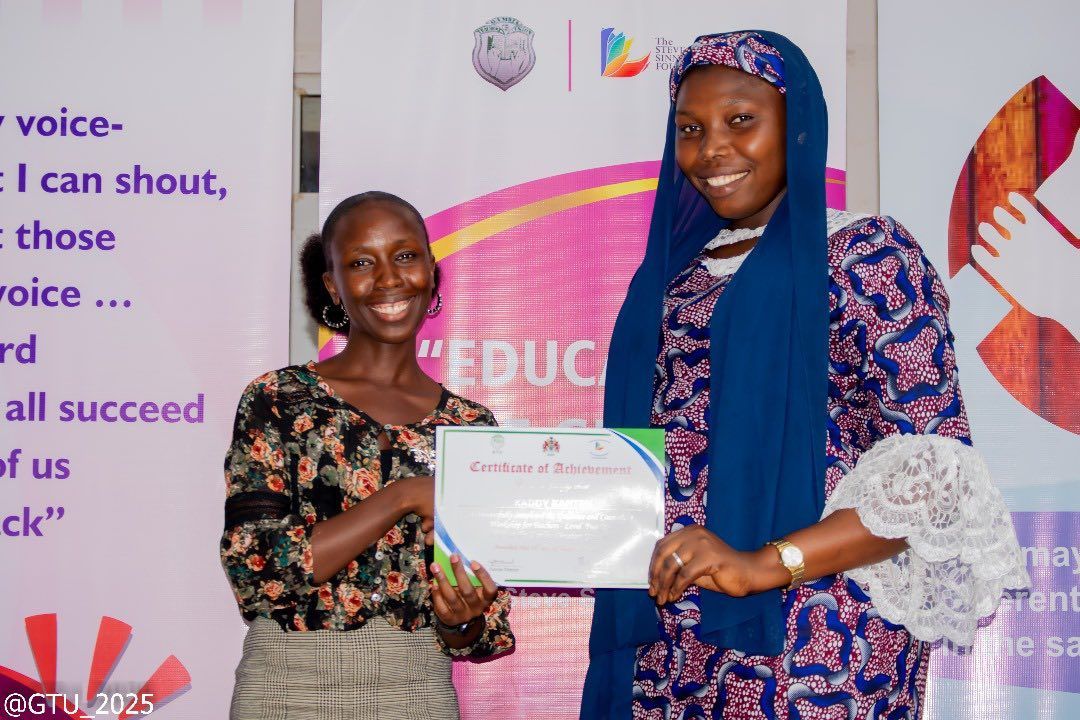
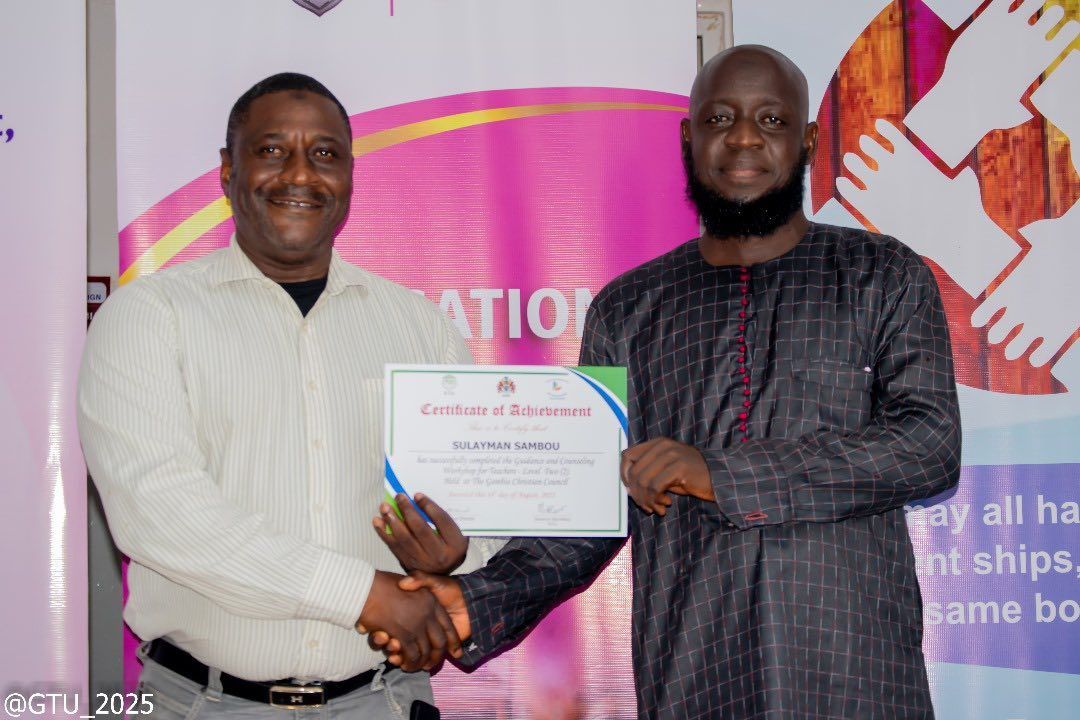
The training concluded with a certificate presentation ceremony, recognising the teachers’ commitment and marking an important step in their professional development. These certificates symbolise more than an achievement; they represent each teacher’s readiness to provide psychosocial support, guidance, and mentorship to learners across their schools.
  • Slide title

    Write your caption here
    Button
  • Slide title

    Write your caption here
    Button
  • Slide title

    Write your caption here
    Button
  • Slide title

    Write your caption here
    Button
  • Slide title

    Write your caption here
    Button
  • Slide title

    Write your caption here
    Button
  • Slide title

    Write your caption here
    Button
  • Slide title

    Write your caption here
    Button
  • Slide title

    Write your caption here
    Button
  • Slide title

    Write your caption here
    Button
  • Slide title

    Write your caption here
    Button
  • Slide title

    Write your caption here
    Button
  • Slide title

    Write your caption here
    Button
  • Slide title

    Write your caption here
    Button


Region 1: teachers begin their own leg 2 training

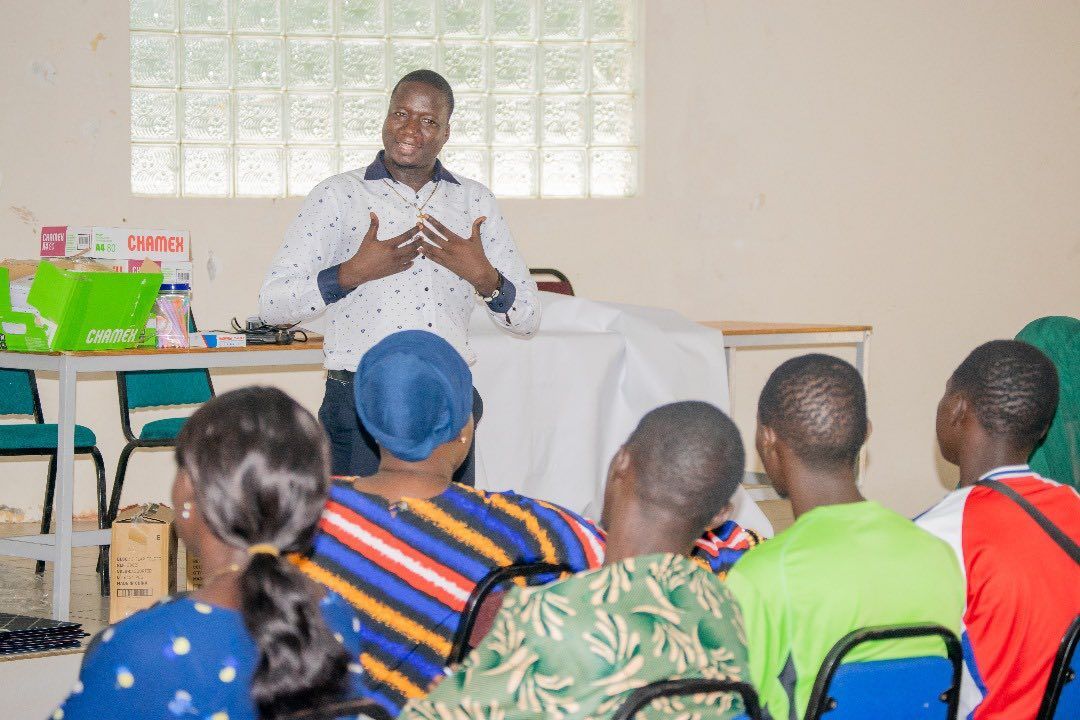
Following the success in Region 3, the focus shifted to Region 1, where another group of 30 dedicated educators embarked on their Leg 2 Guidance and Counselling Training. Like their peers, they are equipped with essential tools to address the emotional, social, and academic needs of students, helping to create school environments that are safe, nurturing, and inclusive.

This training marks another significant milestone in building a nationwide network of trained school counsellors who can provide consistent, meaningful support to learners.


Why this matters

In today’s world, learners face a wide range of challenges from academic pressures to personal and social struggles.
  • Slide title

    Write your caption here
    Button
  • Slide title

    Write your caption here
    Button
  • Slide title

    Write your caption here
    Button
  • Slide title

    Write your caption here
    Button
  • Slide title

    Write your caption here
    Button
  • Slide title

    Write your caption here
    Button
  • Slide title

    Write your caption here
    Button
  • Slide title

    Write your caption here
    Button
  • Slide title

    Write your caption here
    Button
  • Slide title

    Write your caption here
    Button
  • Slide title

    Write your caption here
    Button
  • Slide title

    Write your caption here
    Button
  • Slide title

    Write your caption here
    Button
  • Slide title

    Write your caption here
    Button
  • Slide title

    Write your caption here
    Button
  • Slide title

    Write your caption here
    Button

Guidance and counselling services in schools play a pivotal role in helping students:

  • Overcome personal and academic challenges
  • Build resilience and life skills
  • Develop positive behaviour
  • Reach their full potential

By empowering teachers with these skills, schools become more than places of academic instruction; they become communities of care and growth.


A shared commitment to learners’ well-being

The Guidance and Counselling programme, supported by The Steve Sinnott Foundation, reflects a shared commitment to empowering teachers, strengthening education systems, and transforming the lives of learners across The Gambia. With Regions 1 and 3 making significant progress, the foundation is being laid for a sustainable, nationwide counselling framework that prioritises student well-being and success.


A growing network of school counsellors

Through the collaborative efforts of The Steve Sinnott Foundation, The Gambia Teachers’ Union, and Ministry of Basic and Secondary Education (MoBSE), the Guidance and Counselling programme has made significant strides. With the completion of Region 1’s Level 2 training, the GTU has now trained and certified 140 school counsellors across Regions 1, 2, 3, and 4 a clear demonstration of the commitment to empowering teachers and strengthening school counselling nationwide.


Looking ahead

These milestones mark more than just the completion of training sessions; they represent the foundation of a nationwide network of dedicated school counsellors who are committed to fostering safe, supportive, and nurturing learning environments. With continued support and collaboration, The Gambia is building a stronger education system where every learner has the opportunity to thrive academically, socially, and emotionally.New Paragraph
Ann Beatty • August 18, 2025
By Ann Beatty May 20, 2026
How a simple act of practical solidarity is transforming the journey to school in The Gambia’s Central River Region North Policies have been written. Schools have been built. Yet for many children in The Gambia’s Central River Region North, access to education is still measured in kilometres, not opportunity. 
By Laura Griffin May 13, 2026
‘In a single hour vast tracts of shaded woodland became a jumble of torn trees and upturned soil, exposed to the glare of the summer sun. Such land-clearing events are rare, but forests exhibit remarkable resilience in the face of disaster. I’m told that the Chinese character for ‘catastrophe’ is the same as that which represents the word ‘opportunity’. And, the blowdown, while catastrophic, presented opportunities for many species.’ (Wall Kimmerer, 2003: 89). In the context of a volatile, uncertain, complex, and ambiguous world (Stein, 2021) what kinds of education for hope might support children’s and young people’s critical engagement in local and global issues? In the spirit of exploring the possibilities of hope further, this short article focuses on the area of global citizenship and sustainabilityrelated education. It will briefly open by sharing commonalities across pedagogical approaches that take up the concept and act of hope more critically, and close by offering reflective questions for educators, with suggestions for further reading. Perhaps it is a kind of hope that is grounded in the present, in future reimagining(s), in ethical solidarity, and an acknowledgement of our deep entanglement with the living metabolism of planet earth 1 our singular home (UNESCO, 2021); a hope that engages with complex root causes and lived realities of multiple overlapping crises in critically reflexive and contextually relevant ways. As McCloskey notes, ‘Hope can fire our collective imagination and critical consciousness as a mainspring to activism and intervention in the world.’ (2025: 3). Commonalities across critical pedagogical approaches to hope include: Acknowledging the context of a ‘seamless single story of progress, development and human evolution’ (Andreotti, V.D.O., 2021b Relating to social and ecological justice and the wellbeing of people and planet Using participatory, action-orientated and inquiry-based learning processes Exploring diverse worldviews and perspectives Practising grounding in the present with opening up possibilities for change (relational, embodied, response-able 2 ) Experiencing ‘struggle’ in different forms (dialogical, selfreflexive, open-ended) Engaging individual and collective agency, action and activism Looking for lifelong and life-wide learning and unlearning. 1 See ‘Co-sensing with Radical Tenderness’, in Machado de Oliveira Andreotti. 2021a 2 See ‘Crossing Borders’ in 2 Depth Education “Depth Education and the Possibility of GCE Otherwise, 2021b. Source: Andreotti, V. 2021a & 2021b., Atif, A. (2025)., Bourn, D. 2021., Bryan. A. and Mochizuki,Y., 2024., Giroux, H.A. 2025., Meade, E. 2025. Whilst engaging in the concept and act of hope more critically reflect upon: What kinds of education for hope might you explore further and why? How might you provide generative spaces for engaging in diverse worldviews and perspectives? In what ways can you facilitate individual and collective agency? How might you support learners’ practice grounding in the present in order to relate differently? In what ways can you support learners in navigating complex root causes and lived realities of local and global issues? As Chief Ninawa Hini Kui affirms, ‘The future depends much less on the images we project ahead than on our capacity to repair relations and build relationships differently in the present.’ (Andreotti et al, 2023: 73. An invitation for further reading: Transformative Learning for a Sustainable Future . d’Abreu, C., Belgeonne, C., Bourn, D. and Hatley, J. (2025) ‘Transformative Learning for a Sustainable Future’. DERC Research Paper 24. London: UCL Institute of Education. Hospicing Modernity: facing humanity’s wrongs and the implications for social activism. Machado de Oliveira Andreotti, V. (2021a) ‘Hospicing Modernity: facing humanity’s wrongs and the implications for social activism’ , London: Penguin Random House. Development Education and Hope . McCloskey, S. (2025). (ed) ‘Development Education and Hope’. ‘Policy and Practice: A Development Education Review’ , Vol. 41, Autumn. Centre for Global Education, Belfast. Link to and download the full reference list here
By Susan Piper May 6, 2026
This summed up to me about why I volunteer for the Hands Up Project. HUP is a charity trust which, through its network of volunteers, connects children around the world with young people in Palestine. By means of online interaction, drama and storytelling activities, it enables the use of creativity and selfexpression to promote mutual understanding, personal growth, and the development of English language skills. I joined HUP in 2020 during COVID. After going to Palestine in 2017, I wanted to get more involved in working with Palestinian children in schools. HUP gave me the opportunity to link up with schools in the West Bank and Gaza. Every week I’d tell them stories from all over the world, then we’d discuss it, play games and I’d get them to retell it. Sometimes we would work from their coursebook English for Palestine’ in mutual team teaching sessions with their teacher. The simple act of telling a story became much more than entertainment. It became connection, healing, and a bridge to the world beyond their immediate reality to help them improve their language skills, and to give them a platform to speak about their lives in a language that connects them to people everywhere. I loved it, every week, seeing their smiling faces on the screen and building long lasting friendships with their teachers. I even went to Gaza in 2023 and met some of the kids I’d only seen on Zoom. It was a beautiful experience and something I will never forget. As hostilities escalated, I lost contact with everyone. I thought about where the kids were and what had happened to them. As I watched schools being bombed, universities flattened, and people killed in their thousands, I thought about where the kids I’d met were and what was happening to them. I kept in contact with many of the teachers I knew and heard daily news of displacement, destruction, hunger and bombing. Recently, I’ve started to link up again with children in Gaza, and it feels wonderful to be back helping them learn after being denied an education for over two years. Connecting with children in Palestine is more than just words. When a child in Palestine confidently tells their story to someone on the other side of the world, bridges are built, empathy grows, and the world gains a fuller picture of childhood in contexts far from peace and privilege. My work with these children is rooted in the belief that education and voice are inseparable. Through storytelling and English language learning, I witness children not just learning new vocabulary, but reclaiming their narratives, believing in their potential, and finding human connection in a world they perceive has abandoned them. And more than anything, this work reminds us all that children — everywhere — deserve to learn, to speak, and to be heard. Links to HUP information, books and resources: The Hands Up Project BY SUSAN PIPER Susan Piper is currently an ESOL teacher in Oldham, Greater Manchester and has worked in education for over 30 years. She is also a volunteer for the Hands Up Project and is the International Solidarity Officer and President of her NEU district. She believes in quality education for all and aims to make her lessons creative and inclusive so that effective language learning can take place.