Empowering Student Voices: Young Ambassadors Champion Inclusive Education for All

In our continued commitment to ensuring quality and inclusive education for every child, we’ve taken our advocacy to a new level by empowering the next generation to lead the conversation.


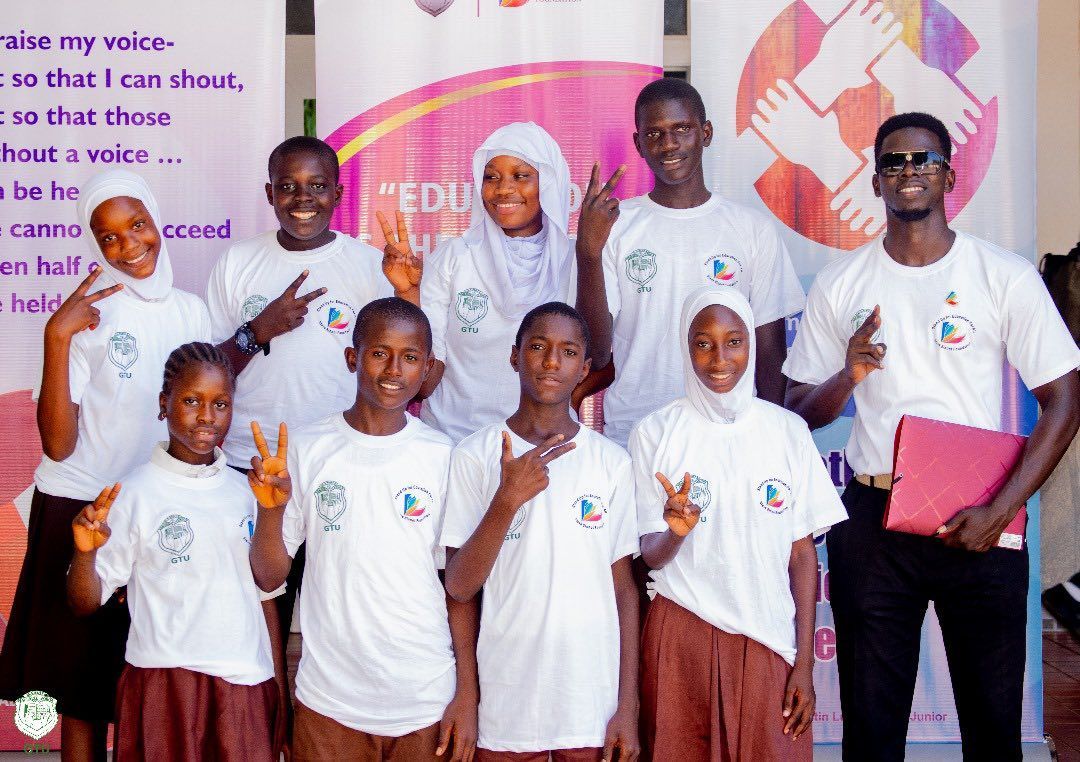
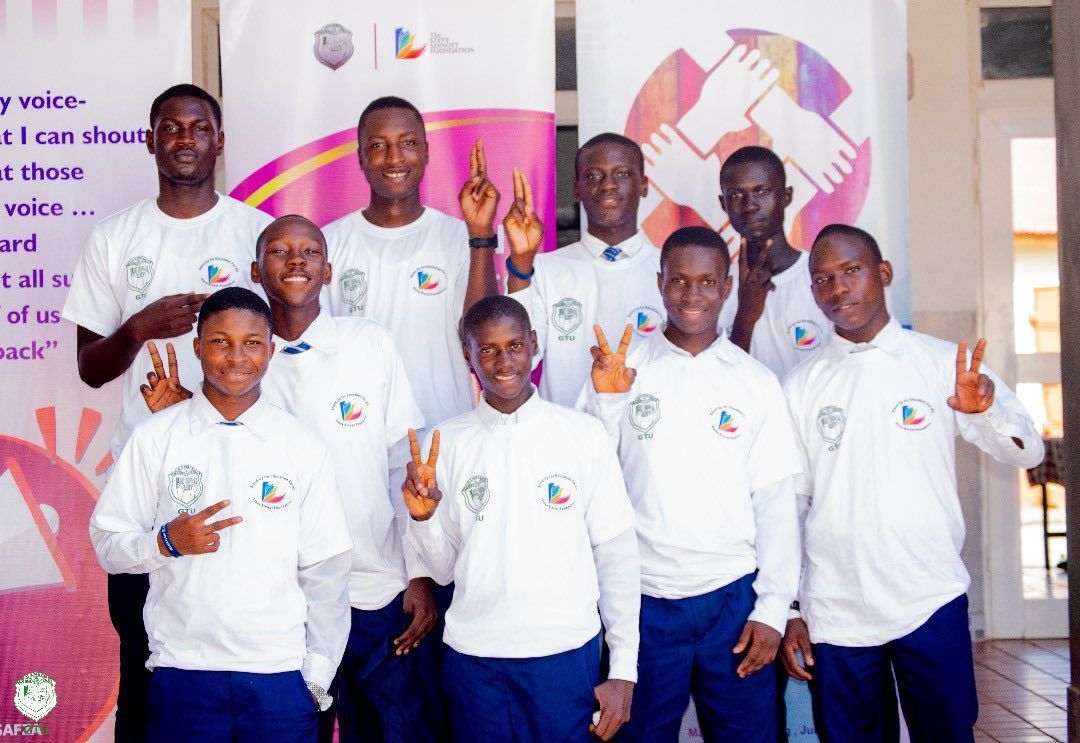
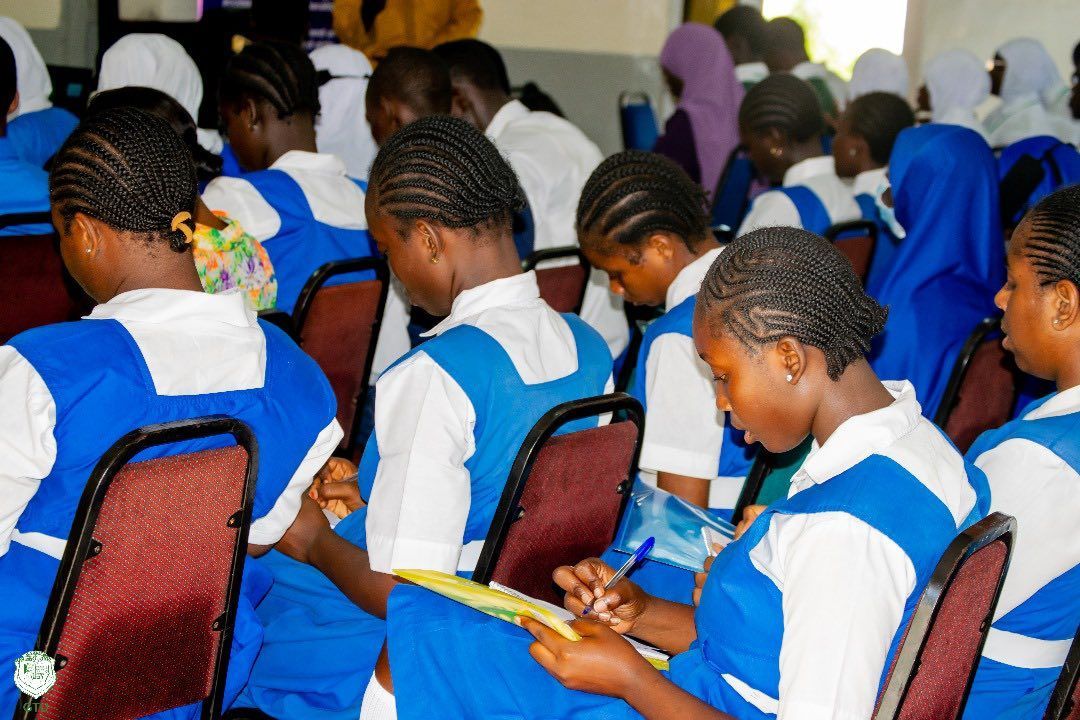
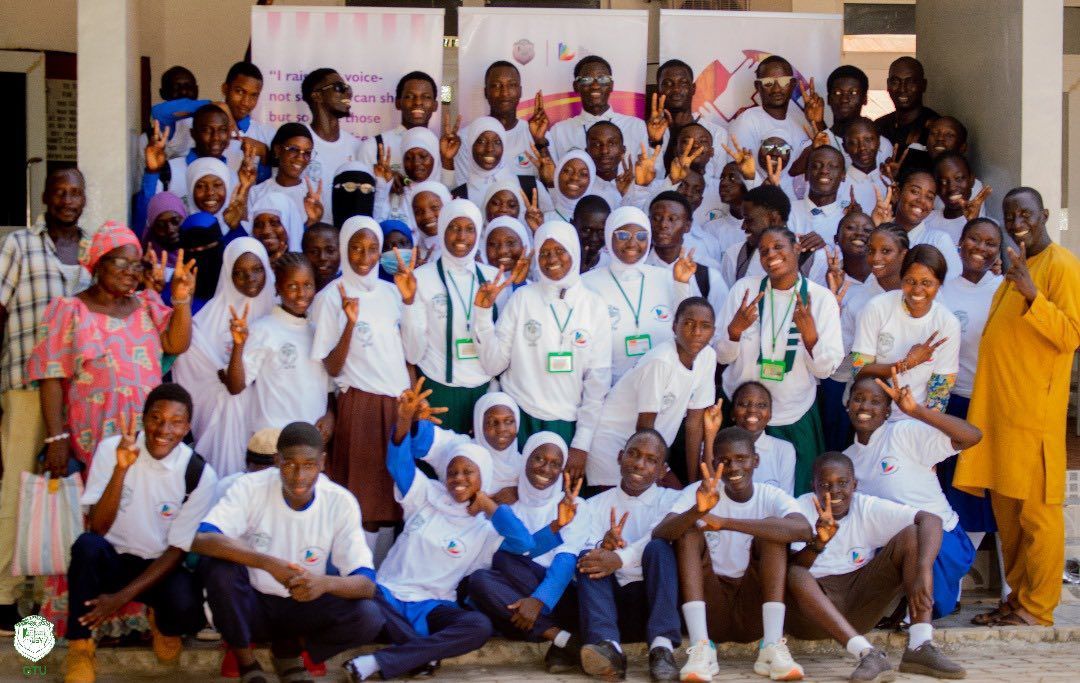
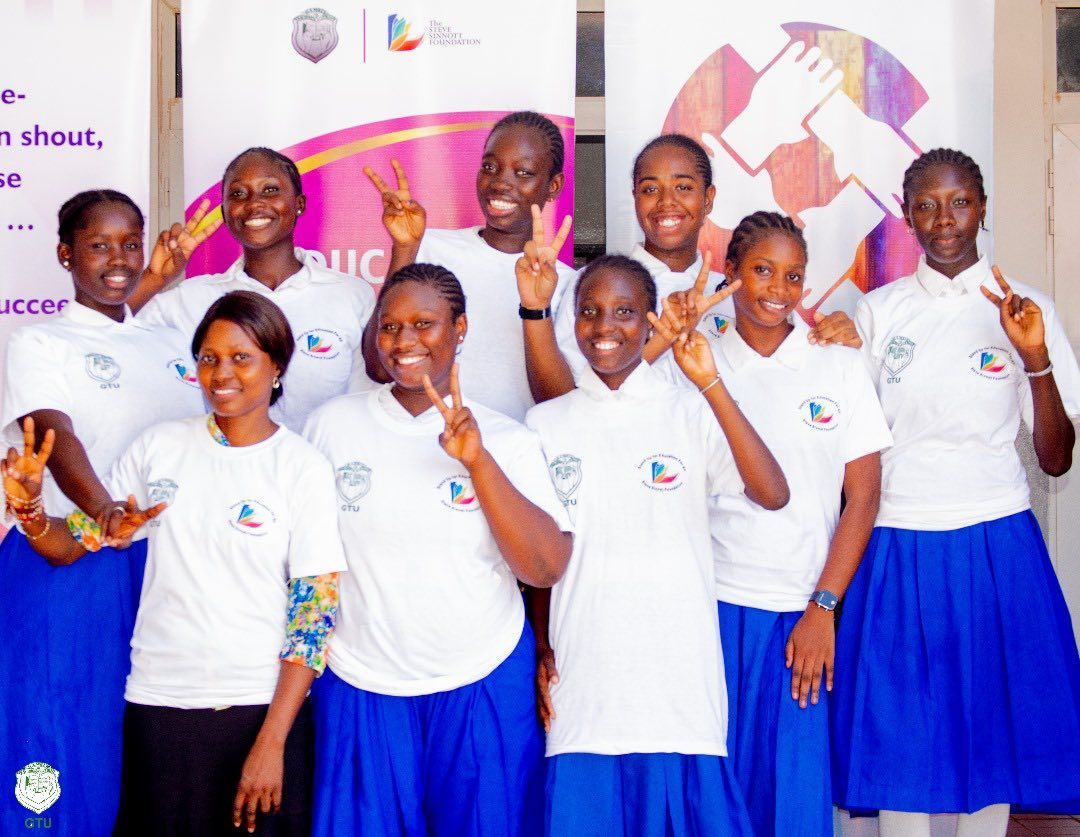
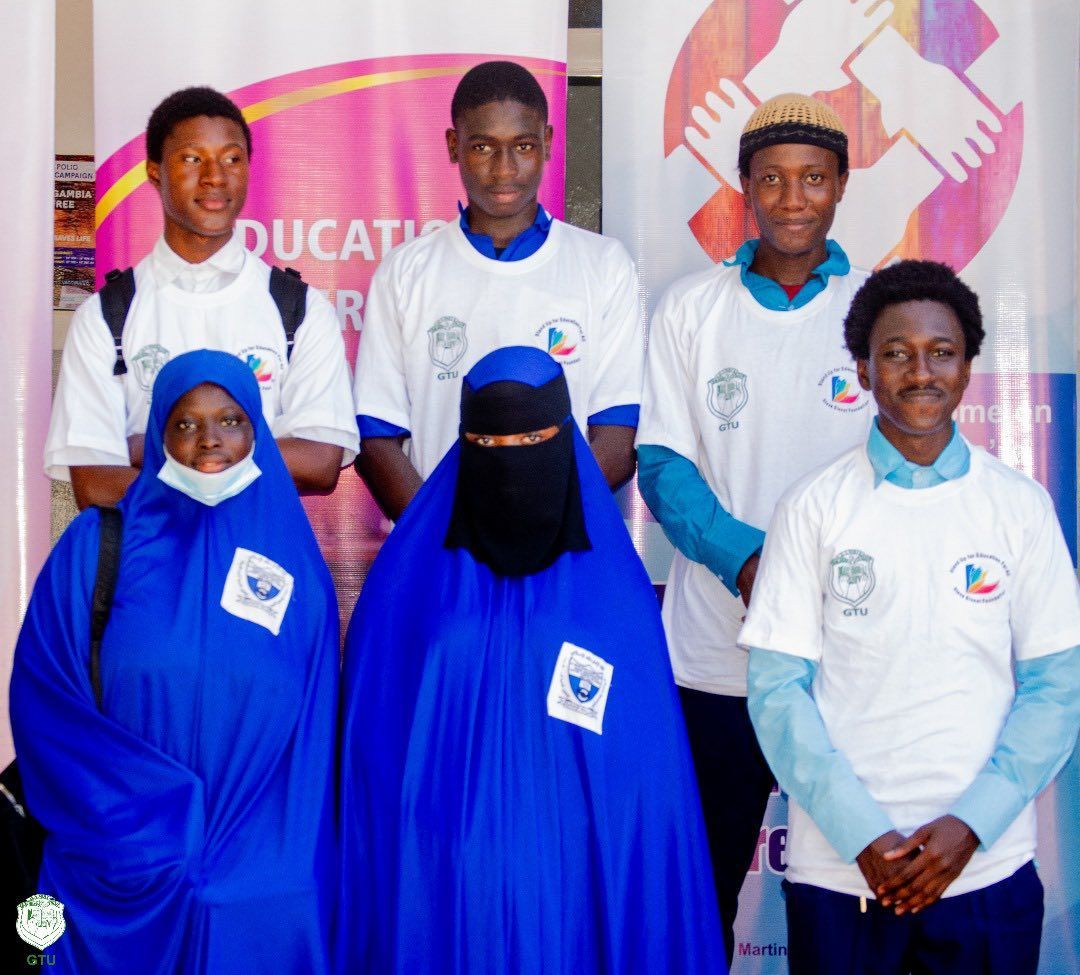
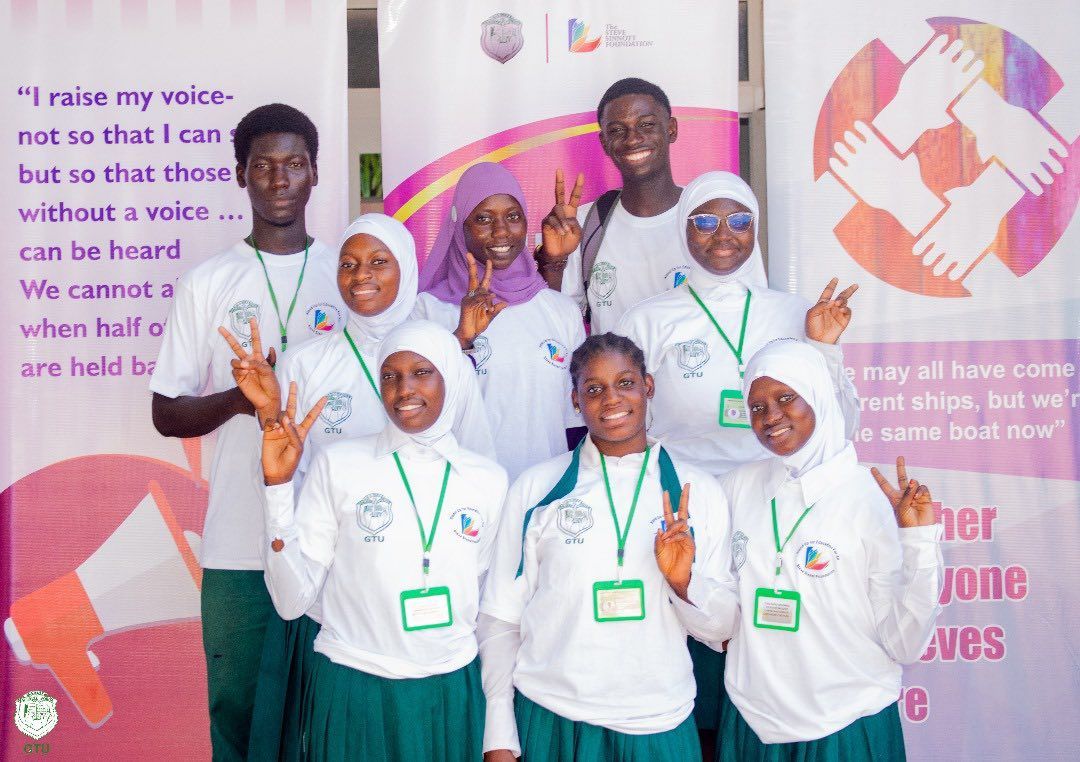
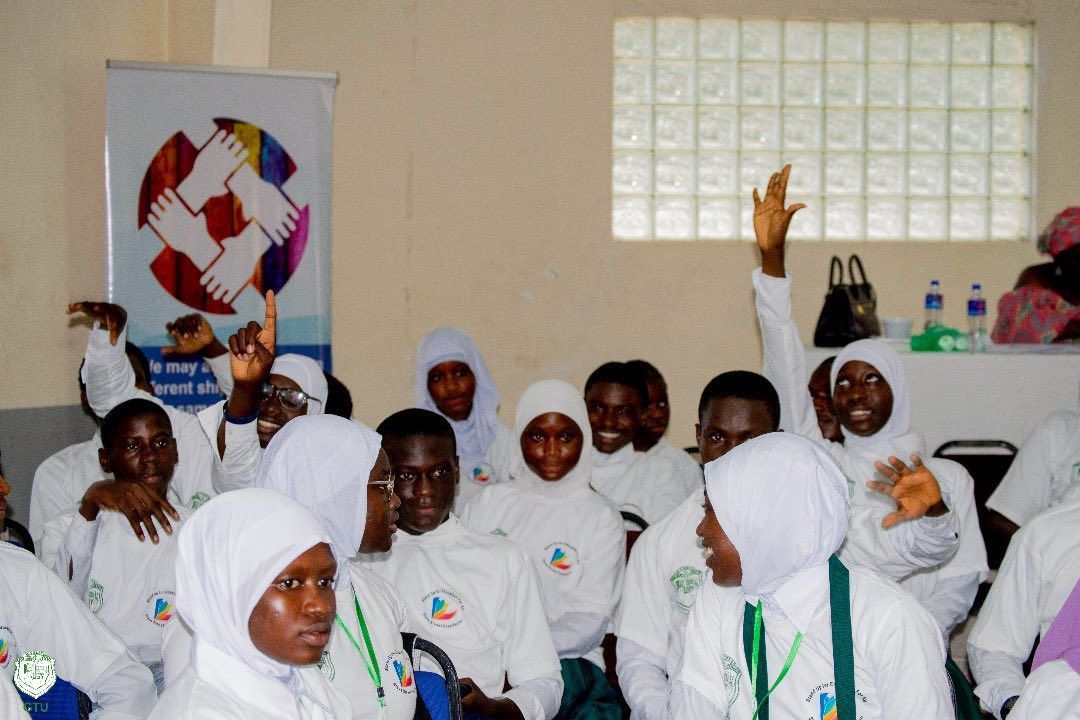
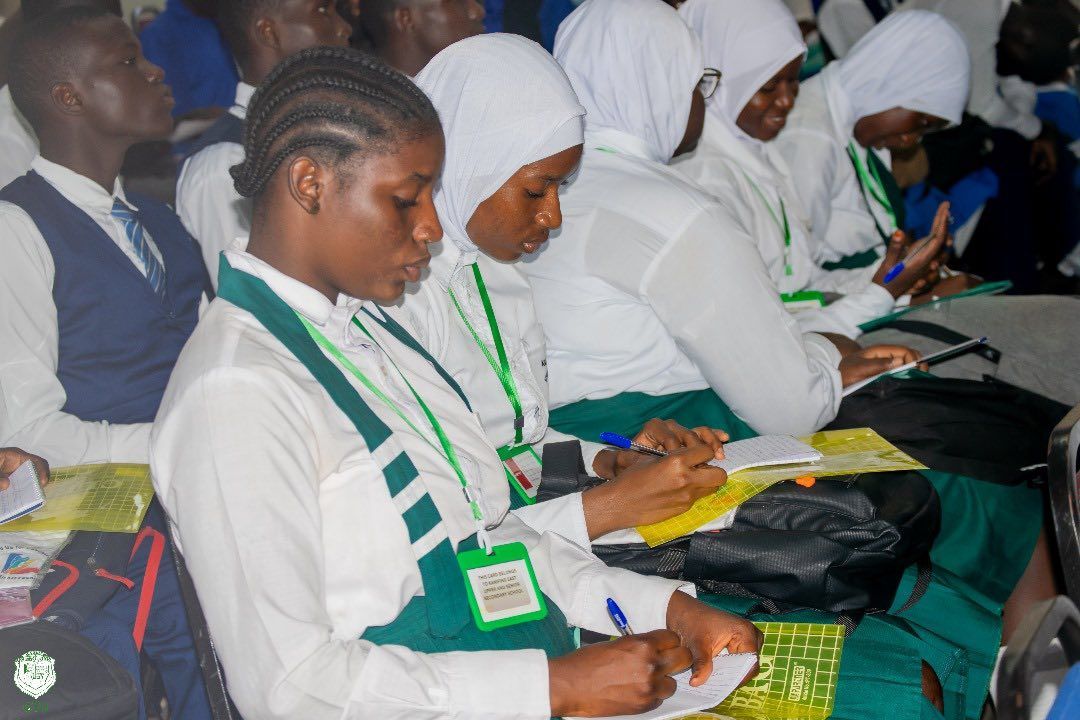
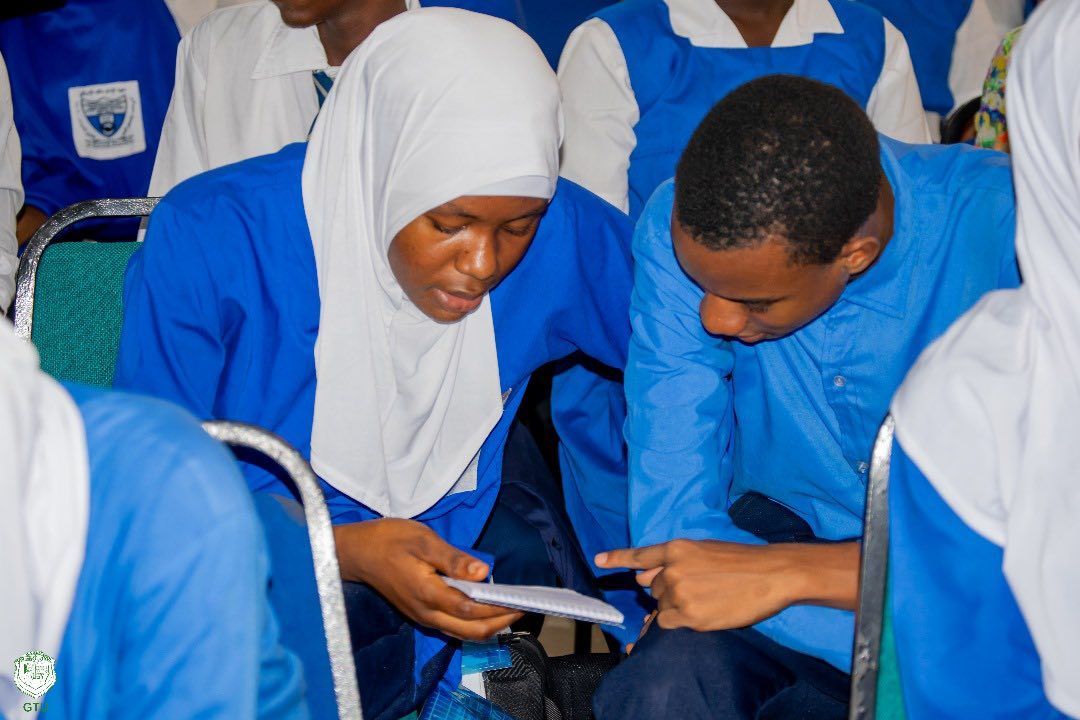
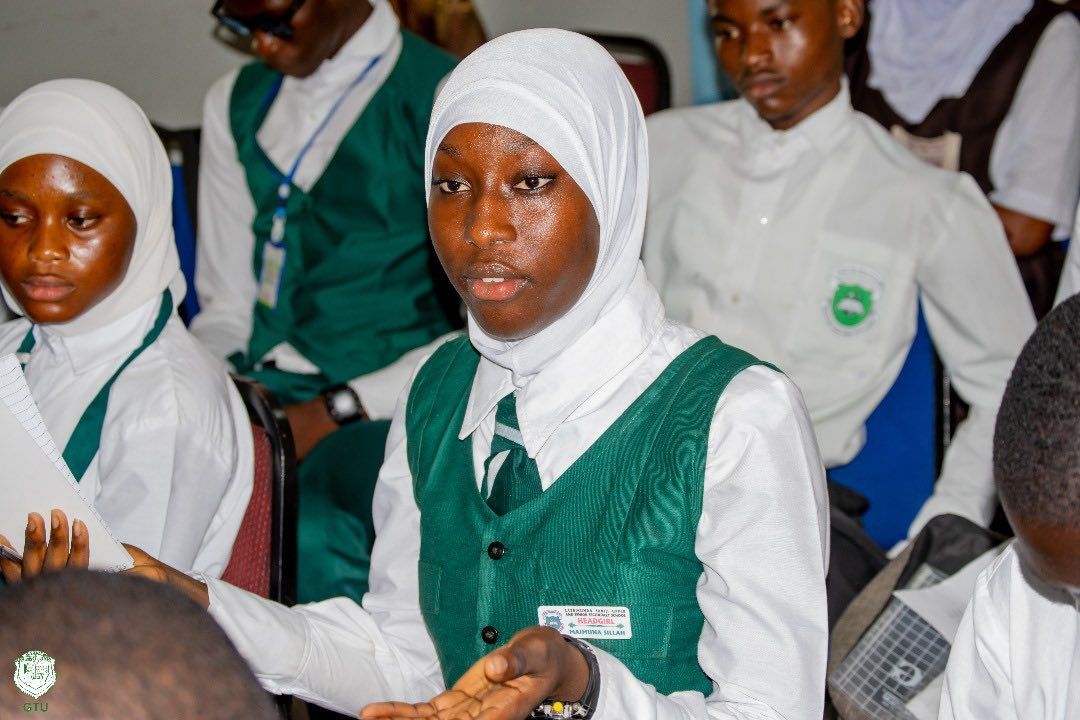
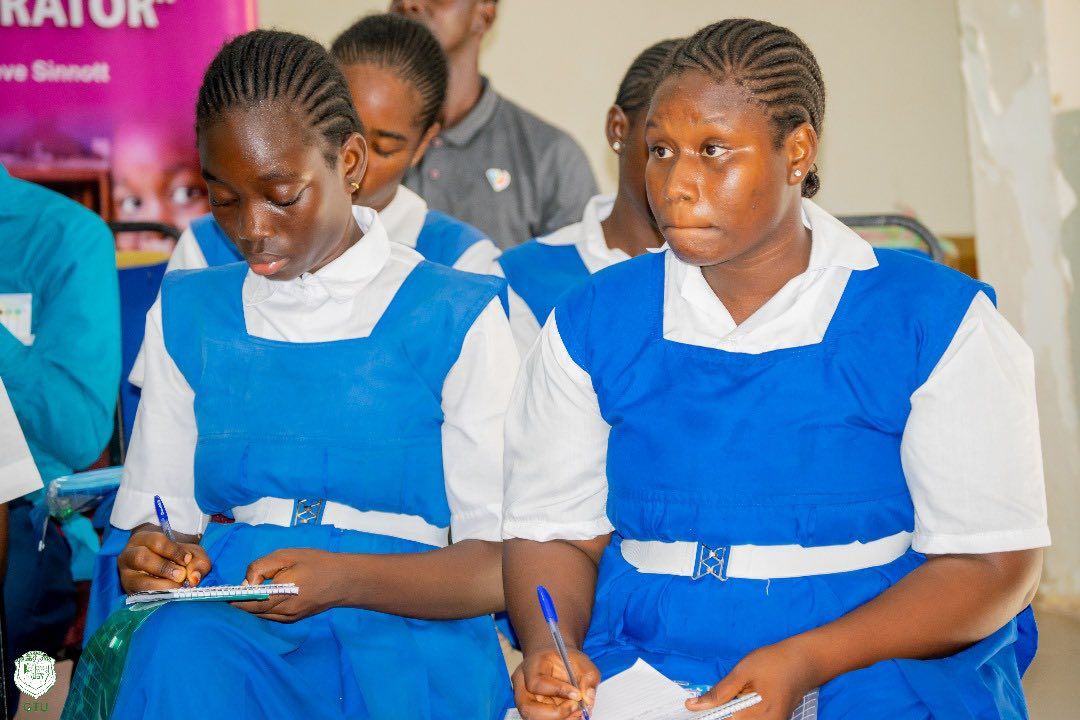
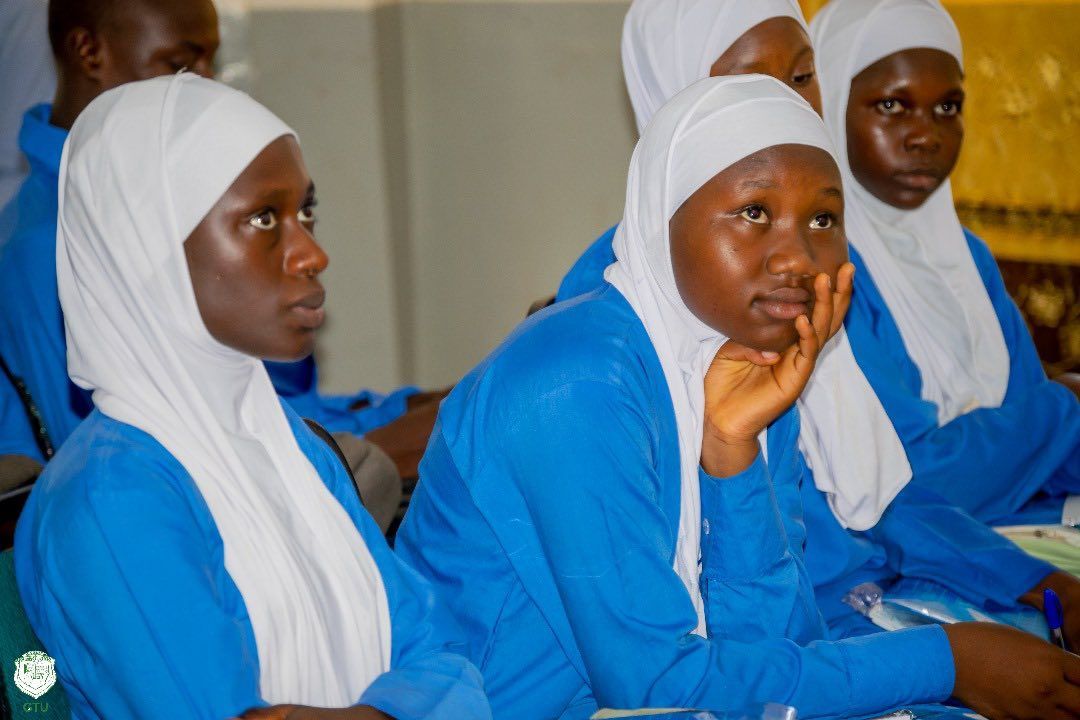
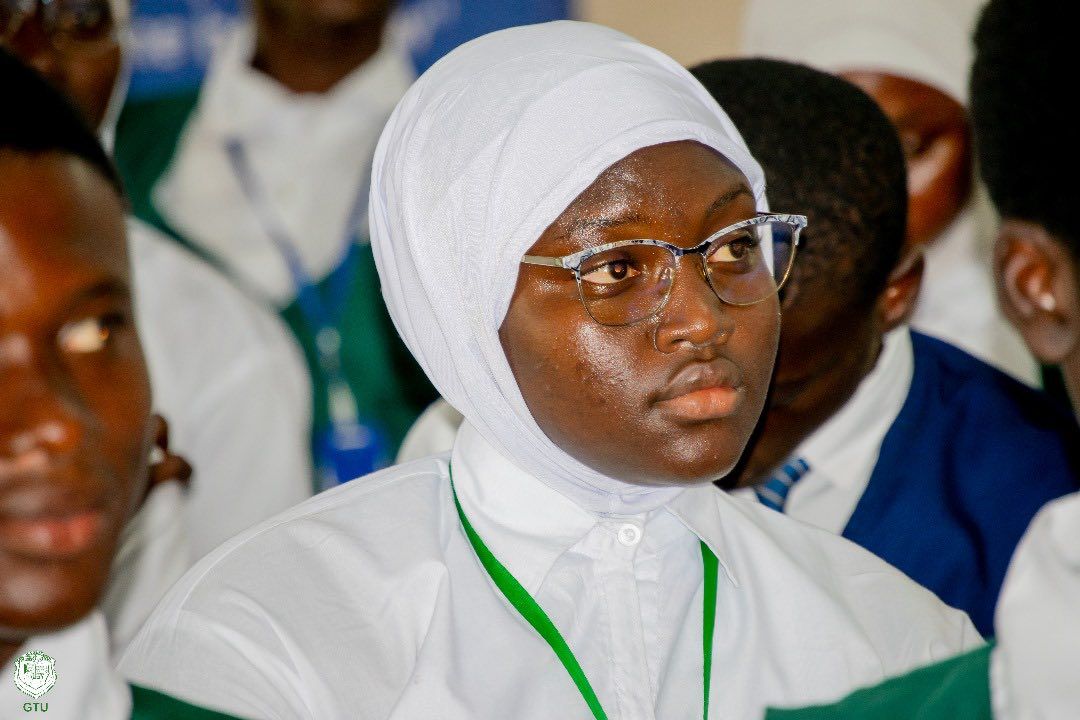
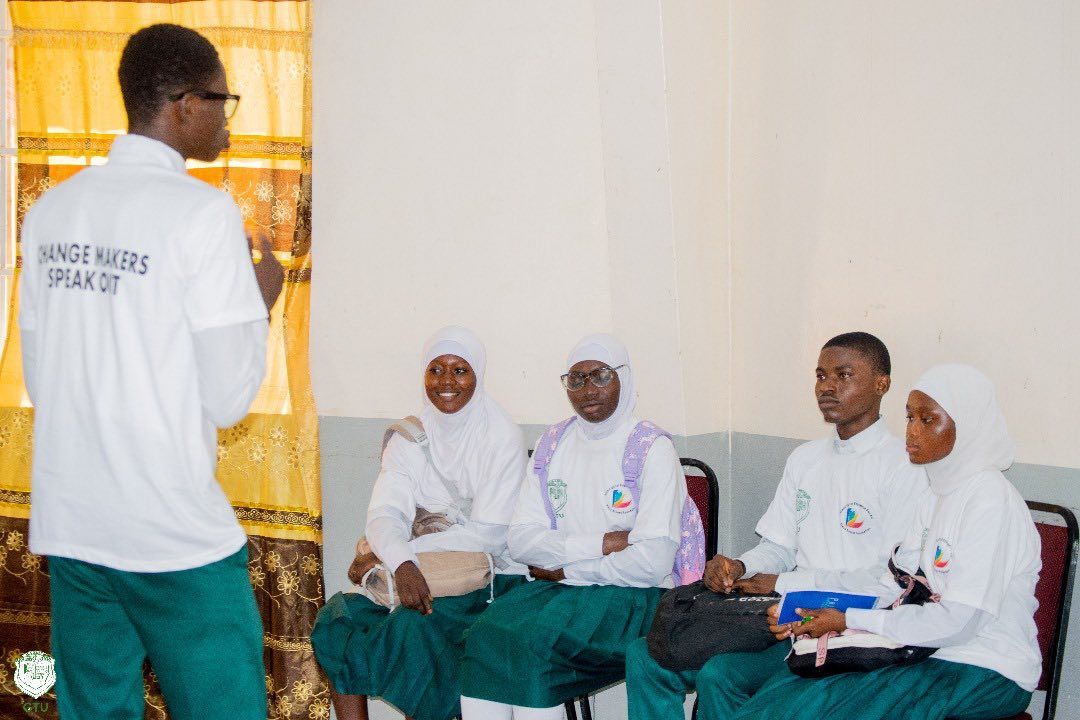
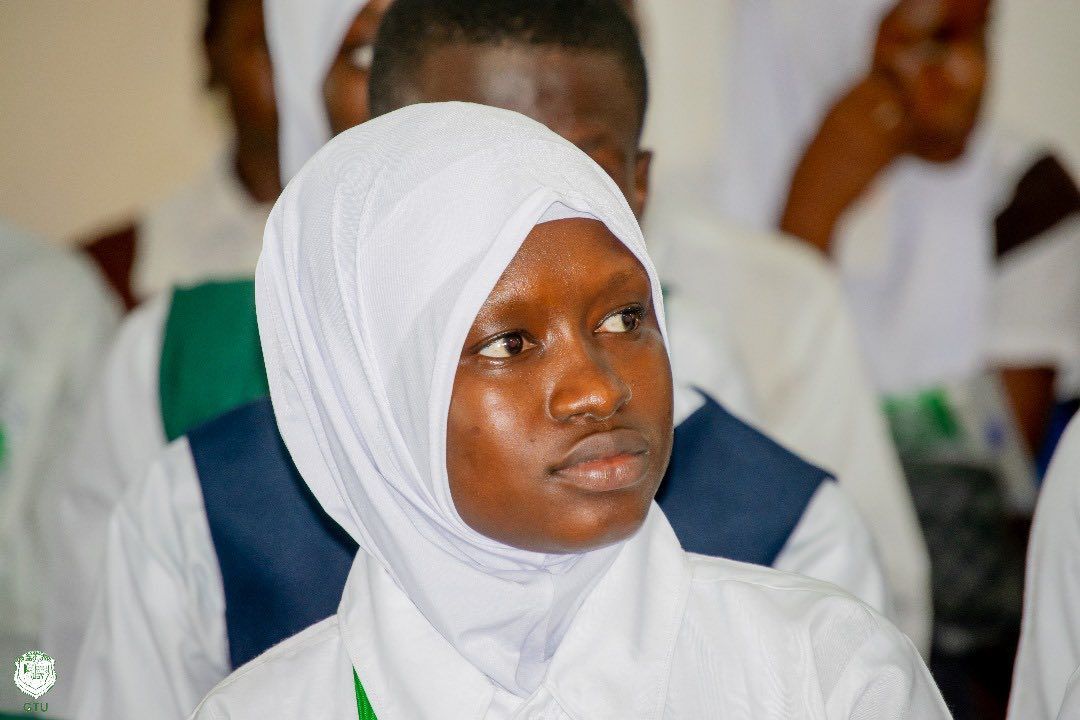
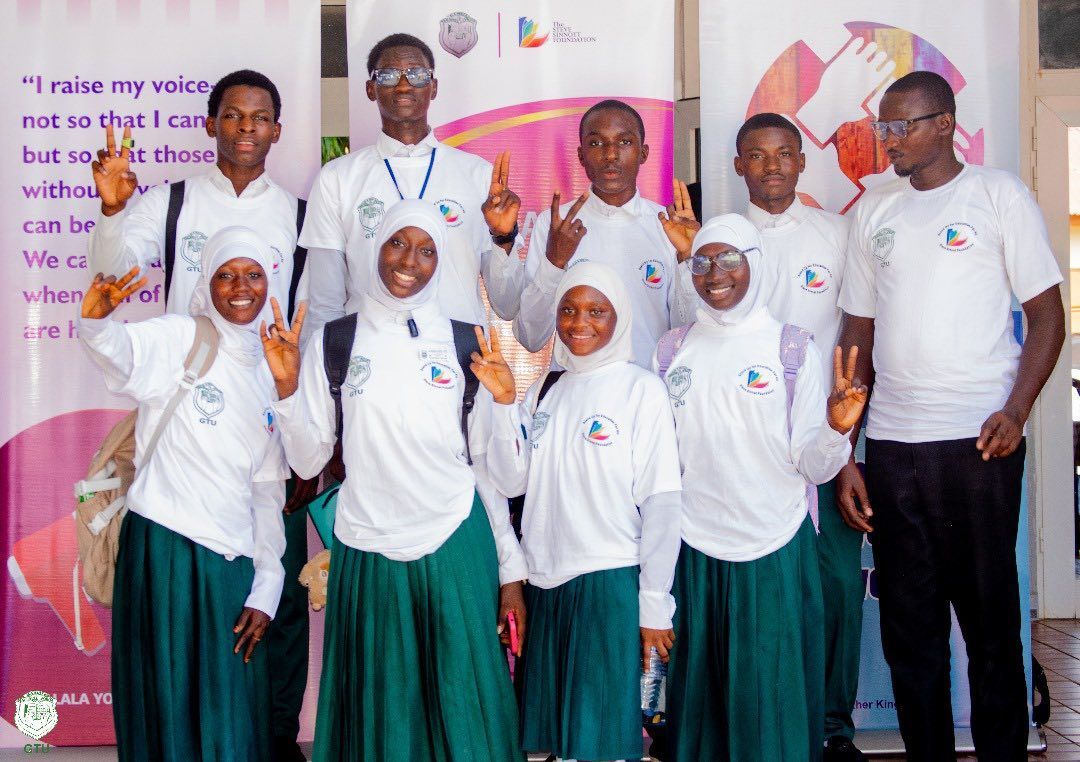
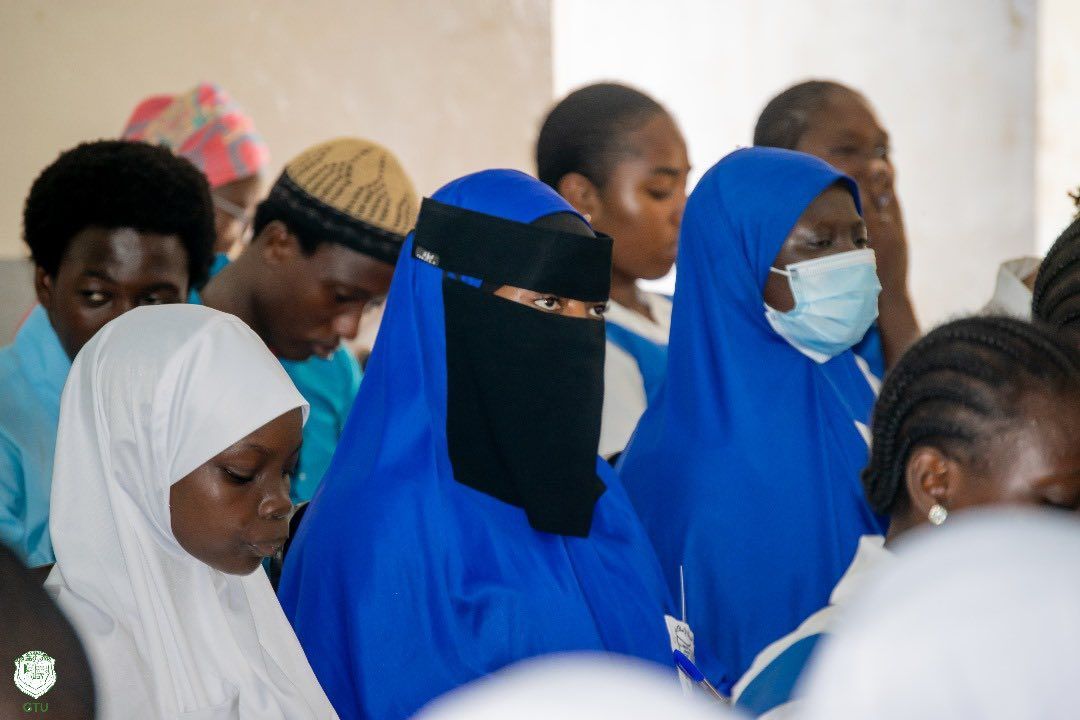
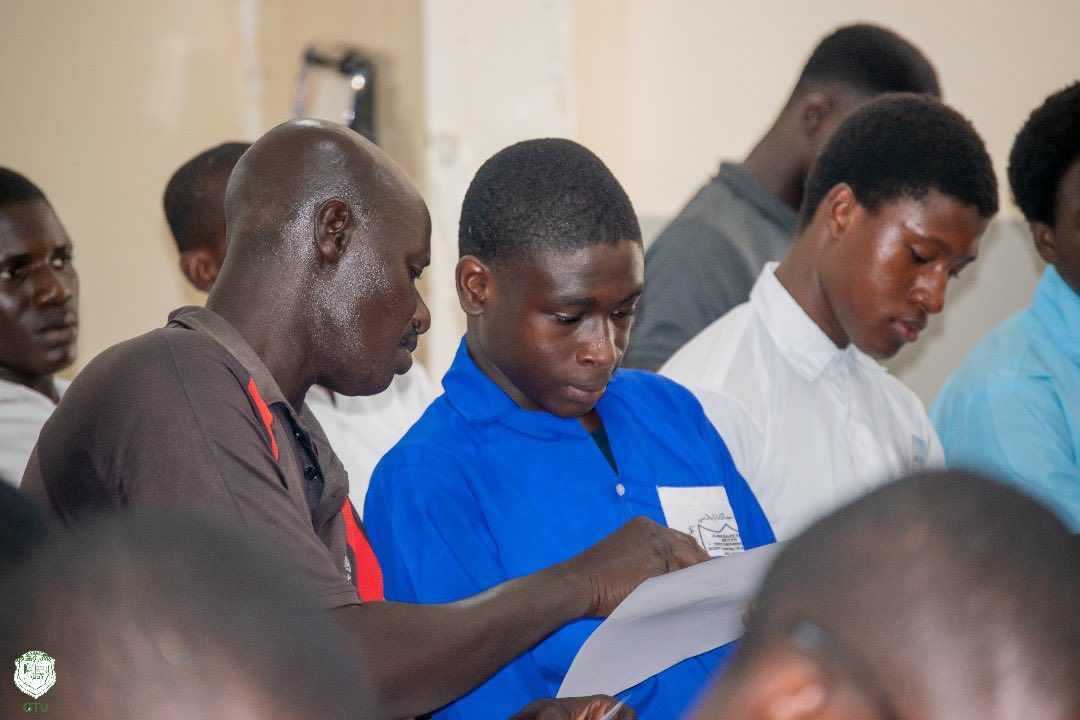
In partnership with The Gambia Teachers’ Union, we recently convened The Foundation’s Young Ambassadors for a vibrant day of engagement dedicated to promoting the right to education for all. The event brought together passionate students from selected senior secondary schools across Region 1, including St. John’s School for the Deaf, to explore what it truly means to make education inclusive, equitable, and accessible to every learner.
Young Voices Leading the Way


The Young Ambassadors are a dynamic group of student leaders committed to being champions of change within their schools and communities. Their mission is simple yet powerful; to advocate for an education system where no child is left behind, regardless of ability, background, or circumstance.


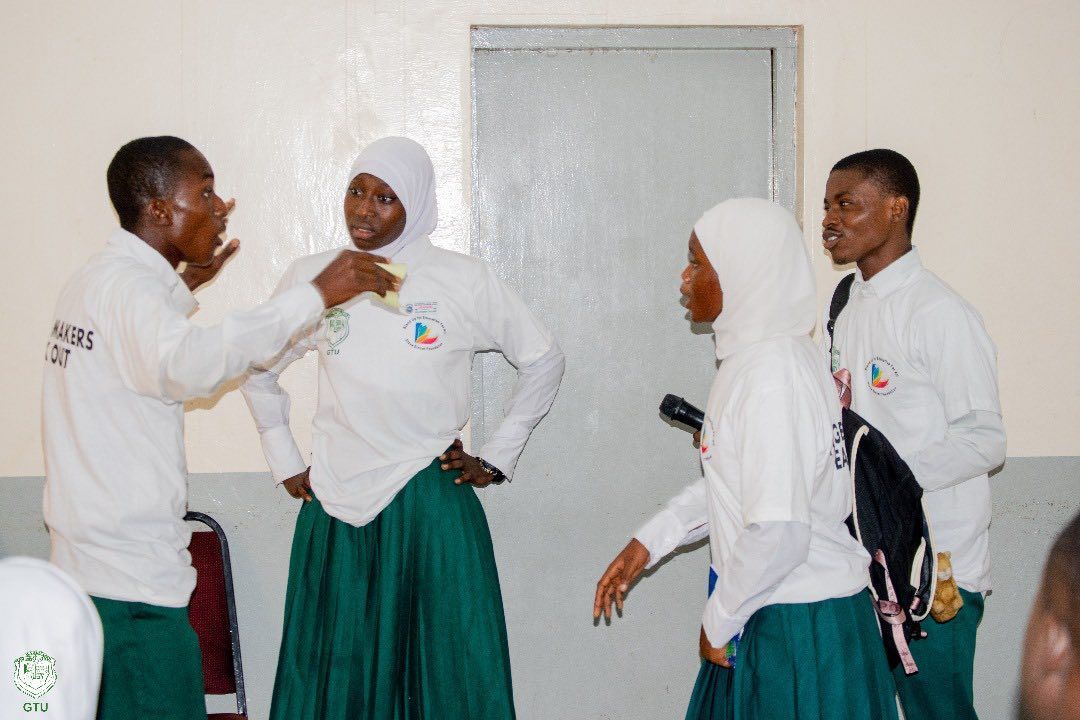
Through a series of creative sessions, the Ambassadors expressed their ideas, concerns, and hopes through skits, poems, plays, and storytelling. These powerful performances brought to life the real challenges learners face from barriers in access and inclusion to the need for empathy, understanding, and support for diverse learning needs.

Inclusion at the Heart of Education


The inclusion of St. John’s School for the Deaf among participating institutions was particularly symbolic. It underscored our shared belief that inclusivity must go beyond words; it must be seen, felt, and practised in every classroom. By sharing experiences and perspectives, all participants were reminded that inclusive education benefits everyone, building more compassionate and united communities.

Building a Movement, Not Just a Moment


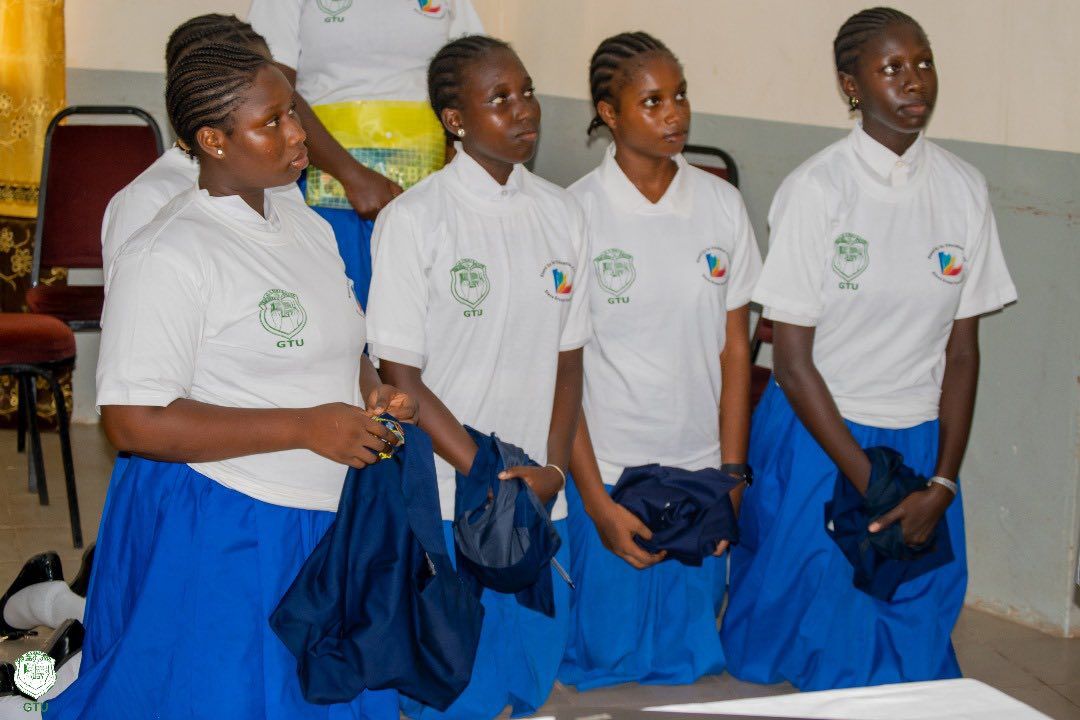
This initiative marks more than just a one-day event; it’s the beginning of a movement driven by young people determined to make a difference. As Young Ambassadors, these students will continue to champion awareness within their schools, engage their peers in dialogue, and use their creativity to promote positive change.


Participating Schools

  • Kanifing East Senior Secondary School
  • Greater Banjul Senior Secondary School
  • Daddy Jobe Senior Secondary School
  • St. John’s School for the Deaf
  • Imam Malick Islamic Senior Secondary School
  • St. Augustine’s Senior Secondary School
  • St. Joseph’s Senior Secondary School
  • Latrikunda Sabiji Senior Secondary School


Looking Ahead


Together with The Gambia Teachers Union, we remain committed to nurturing these young advocates, equipping them with the skills, knowledge, and confidence to amplify their voices and inspire action within their communities.

Education is more than access to classrooms, it is the key to unlocking human potential. By empowering students to lead, we are ensuring that the call for Education for All continues to echo through every corridor, every classroom, and every community.
  • Slide title

    Write your caption here
    Button
  • Slide title

    Write your caption here
    Button
  • Slide title

    Write your caption here
    Button
  • Slide title

    Write your caption here
    Button
  • Slide title

    Write your caption here
    Button
  • Slide title

    Write your caption here
    Button
  • Slide title

    Write your caption here
    Button
  • Slide title

    Write your caption here
    Button
  • Slide title

    Write your caption here
    Button
  • Slide title

    Write your caption here
    Button
  • Slide title

    Write your caption here
    Button
  • Slide title

    Write your caption here
    Button
  • Slide title

    Write your caption here
    Button
  • Slide title

    Write your caption here
    Button
  • Slide title

    Write your caption here
    Button
  • Slide title

    Write your caption here
    Button
  • Slide title

    Write your caption here
    Button
  • Slide title

    Write your caption here
    Button
  • Slide title

    Write your caption here
    Button
  • Slide title

    Write your caption here
    Button
  • Slide title

    Write your caption here
    Button
  • Slide title

    Write your caption here
    Button
Ann Beatty • October 13, 2025
By Ann Beatty June 1, 2026
On Friday evening ( 29 May, 7.00 pm The Actors Church Covent Garden) we had the pleasure of listening to this very special concert, bringing together the Choir of King's College London and the Princeton High School Orchestra in a celebration of international friendship, collaboration, and shared values. This project reflects a commitment to peace, sustainability, equality, and cultural exchange, uniting young musicians from the United Kingdom and the United States through the universal language of music.
By Ann Beatty May 20, 2026
How a simple act of practical solidarity is transforming the journey to school in The Gambia’s Central River Region North Policies have been written. Schools have been built. Yet for many children in The Gambia’s Central River Region North, access to education is still measured in kilometres, not opportunity. 
By Laura Griffin May 13, 2026
‘In a single hour vast tracts of shaded woodland became a jumble of torn trees and upturned soil, exposed to the glare of the summer sun. Such land-clearing events are rare, but forests exhibit remarkable resilience in the face of disaster. I’m told that the Chinese character for ‘catastrophe’ is the same as that which represents the word ‘opportunity’. And, the blowdown, while catastrophic, presented opportunities for many species.’ (Wall Kimmerer, 2003: 89). In the context of a volatile, uncertain, complex, and ambiguous world (Stein, 2021) what kinds of education for hope might support children’s and young people’s critical engagement in local and global issues? In the spirit of exploring the possibilities of hope further, this short article focuses on the area of global citizenship and sustainabilityrelated education. It will briefly open by sharing commonalities across pedagogical approaches that take up the concept and act of hope more critically, and close by offering reflective questions for educators, with suggestions for further reading. Perhaps it is a kind of hope that is grounded in the present, in future reimagining(s), in ethical solidarity, and an acknowledgement of our deep entanglement with the living metabolism of planet earth 1 our singular home (UNESCO, 2021); a hope that engages with complex root causes and lived realities of multiple overlapping crises in critically reflexive and contextually relevant ways. As McCloskey notes, ‘Hope can fire our collective imagination and critical consciousness as a mainspring to activism and intervention in the world.’ (2025: 3). Commonalities across critical pedagogical approaches to hope include: Acknowledging the context of a ‘seamless single story of progress, development and human evolution’ (Andreotti, V.D.O., 2021b Relating to social and ecological justice and the wellbeing of people and planet Using participatory, action-orientated and inquiry-based learning processes Exploring diverse worldviews and perspectives Practising grounding in the present with opening up possibilities for change (relational, embodied, response-able 2 ) Experiencing ‘struggle’ in different forms (dialogical, selfreflexive, open-ended) Engaging individual and collective agency, action and activism Looking for lifelong and life-wide learning and unlearning. 1 See ‘Co-sensing with Radical Tenderness’, in Machado de Oliveira Andreotti. 2021a 2 See ‘Crossing Borders’ in 2 Depth Education “Depth Education and the Possibility of GCE Otherwise, 2021b. Source: Andreotti, V. 2021a & 2021b., Atif, A. (2025)., Bourn, D. 2021., Bryan. A. and Mochizuki,Y., 2024., Giroux, H.A. 2025., Meade, E. 2025. Whilst engaging in the concept and act of hope more critically reflect upon: What kinds of education for hope might you explore further and why? How might you provide generative spaces for engaging in diverse worldviews and perspectives? In what ways can you facilitate individual and collective agency? How might you support learners’ practice grounding in the present in order to relate differently? In what ways can you support learners in navigating complex root causes and lived realities of local and global issues? As Chief Ninawa Hini Kui affirms, ‘The future depends much less on the images we project ahead than on our capacity to repair relations and build relationships differently in the present.’ (Andreotti et al, 2023: 73. An invitation for further reading: Transformative Learning for a Sustainable Future . d’Abreu, C., Belgeonne, C., Bourn, D. and Hatley, J. (2025) ‘Transformative Learning for a Sustainable Future’. DERC Research Paper 24. London: UCL Institute of Education. Hospicing Modernity: facing humanity’s wrongs and the implications for social activism. Machado de Oliveira Andreotti, V. (2021a) ‘Hospicing Modernity: facing humanity’s wrongs and the implications for social activism’ , London: Penguin Random House. Development Education and Hope . McCloskey, S. (2025). (ed) ‘Development Education and Hope’. ‘Policy and Practice: A Development Education Review’ , Vol. 41, Autumn. Centre for Global Education, Belfast. Link to and download the full reference list here