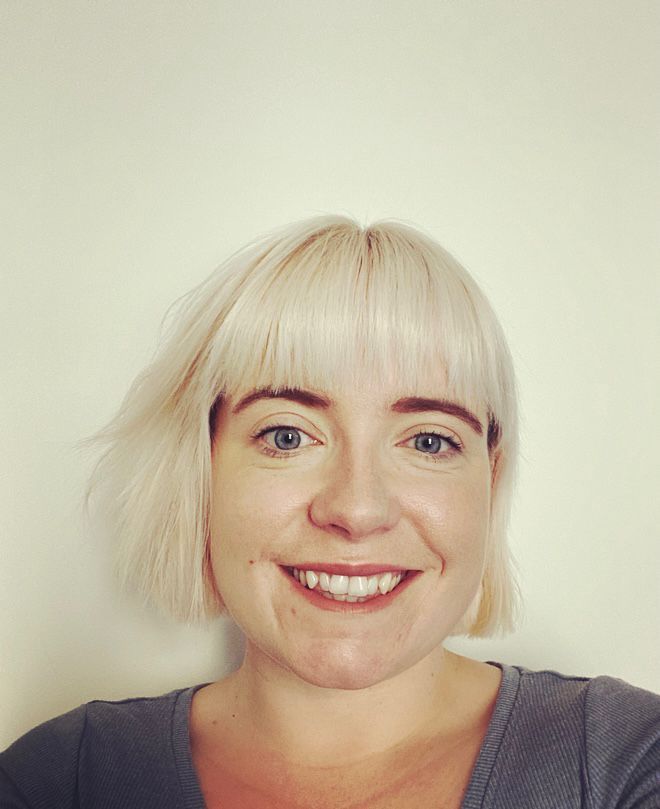
Jessica Craig works the Musicians’ Union, (MU), as ‘Royalties Official’.
Music is for all
Having studied music and being a musician myself, I feel privileged to work for the Musicians’ Union, (MU). Growing up in Coventry and attending a state secondary school, the importance of ‘the arts’ was never promoted and never felt as integral as other subjects.
The idea you could become a musician and make a living seemed too fantastical.
However, at the MU we know working as a musician IS a full time career and we encourage, support and celebrate musicians from all walks of life.
This is why the MU campaigns against musicians being asked to work for free, and works to empower musicians by recognising their work, advising them of their rights and challenging those who try to exploit them.
My role as ‘Royalties Official’ is to ensure any music royalties due to any musician are paid.
The MU pays royalties to any session player or ‘non-featured’ musician who has played on a track which has been synced alongside any moving images, for example a song played in an advert or a film. We also administer royalty payments for some television programmes and music videos. MU royalties are paid to members and non-members, and last year we distributed a record £1.37 million to musicians and their families.
Another part of my role is helping musicians understand their rights, advising on fair terms in contracts and providing the information they need to ensure their music is protected.
In addition, colleagues and I have set up free roadshow events across the UK to highlight the work we do and to speak to musicians one on one about their career needs.
These have been invaluable, with musicians expressing their gratitude for increasing their understanding of music rights and royalties. There are more events to come so look out for information on the union’s website and social media feeds.
Not only does the MU offer to support musicians on an individual basis but the MU is passionate about improving the music industry overall with our campaigns and lobbying work.
Some of these campaigns relate to fixing music streaming and acting against buyouts, however, a vital area the MU is committed to is equality, diversity and inclusion which is crucial in improving the music industry.
This is accentuated by the setting up of our Equality, Diversity and Inclusion (EDI) team who aim to achieve equality for all, taking action against discrimination and educating everyone on best
practice.
The MU knows there are challenges faced by women in music, for example sexism, lack of representation, maternity rights and childcare.
We have a growing Women’s Network for members to raise issues and feed into the union’s work, like the MU’s contribution to the Misogyny in Music inquiry in Parliament and the development of template workplace policies on issues ranging from sexual harassment to breastfeeding.
The union offers legal advice to women and guidance on workplace rights for all musicians.
There is also a scheme called ‘Safe Space’ which gives every musician the opportunity to report instances of sexual harassment, sexism and sexual abuse in confidence. The MU can provide advice and information on support services to those affected.
It’s amazing these matters are at the top of the MU’s agenda, so no-one has to face prejudice or discrimination.
This is strengthened by the appointment of Naomi Pohl as General Secretary, the first woman to hold the post since the MU began in 1893.
It is fantastic to work for an organisation where every musician, whether they are a singer, songwriter, student or music teacher is supported and that the MU is behind them no matter what.
This article first appeared in Engage 27.
BY JESSICA CRAIG • March 4, 2024
Most of us want to leave the world a little better than we found it. Whether that's through the people we love, the values we pass on, or the causes we care about, we all hope our legacy will make a difference. One of the simplest ways to do that is by writing a will. This autumn, we are proud to be taking part in the Change Starts with a Will campaign, allowing our supporters to write or update their will free of charge through our trusted partner, Octopus Legacy. Why writing a will matters Writing a will isn't just about deciding who inherits your possessions. It's about making sure your wishes are respected and providing peace of mind for the people you care about. Having a will means you can: Protect the people you love. Make important decisions about your estate. Reduce uncertainty for your family. Leave a lasting gift to a cause that reflects your values. Many people put off writing a will, believing it's something to think about later in life. In reality, it's one of the most important documents you'll ever create. A legacy that supports education Steve Sinnott dedicated his life to championing education as a fundamental human right. His belief was simple but powerful: every child deserves the opportunity to learn, and every teacher deserves the support they need to inspire future generations. Today, we continue that mission by working with partners across the world to improve access to quality education, strengthen teaching and support communities where education can change lives. When you choose to leave a gift in your will to The Steve Sinnott Foundation, you're helping ensure that this work can continue for years to come. After taking care of family and friends, even a small gift could help provide learning opportunities, strengthen education systems and create brighter futures for generations to come. A gift that lasts beyond a lifetime Legacy gifts play an important role in helping charities plan for the future. Your support could help us continue investing in sustainable education projects, supporting teachers and ensuring more children have access to the education they deserve. It's a powerful way to ensure your values live on long into the future. Write your will for free As part of our Autumn 2026 campaign, we're offering supporters the opportunity to write or update their will free of charge through Octopus Legacy. There is no obligation to leave a gift to The Steve Sinnott Foundation, but we hope you'll consider remembering us after you've taken care of those closest to you. Together, we can continue Steve Sinnott's vision of a world where education changes lives. Find out more If you've been thinking about writing your will, there's never been a better time. Our free will service is available until 31 October 2026 , making it easy to protect the people you love while considering the lasting impact your legacy could have on education worldwide. https://octopuslegacy.com/online-will?channel=partner Change starts with a will. And together, we can help create a future where education is accessible to everyone.
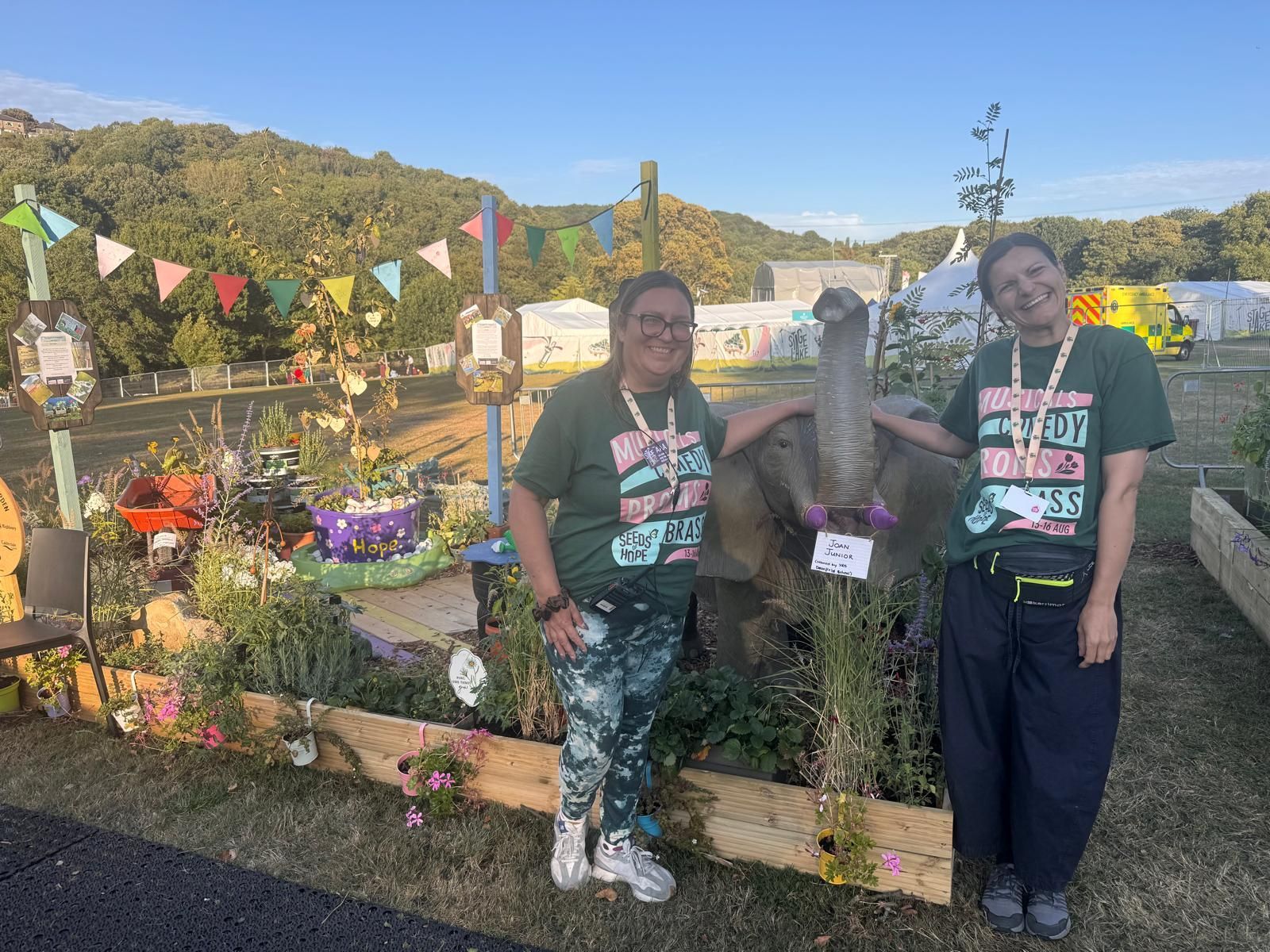
Seeds of Hope are everywhere! “I wasn't quite sure what to expect when I arrived at Stage at the Lake…” But it was special to meet all of the Calderdale team in person, who had brought this four-day event together so successfully. Sometimes an event stays with you long after the final performance has finished. My visit to Stage at the Lake at the beautiful Shibden Hall in Calderdale was one of those occasions. As UNESCO ASPnet UK Coordinator, I was delighted to be invited as a guest, but what I experienced was much more than simply attending an event. Here, in the grounds of a house steeped in history, the past, present and future seemed to meet. The English Chamber Orchestra filled the setting with music, Northern Ballet brought movement and storytelling to life, and throughout there was a wonderful sense of creativity, community and possibility. And then there were the parklets; a unique gardening festival at Shibden Park celebrating community, creativity and the power of nature to bring people together. At its heart was a specially commissioned trail of ten micro show gardens, designed and built by community groups from across Calderdale. It was wonderful to see spaces where ideas, conversations and creativity were flourishing and connecting through Seeds of Hope. I cannot wait to see them transported to their ‘forever homes’. Standing there, I found myself thinking about what we mean when we talk about education, culture and hope.
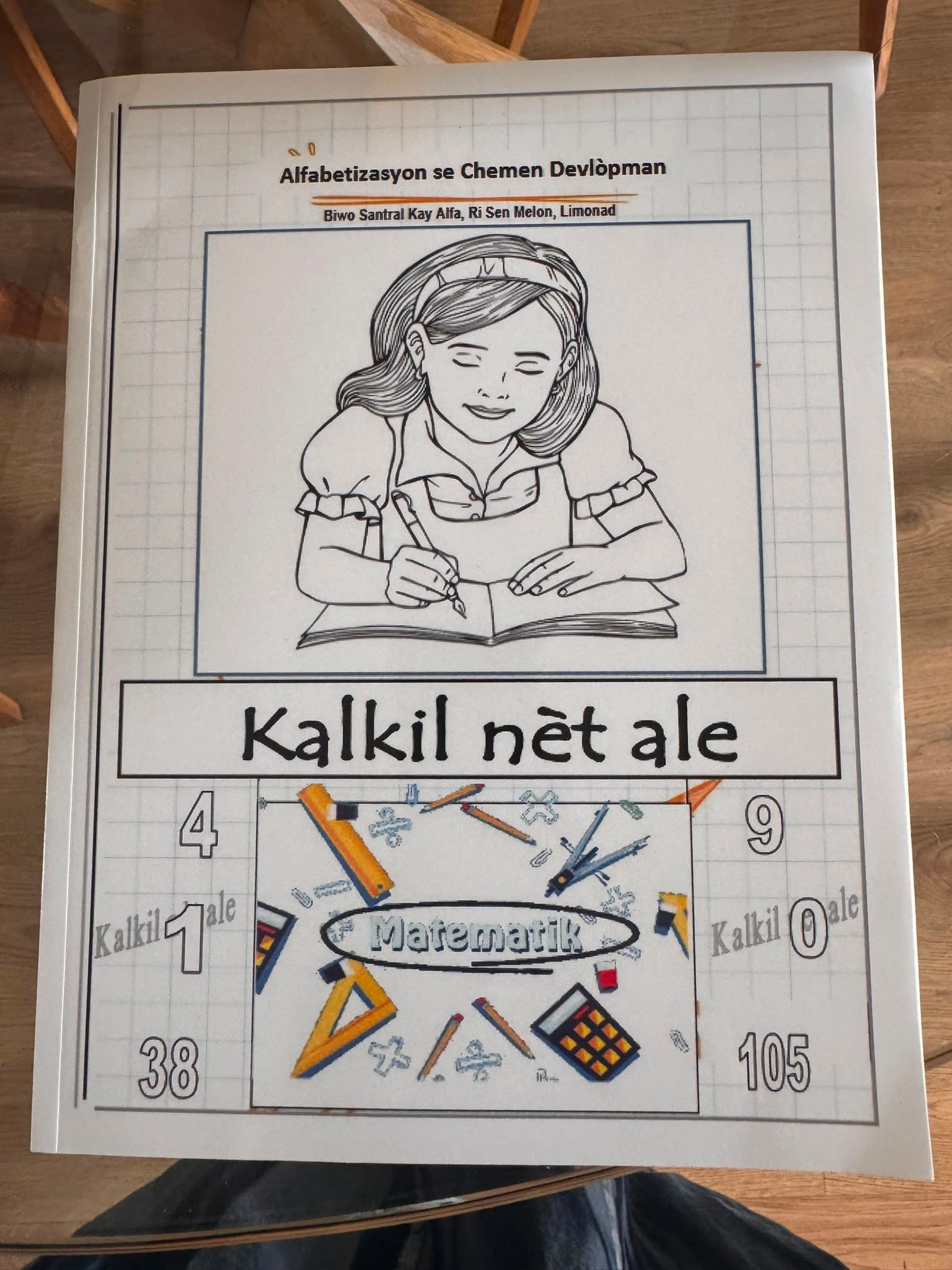
2025 During the annual fomasyon for Alfa monitors, Antoliyis Pye gave an extensive presentation on how best to introduce and develop basic math concepts in literacy classes. The response to his insight and enthusiasm led to our decision to create our own math book for Alfa participants. In Haiti and around the world, illiterate market women and peasant farmers develop their own techniques for calculating and recording numbers. However, in providing literacy for the development of our people, we must also introduce the world of conventional numeracy. These skills lead to logical thinking, problem-solving, and the ability to interpret and make informed decisions on numerical evidence. For a year we worked together to draft the contents of our Alfa Liv Kalkil, seek illustrations, create layout, and finally take our product to the local printer. Funds were provided for 350 copies, enough for each Alfa participant at each of our sites at the present level of attendance. 2026 Our next step was to fully engage each Alfa monitor in the process for introduction and use of Liv Kalkil in Alfa classes. Our two day fomasyon for 2026 was dedicated to ensuring that each member of our team was familiar with the book and comfortable in implementing the concepts with Alfa participants. The sessions were a great success. Every monitor was extremely pleased with this new tool which will allow them and their classes to work together in the world of mathematics. Liv Kalkil is now in service for every participant throughout Alfa, from Limonade itself out to sites in the hills and along the river. It is with some excitement that the monitors and participants are beginning to use our very own, home-grown, math book. In the same way that we already had Goute Sel*, Lekti Netale*, Ti Koze Sou Istwa Peyi Dayiti*, we are proud to have this math book which advances our shared work for the development of our people. We are profoundly grateful to all those who have encouraged and supported us in developing this book. We want to thank our dedicated team of monitors, the Alfa support team in Columbus, Ann Beatty and the Steve Sinnott Foundation, and the many others who contribute to our literacy programme. Chancy Jak (Alfa Co-ordinator) Antoliyis Pye (senior monitor) *Goute Sel: Taste of Salt (base text for Alfa literacy classes) *Lekti Netale (reading comprehension) *Ti Koze Sou Istwa Peyi Dayiti (stories from Haitian history; Alfa second level)