Evaluation of our projects – a SEN school in The Gambia

Our CEO Ann Beatty is currently visiting our partners and the projects we support in West Africa to assess the impact the Foundations work is having on the provision of accessible education.


The first stop on this tour is The Gambia where Ann had the privilege of visiting the Methodist Special Educational Needs (SEN) School in Banjul. The school has 400+ students who attend the school.


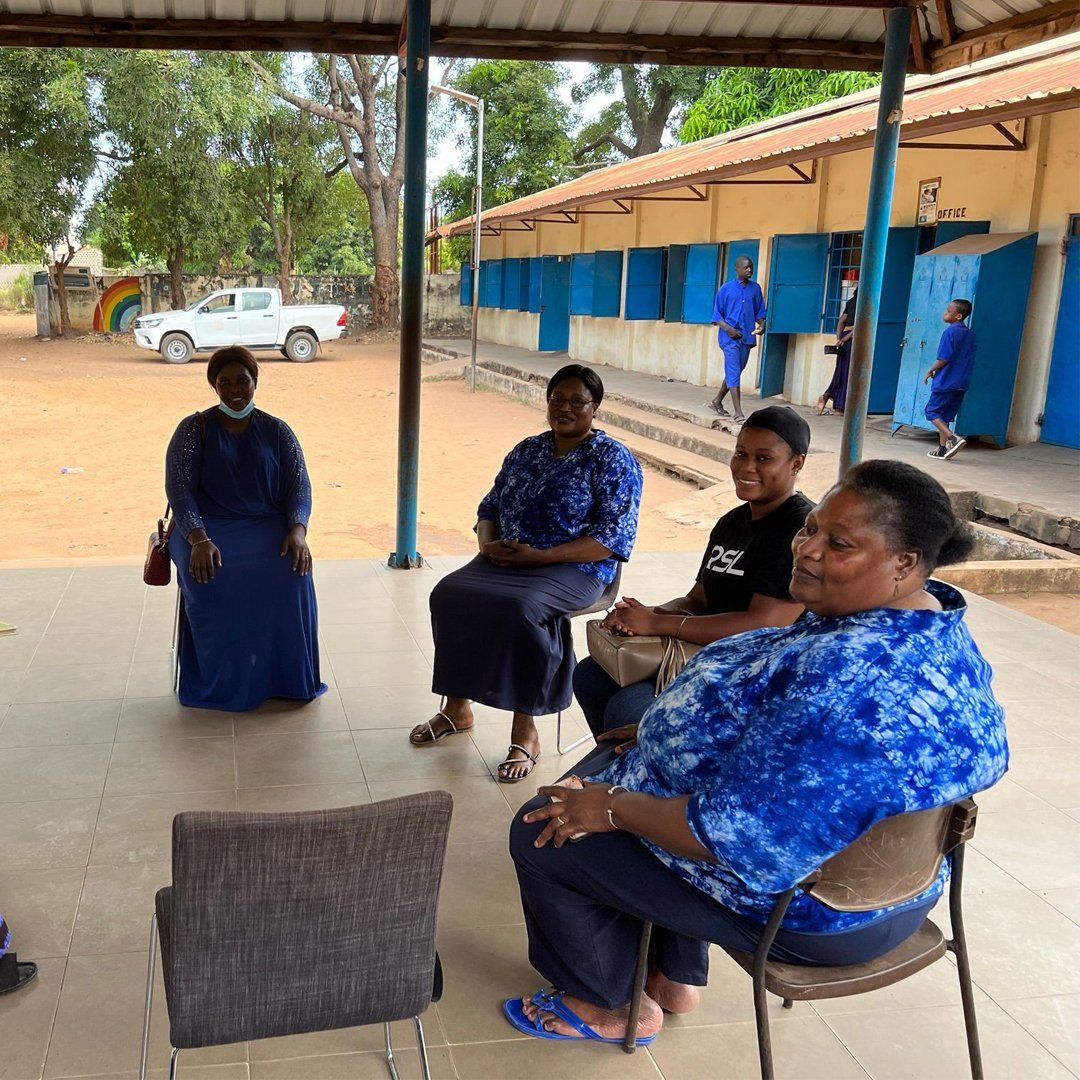
Ann met the headteacher, Lucy, and several of the teachers who had recently attended the three day SEN and gender-based violence training hosted by the Gambia Teachers Union (GTU), which was supported by the Foundation. Ann met with the teachers who shared how beneficial the training was for them and how they have implemented some of the learning in practice at school.


Attendance at the school is excellent overall but they have recently had problems with one of the vehicles that collect the students each day. We are looking into how we may be able to support with this, as if the students do not have transport to attend school, then they just stay at home.


We met teacher Ousman who is deaf and dumb and develops all the learning resources for the school as well as teaching sign language.
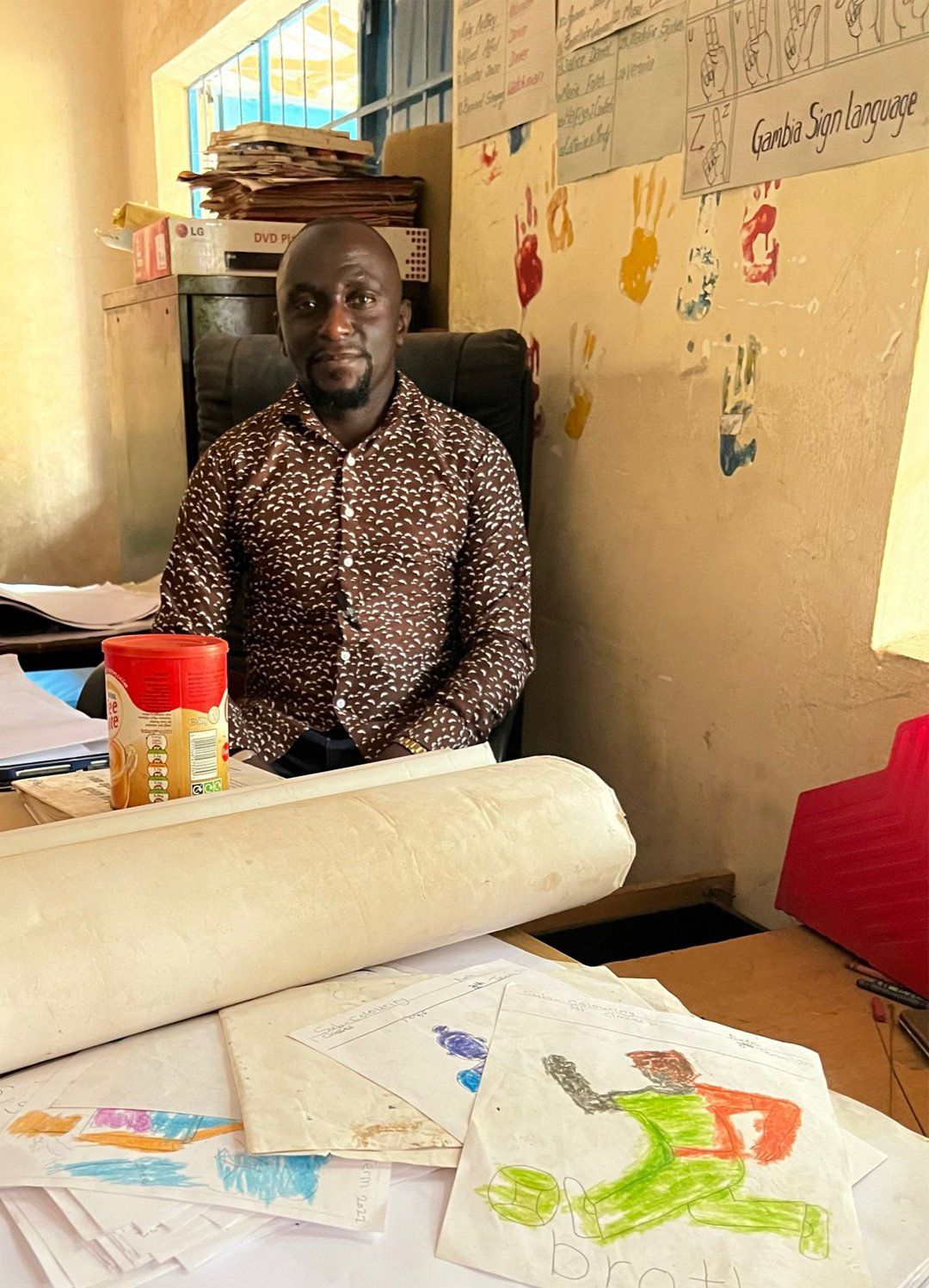

The goal is to ensure that students are able to attend mainstream school but depending on the learning needs this is not always possible. Ann told us that in addition to the fantastic programme of education the teachers provided she could really feel the love and the care that the teachers felt for their students.⁠ It was inspiring to meet teachers who have such passion and care for their students despite the complex needs of the children in their care and the challenging environment.
  • Slide title

    Write your caption here
    Button
  • Slide title

    Write your caption here
    Button
  • Slide title

    Write your caption here
    Button
  • Slide title

    Write your caption here
    Button
  • Slide title

    Write your caption here
    Button
  • Slide title

    Write your caption here
    Button
  • Slide title

    Write your caption here
    Button
  • Slide title

    Write your caption here
    Button
  • Slide title

    Write your caption here
    Button


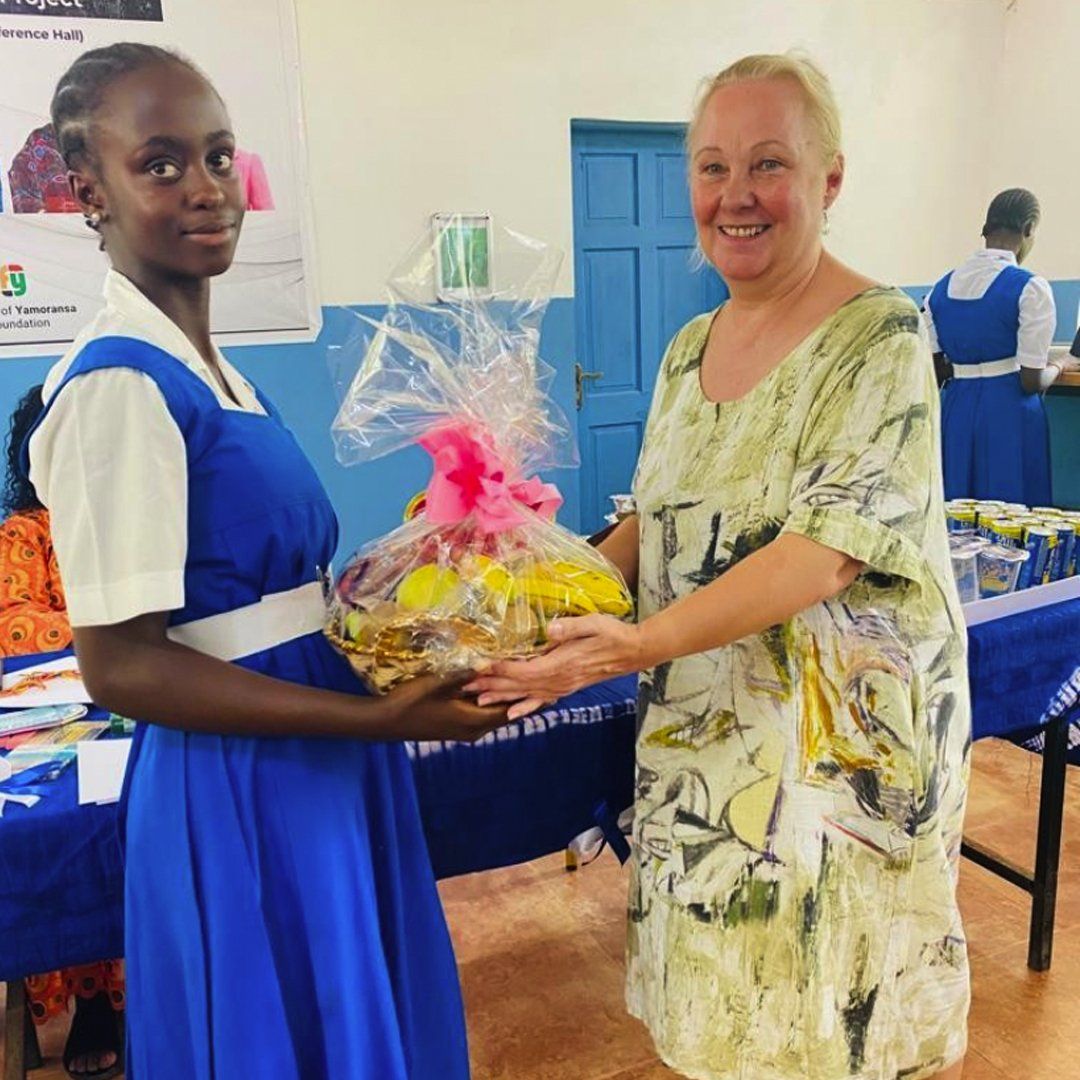
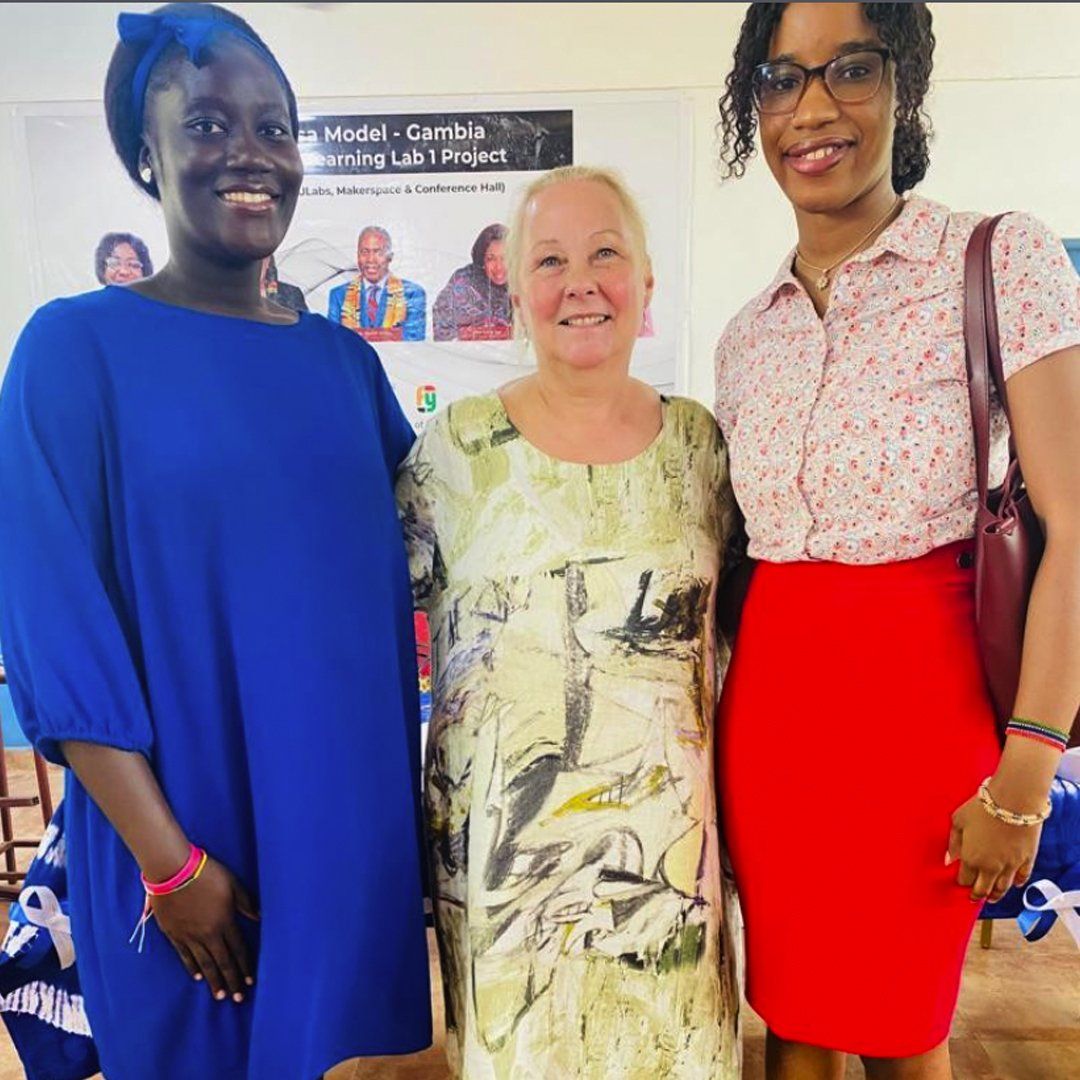
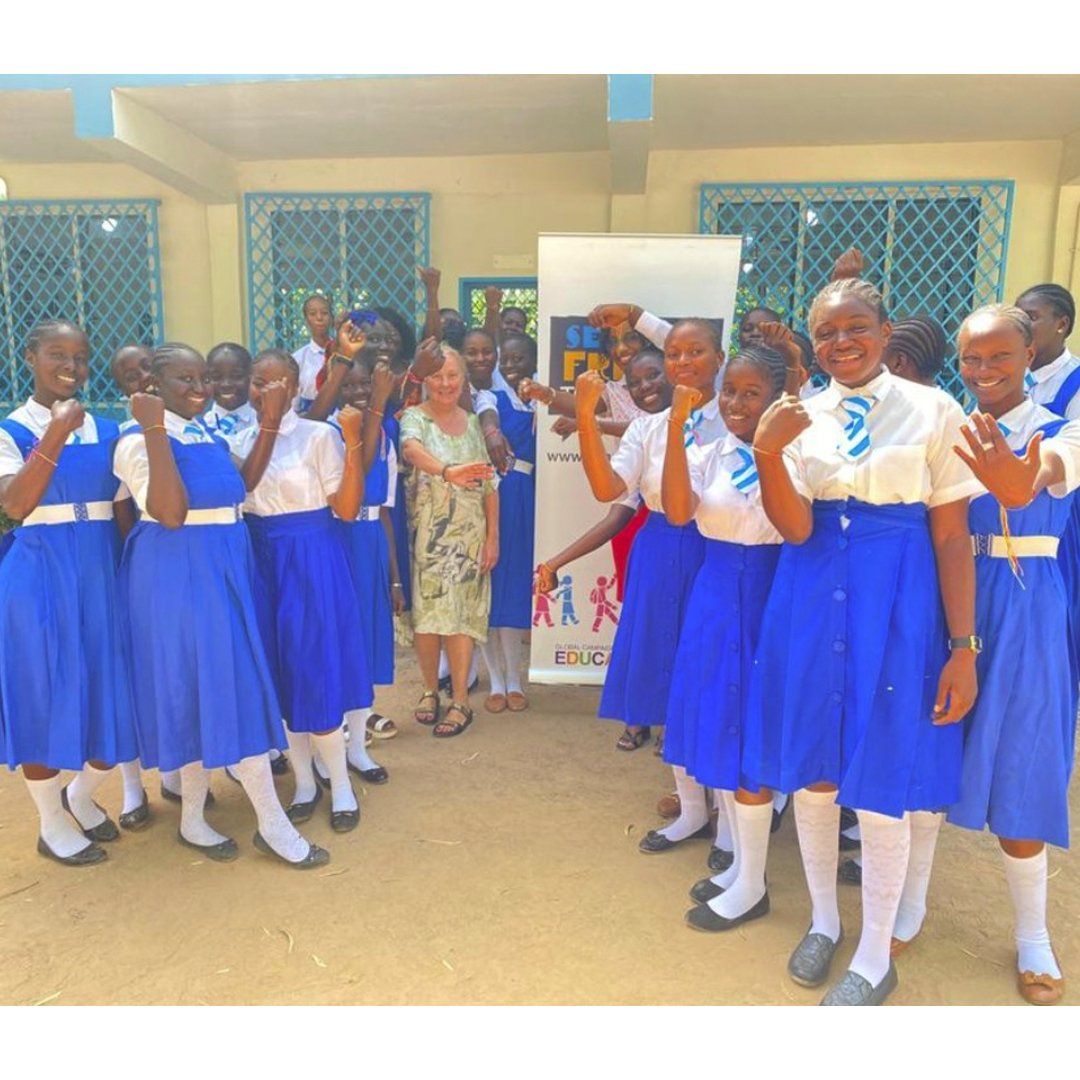
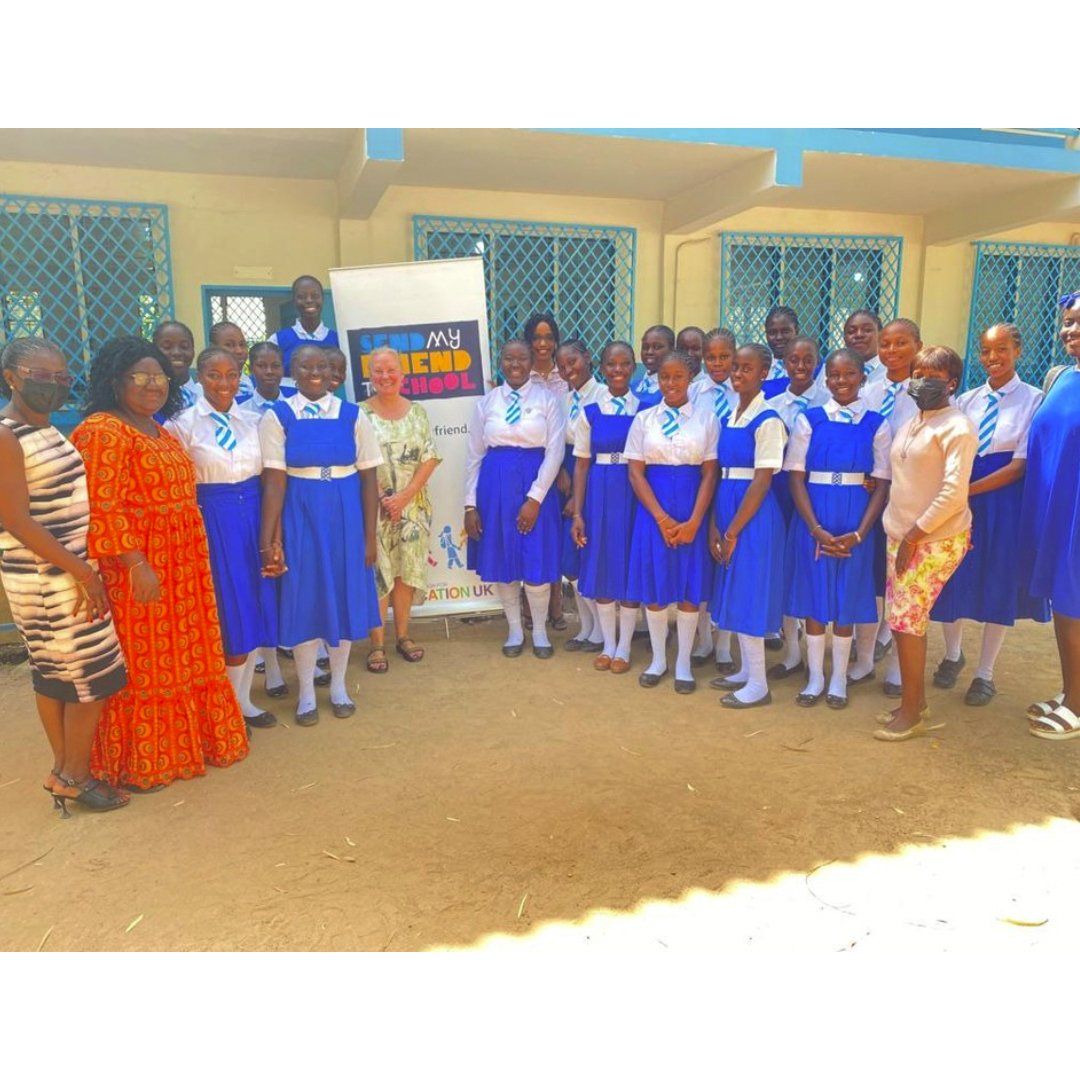
The following day Ann and the GTU Gender Officer, Janet, spent the day with 20 SSF Young Ambassadors at St Joseph’s School. Headteacher Ms Koker and Ms Silver joined the group for Tai Chi and the ‘Changemakers Speak Out: The School I want to Learn in’ workshop. We also spent time learning about the campaign work that the ambassadors have been involved in and thinking about how they can inspire other young people to become involved to campaign for #EduactionforAll.


It was a lovely surprise to meet up with Therese and Fatmatta SSF Young Ambassadors who supported the Send My Friend to School Campaign in 2017⁠. They shared their experience of coming to the U.K. and campaigning for EducationforAll. We also saw some of the creative crafts that the students have been working on together, and shared friendship bracelets as a sign of sisterly solidarity campaigning for #EducationforAll⁠.


These inspiring young women are making a difference in their communities and we are proud to support them!
Steve Sinnott • November 27, 2022
By Ann Beatty June 1, 2026
On Friday evening ( 29 May, 7.00 pm The Actors Church Covent Garden) we had the pleasure of listening to this very special concert, bringing together the Choir of King's College London and the Princeton High School Orchestra in a celebration of international friendship, collaboration, and shared values. This project reflects a commitment to peace, sustainability, equality, and cultural exchange, uniting young musicians from the United Kingdom and the United States through the universal language of music.
By Ann Beatty May 20, 2026
How a simple act of practical solidarity is transforming the journey to school in The Gambia’s Central River Region North Policies have been written. Schools have been built. Yet for many children in The Gambia’s Central River Region North, access to education is still measured in kilometres, not opportunity. 
By Laura Griffin May 13, 2026
‘In a single hour vast tracts of shaded woodland became a jumble of torn trees and upturned soil, exposed to the glare of the summer sun. Such land-clearing events are rare, but forests exhibit remarkable resilience in the face of disaster. I’m told that the Chinese character for ‘catastrophe’ is the same as that which represents the word ‘opportunity’. And, the blowdown, while catastrophic, presented opportunities for many species.’ (Wall Kimmerer, 2003: 89). In the context of a volatile, uncertain, complex, and ambiguous world (Stein, 2021) what kinds of education for hope might support children’s and young people’s critical engagement in local and global issues? In the spirit of exploring the possibilities of hope further, this short article focuses on the area of global citizenship and sustainabilityrelated education. It will briefly open by sharing commonalities across pedagogical approaches that take up the concept and act of hope more critically, and close by offering reflective questions for educators, with suggestions for further reading. Perhaps it is a kind of hope that is grounded in the present, in future reimagining(s), in ethical solidarity, and an acknowledgement of our deep entanglement with the living metabolism of planet earth 1 our singular home (UNESCO, 2021); a hope that engages with complex root causes and lived realities of multiple overlapping crises in critically reflexive and contextually relevant ways. As McCloskey notes, ‘Hope can fire our collective imagination and critical consciousness as a mainspring to activism and intervention in the world.’ (2025: 3). Commonalities across critical pedagogical approaches to hope include: Acknowledging the context of a ‘seamless single story of progress, development and human evolution’ (Andreotti, V.D.O., 2021b Relating to social and ecological justice and the wellbeing of people and planet Using participatory, action-orientated and inquiry-based learning processes Exploring diverse worldviews and perspectives Practising grounding in the present with opening up possibilities for change (relational, embodied, response-able 2 ) Experiencing ‘struggle’ in different forms (dialogical, selfreflexive, open-ended) Engaging individual and collective agency, action and activism Looking for lifelong and life-wide learning and unlearning. 1 See ‘Co-sensing with Radical Tenderness’, in Machado de Oliveira Andreotti. 2021a 2 See ‘Crossing Borders’ in 2 Depth Education “Depth Education and the Possibility of GCE Otherwise, 2021b. Source: Andreotti, V. 2021a & 2021b., Atif, A. (2025)., Bourn, D. 2021., Bryan. A. and Mochizuki,Y., 2024., Giroux, H.A. 2025., Meade, E. 2025. Whilst engaging in the concept and act of hope more critically reflect upon: What kinds of education for hope might you explore further and why? How might you provide generative spaces for engaging in diverse worldviews and perspectives? In what ways can you facilitate individual and collective agency? How might you support learners’ practice grounding in the present in order to relate differently? In what ways can you support learners in navigating complex root causes and lived realities of local and global issues? As Chief Ninawa Hini Kui affirms, ‘The future depends much less on the images we project ahead than on our capacity to repair relations and build relationships differently in the present.’ (Andreotti et al, 2023: 73. An invitation for further reading: Transformative Learning for a Sustainable Future . d’Abreu, C., Belgeonne, C., Bourn, D. and Hatley, J. (2025) ‘Transformative Learning for a Sustainable Future’. DERC Research Paper 24. London: UCL Institute of Education. Hospicing Modernity: facing humanity’s wrongs and the implications for social activism. Machado de Oliveira Andreotti, V. (2021a) ‘Hospicing Modernity: facing humanity’s wrongs and the implications for social activism’ , London: Penguin Random House. Development Education and Hope . McCloskey, S. (2025). (ed) ‘Development Education and Hope’. ‘Policy and Practice: A Development Education Review’ , Vol. 41, Autumn. Centre for Global Education, Belfast. Link to and download the full reference list here