What happens when creativity, young people, education and community come together?
Seeds of Hope are everywhere!
“I wasn't quite sure what to expect when I arrived at Stage at the Lake…” But it was special to meet all of the Calderdale team in person, who had brought this four-day event together so successfully.
Sometimes an event stays with you long after the final performance has finished. My visit to Stage at the Lake at the beautiful Shibden Hall in Calderdale was one of those occasions.
As UNESCO ASPnet UK Coordinator, I was delighted to be invited as a guest, but what I experienced was much more than simply attending an event. Here, in the grounds of a house steeped in history, the past, present and future seemed to meet.
The English Chamber Orchestra filled the setting with music, Northern Ballet brought movement and storytelling to life, and throughout there was a wonderful sense of creativity, community and possibility.
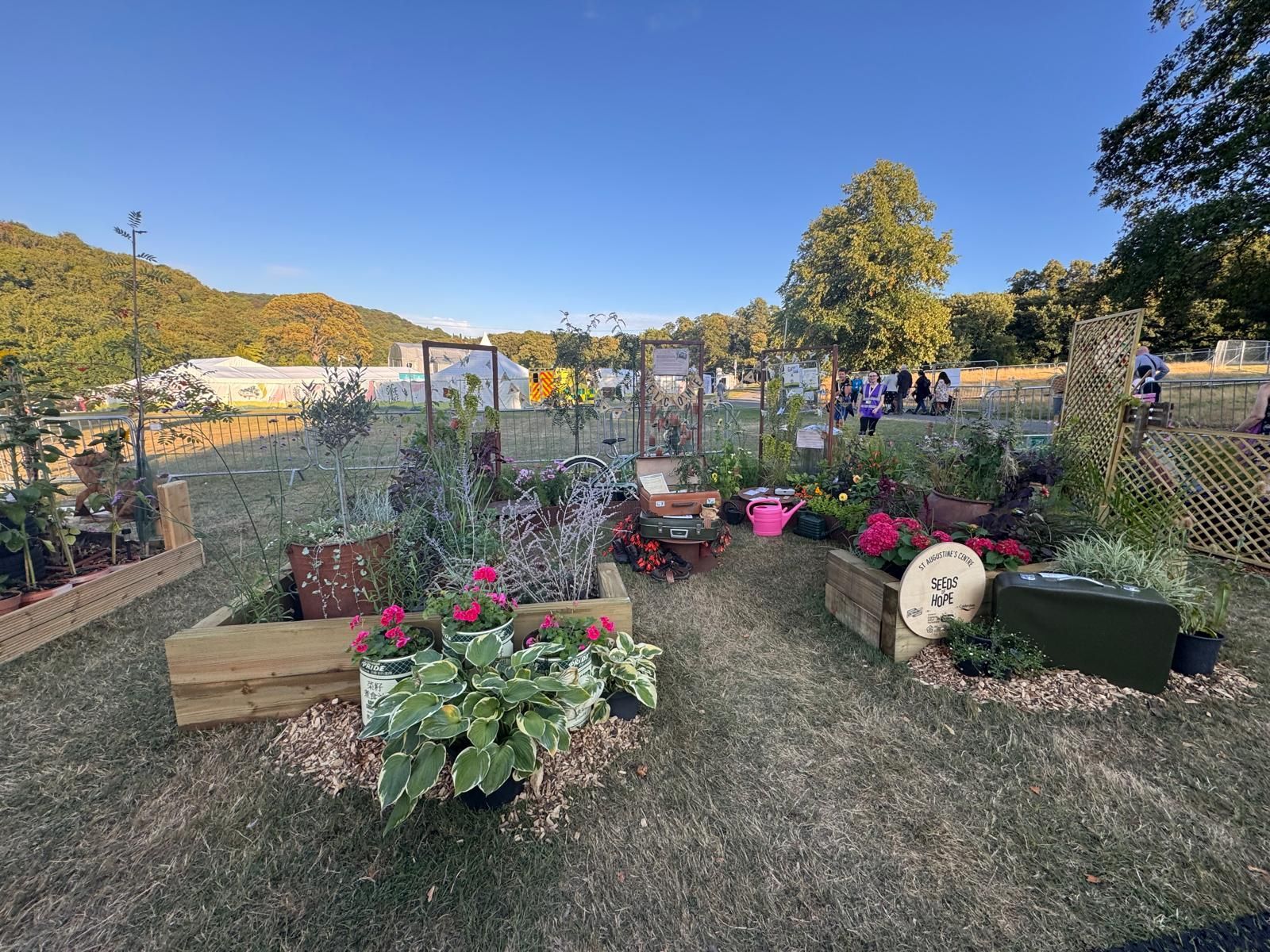
And then there were the parklets; a unique gardening festival at Shibden Park celebrating community, creativity and the power of nature to bring people together.
At its heart was a specially commissioned trail of ten micro show gardens, designed and built by community groups from across Calderdale. It was wonderful to see spaces where ideas, conversations and creativity were flourishing and connecting through Seeds of Hope. I cannot wait to see them transported to their ‘forever homes’.
Standing there, I found myself thinking about what we mean when we talk about education, culture and hope.
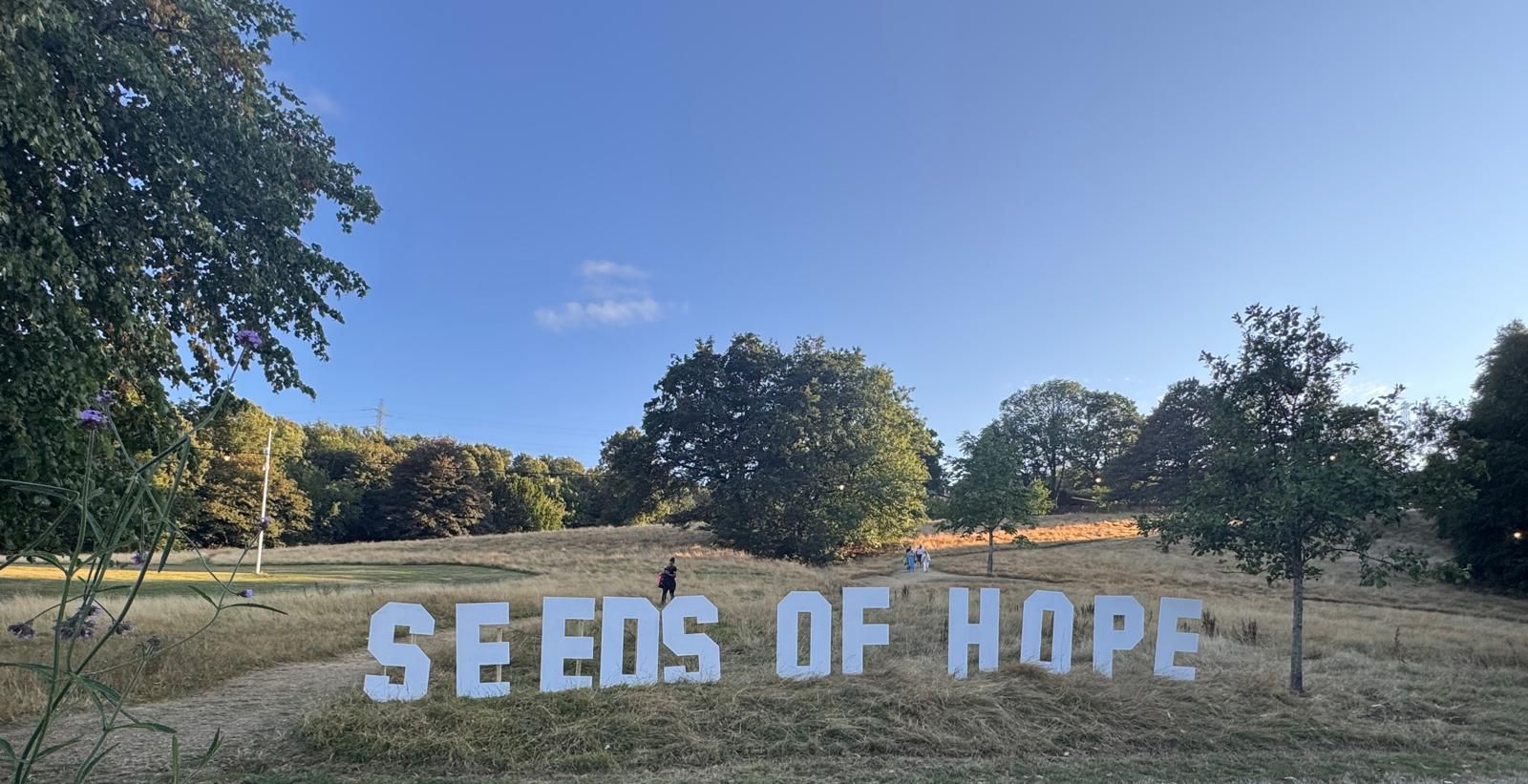
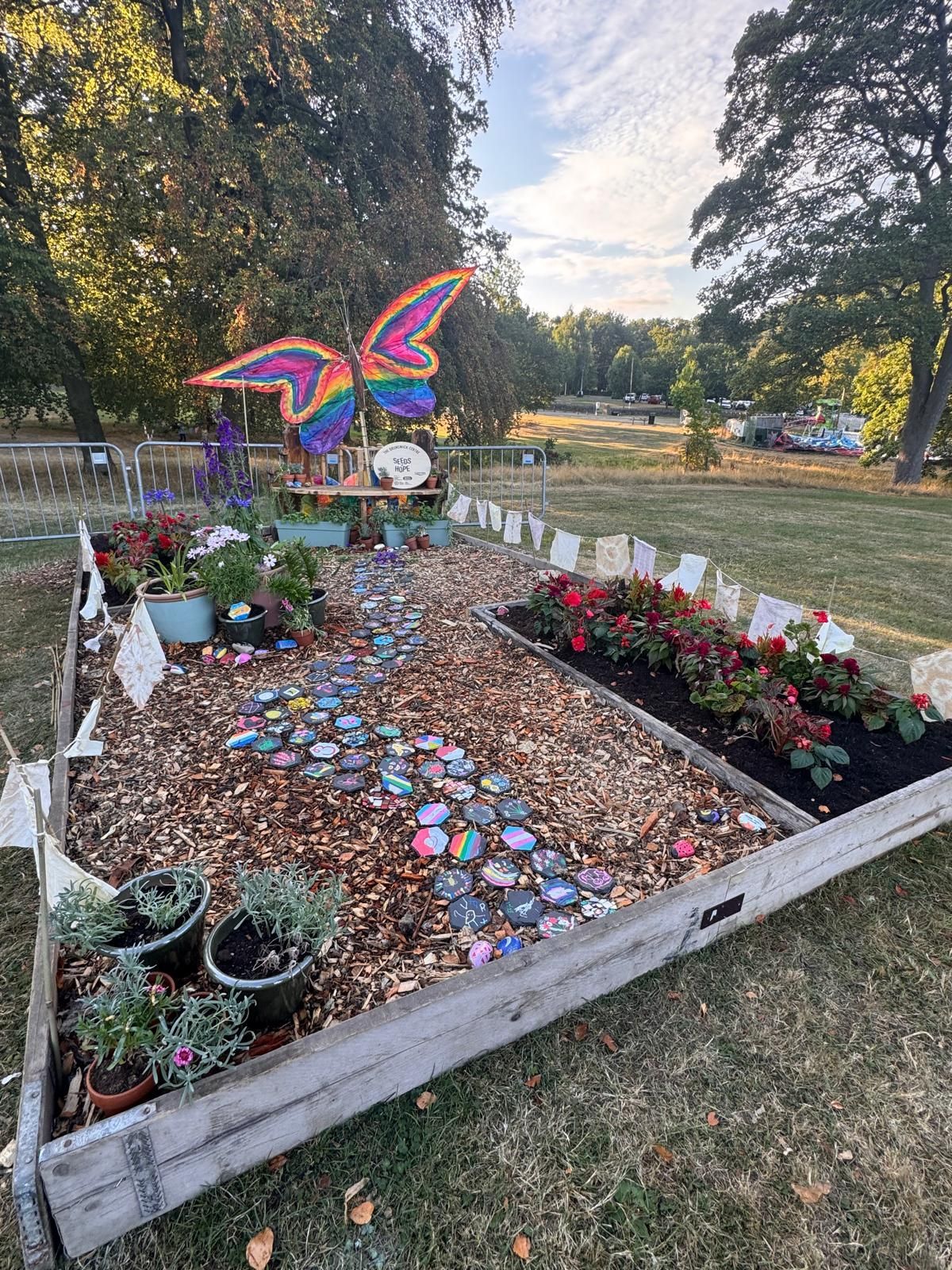
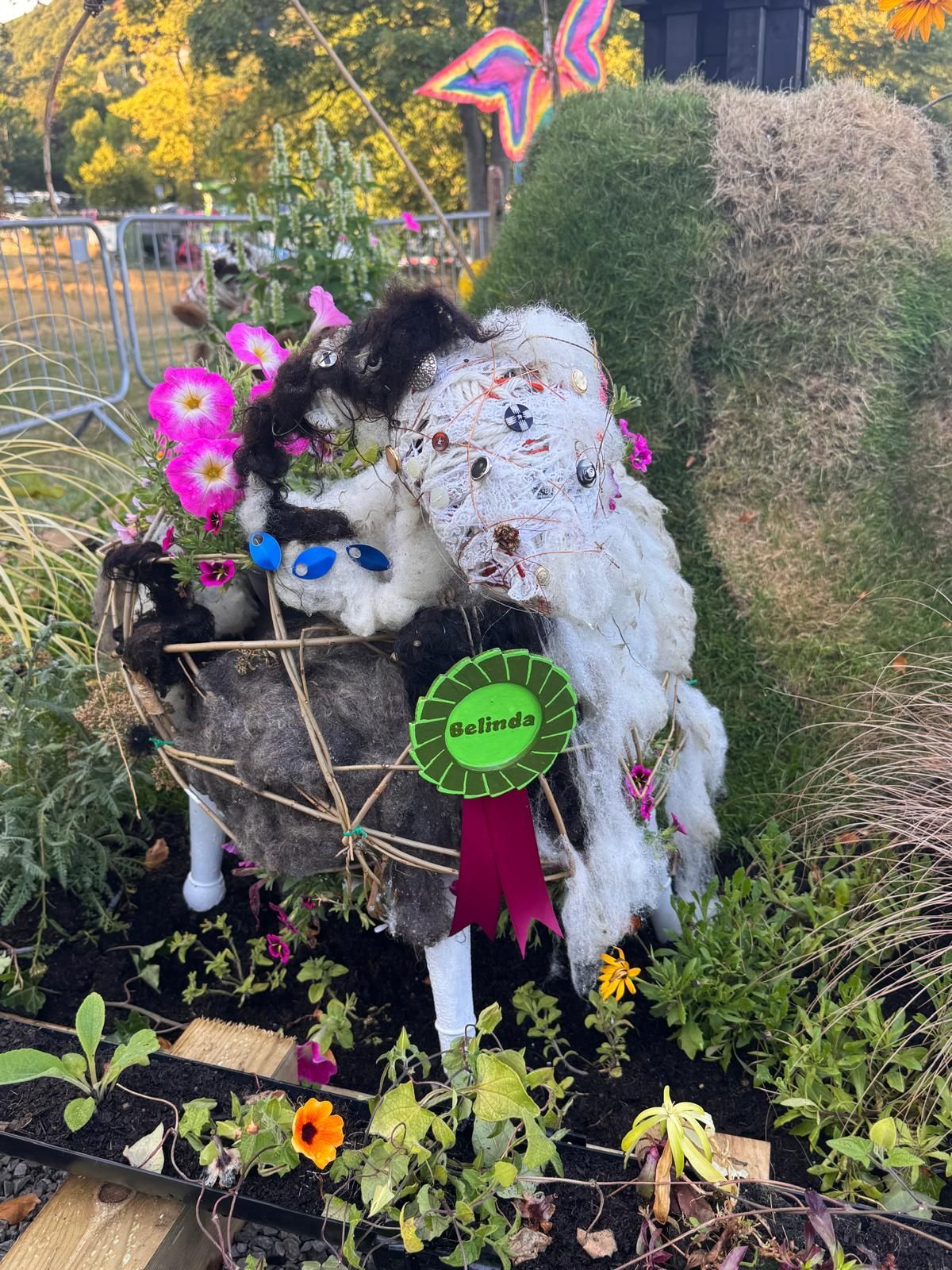
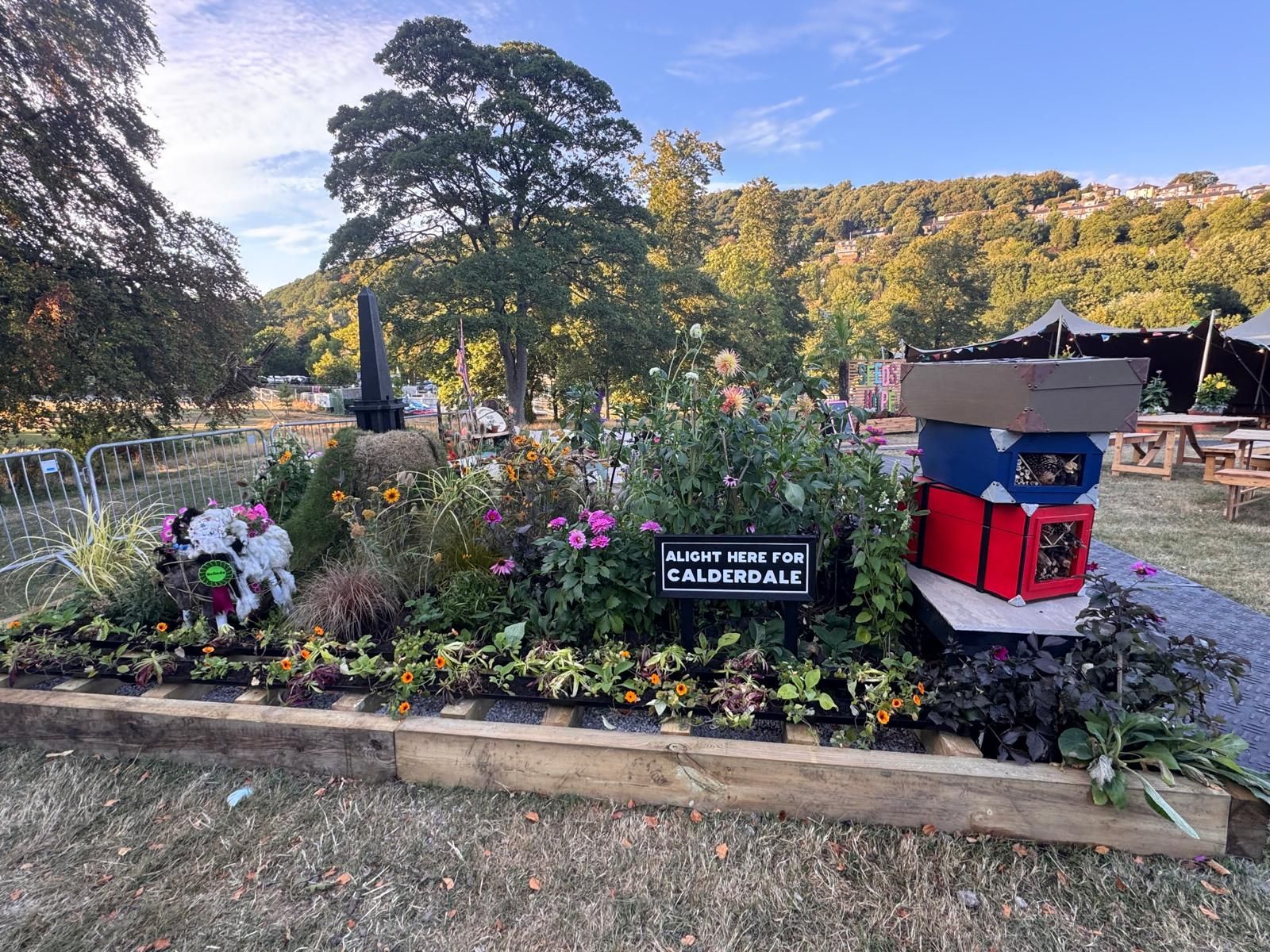
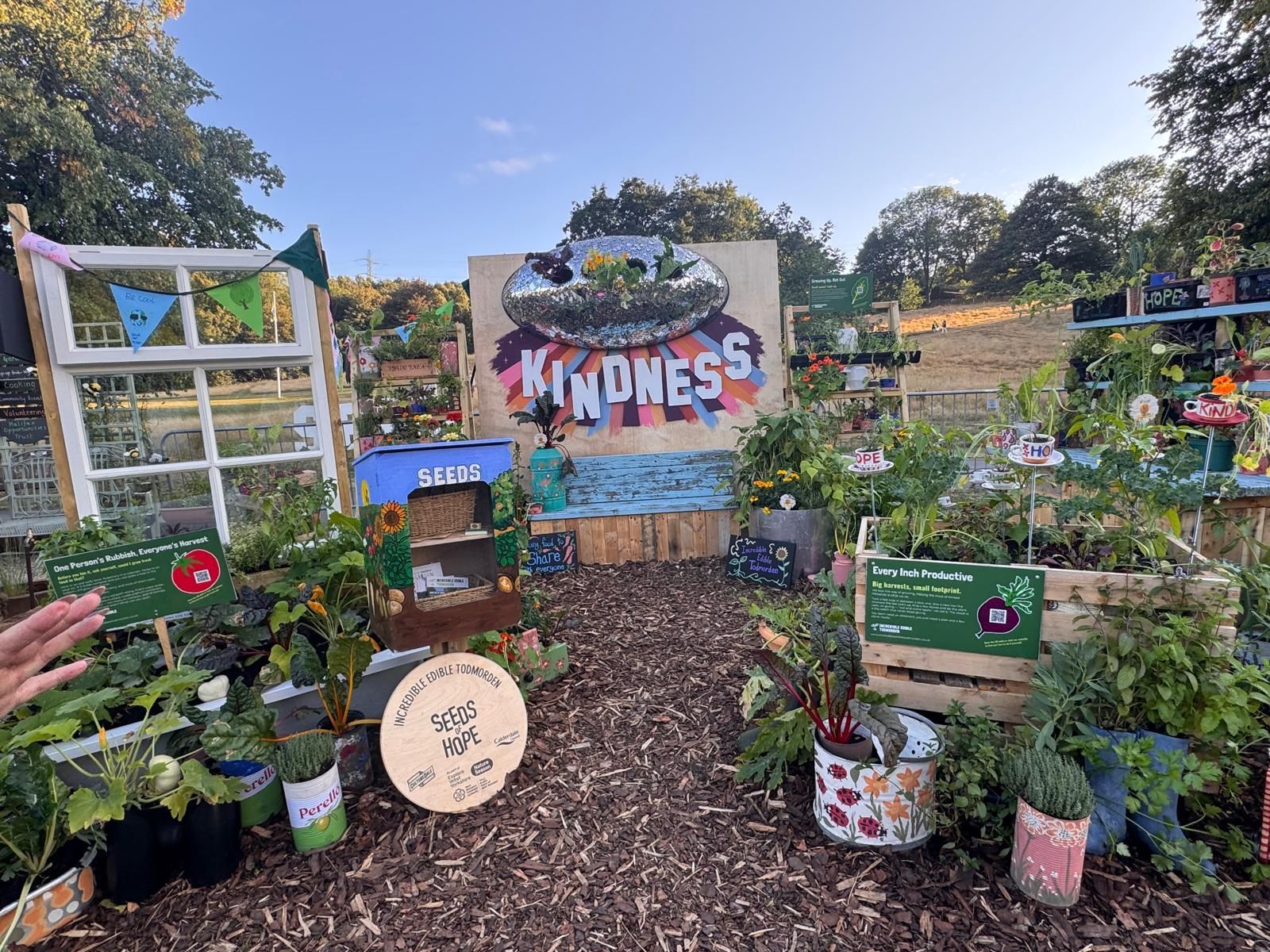
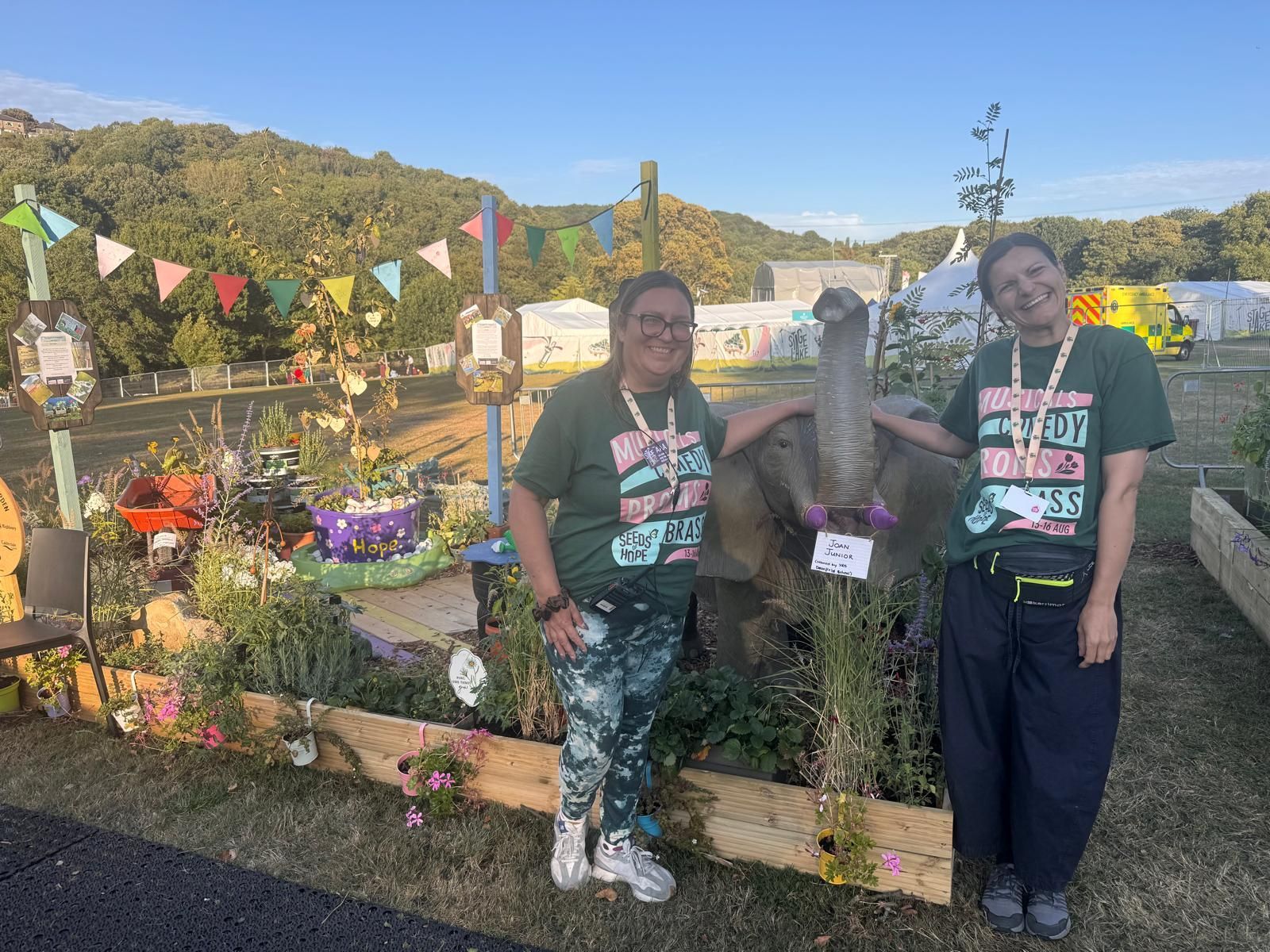
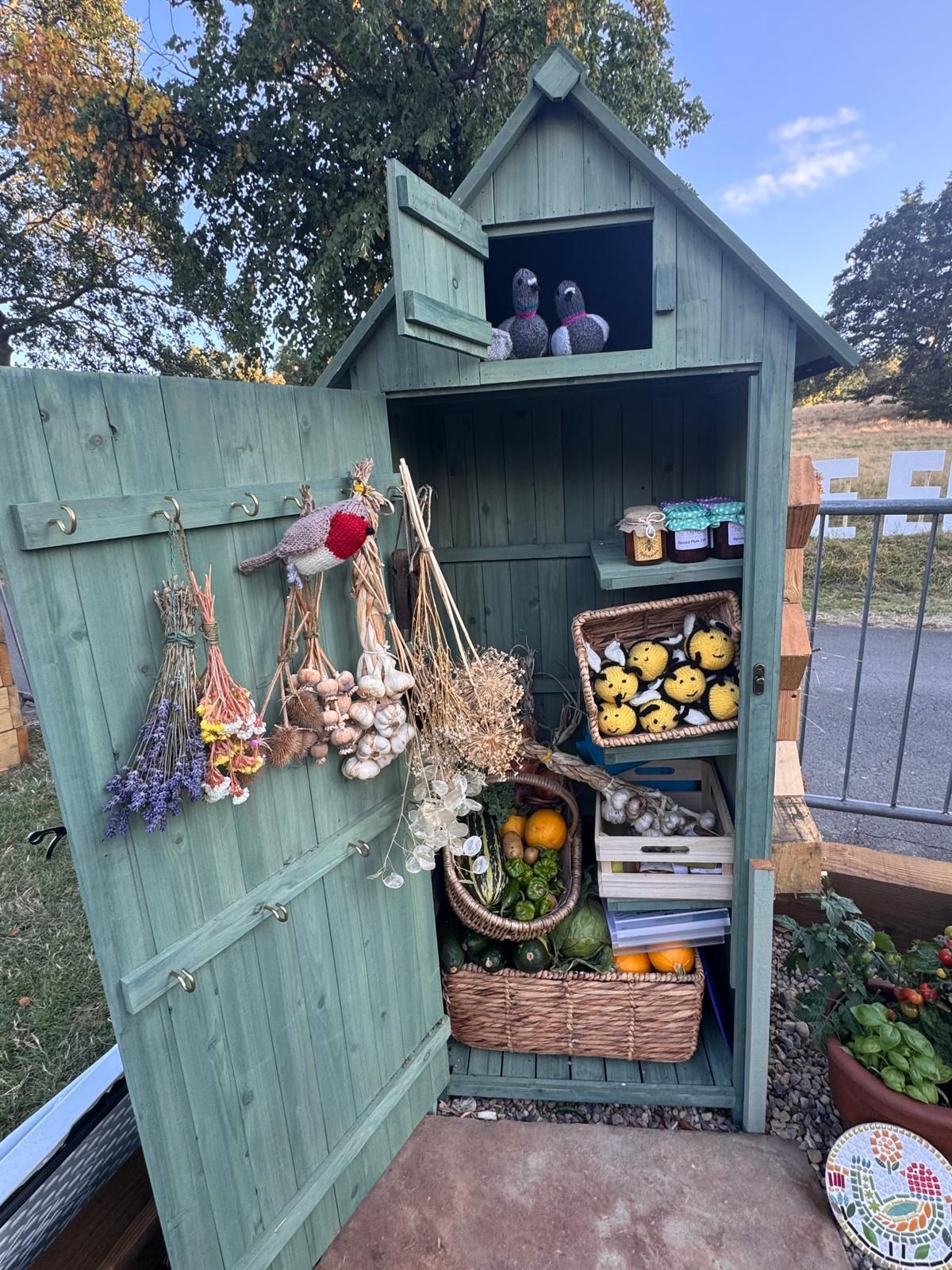
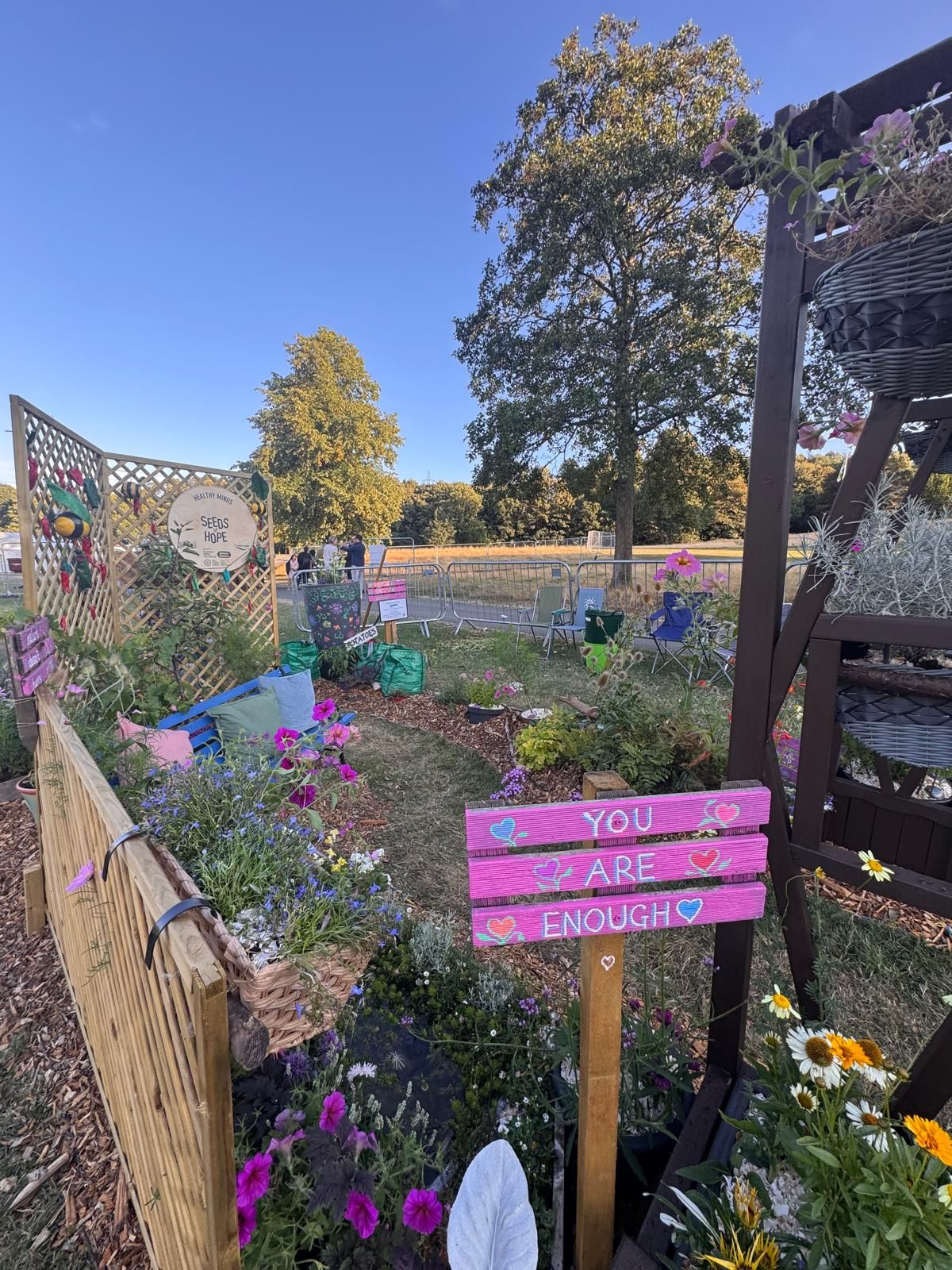
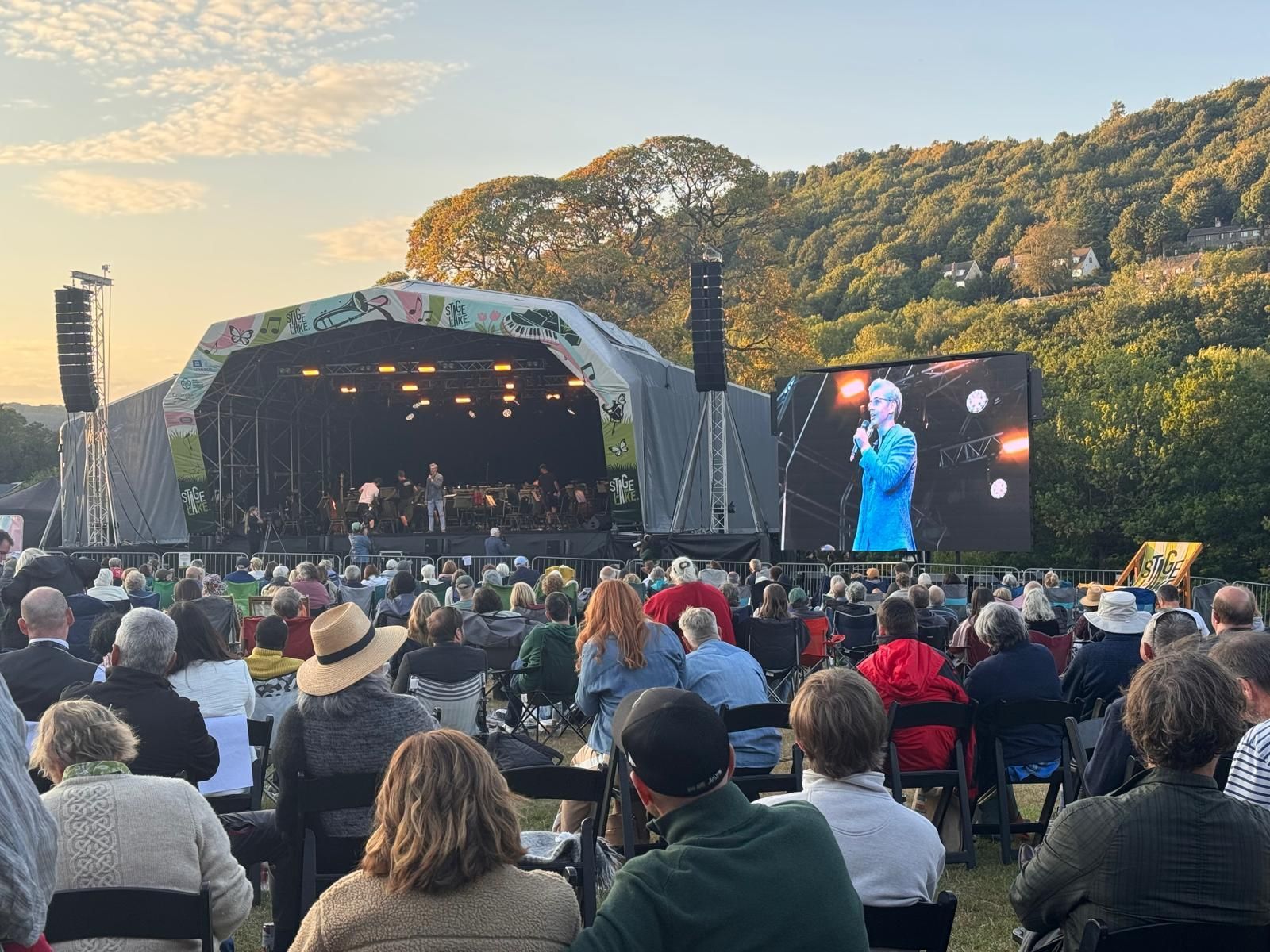
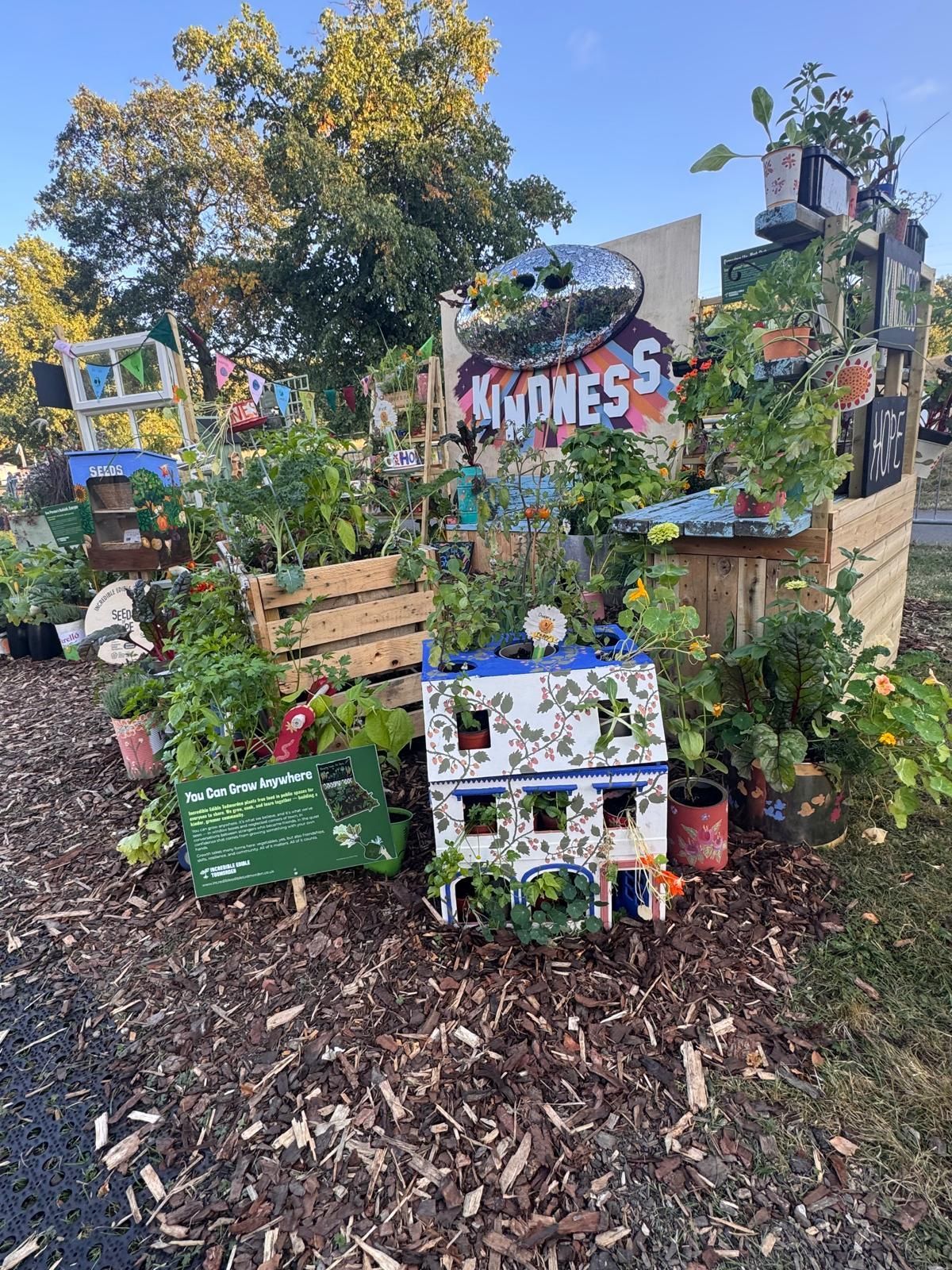
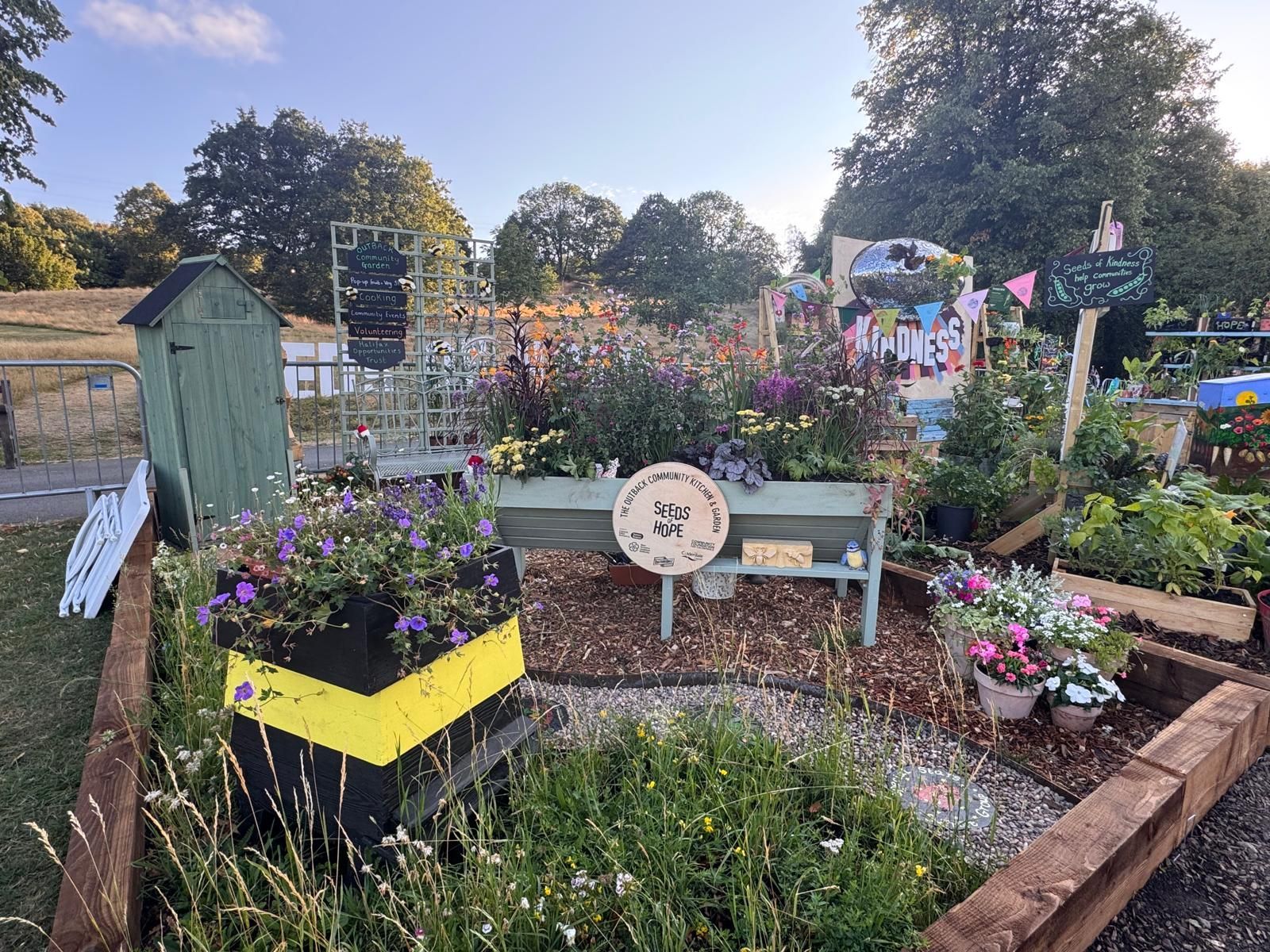
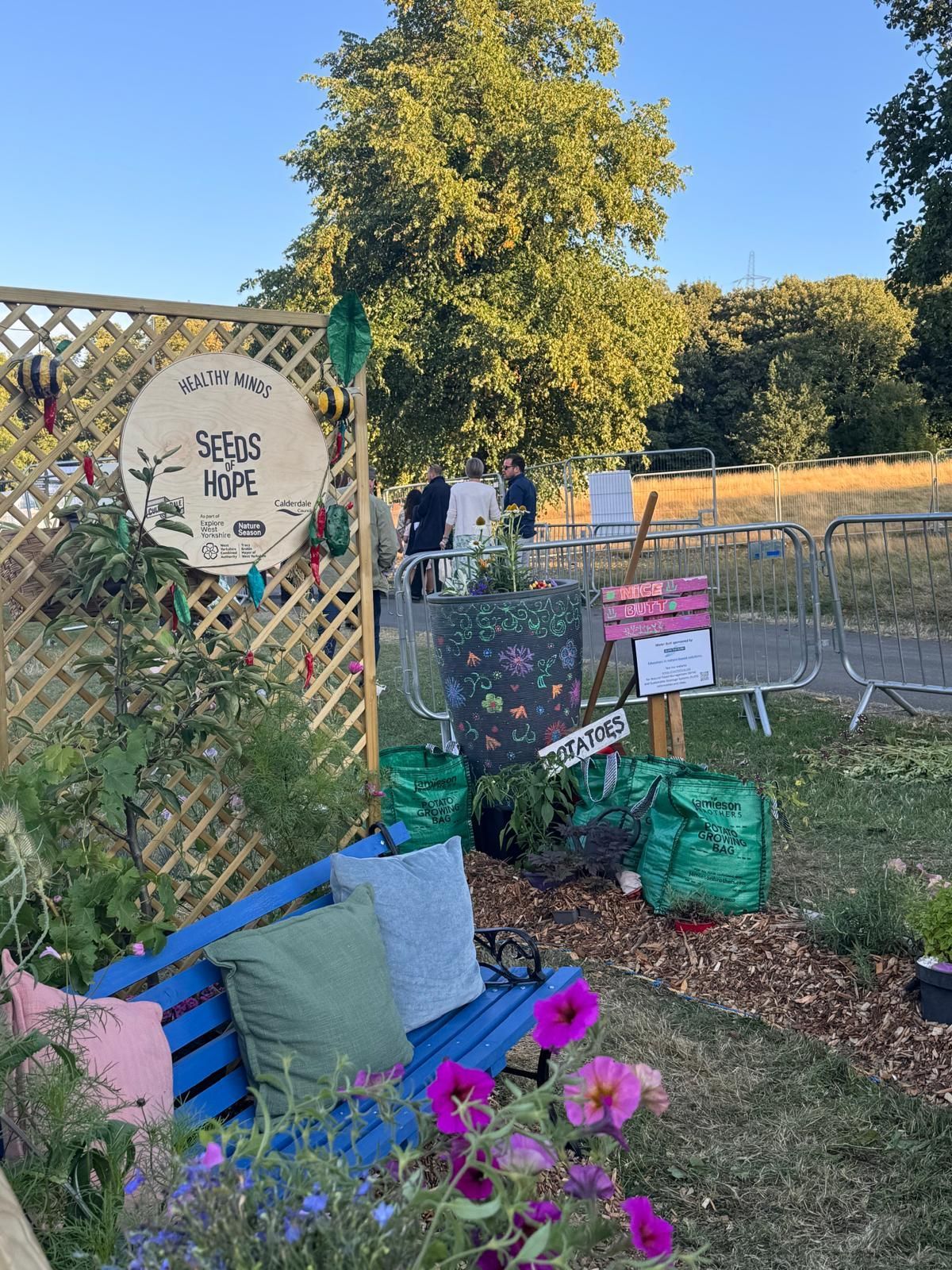
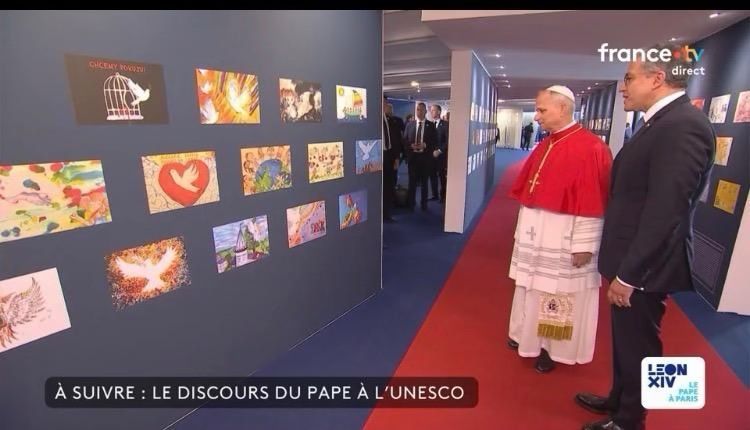
The UNESCO ASPnet Seeds of Hope is not simply a competition. It is an invitation to young people to imagine the future they want to see and to give those ideas a voice. Through the programme, young people and communities are asking us to look forward and imagine what comes next.
I also had the incredible opportunity to visit Shibden Hall and learn more about Anne Lister and her diaries.
I had read about Anne Lister. I knew about the diaries, the secret code and the relationships that have made her such an important figure in women's and LGBTQ+ history. But standing in the library gave me a different perspective. You could feel another Anne Lister emerging; not only the woman whose relationships have understandably attracted so much attention, but the reader, thinker, traveller and lifelong learner.
I was particularly fascinated to see books and material relating to ceramics and glassmaking, which is of great interest to me personally. It reminded me of something we sometimes forget when we encounter historical figures: people are rarely just one thing.
Anne didn't simply accept the boundaries around her. She travelled, read, managed an estate, engaged with intellectual life and recorded her thoughts. Her diaries became a space where she could think, question and reflect, including writing in a complex code that allowed her to record parts of her life that society did not readily provide a language or safe space for.
Her words have become an extraordinary historical record, but they also feel remarkably relevant today. In 2026, not all women and girls have the opportunity to live the lives they wish to, and human rights for young people continue to be challenged globally.
As UNESCO ASPnet Coordinator, giving young people a voice matters deeply to me.
Our Seeds of Hope programme asks young people to imagine the future they want and express their hopes and ideas creatively. Standing in Anne Lister's library, I found myself thinking about the connection.
Anne wrote for her present, but her words became part of our future. The young people creating today will do the same.
Their drawings, poems, films, performances, ideas and questions may touch our hearts in the moment, but they are also a record of how one generation imagined the world. Perhaps that is part of Anne Lister's cultural legacy: not simply that she left us her story, but that she reminds us how important it is to leave space for people to tell their own.
I came away thinking about how much UNESCO ASPnet and the work we do connecting young people globally, fostering peace and sustainability, really matters. Giving young people a voice is, ultimately, an act of hope.
Young people need more than an academic education. They need joy, belonging, creativity, culture and the opportunity to imagine.
Stage at the Lake is a wonderful example of what happens when those things come together.
Hope doesn't always arrive as a grand gesture. Sometimes it starts with a small space, an idea, a piece of creativity, a conversation and someone willing to listen.
Thank you to Pamhidzai Broodie and the team at Calderdale Council and all the partners; Greg Boardman at Lights Camera Score, James Rutherford at English Chamber Orchestra and everyone involved for making this a very special Seeds of Hope legacy event.