Looking Back at 2020
As we approach the end of the year it is a time for reflection. 2020 has been a year that none of us could ever have anticipated. I believe that in times of great challenge we learn the most. This has definitely been a challenging year for everyone across the globe and it will be talked about for many years. So, what have we learned? In the future, when people ask us what did we do during the Covid-19 pandemic, what will we say?
In some ways the pace of life has slowed down, and of course people are spending more time at home, but in other ways we are busier than ever connecting through technology. If of course we have access to technology, not everyone has.
We have learned that community is everything, it brings people together. We have stopped talking about 'I' and we now talk more about ‘we’ because we have realised that we are all in this together. Even though it is different in different places and for different people, we are all connected and everyone has been affected in some way.
In January we were remembering the devastation and loss of life in Haiti following the earthquake in 2010 as well as celebrating Haiti and the achievements since then with our colleagues at a lecture given by Lord Griffiths of Burry Port, which Billy Jean attended and spoke proudly of Haitian life and some of the challenges faced daily.
In February I represented the Foundation in Havana to talk about sustainable development and education and carry out training for our Positive Periods programme.
I learned how to make the period pads myself so I could train women in Cuba. It’s a simple solution to enable girls to manage their periods with dignity and pride and most importantly attend school every day. I cannot tell you how honoured I felt to learn a new skill and know that I was passing it onto many other women to share. Our Cuban colleagues embraced the programme enthusiastically, and although there have been some delays due to Covid-19, they are now ready to start delivering an ethical, sustainable and environmentally friendly project in Havana.
In March, the U.K and many countries across the globe went into lockdown. In the U.K. life remained relatively straightforward as we stayed home and learned new skills. We are aware that many people’s mental health has been affected as we have been unable to connect with friends and family for periods of time and the after effects are now coming home as people find themselves without work. In some countries lockdown is not possible as they do not have regular access to water and electricity in their homes and they have to shop for food daily.
At the Foundation, we have continued to be open and flexible in our approach to providing access to learning: through the provision of solar radios in The Gambia, on-line storytelling, increasing the reach of the Positive Periods Programme in Sierra Leone, starting work on setting up the learning resource centre in The Gambia and introducing the Life Long Learning Webinar Series. There will be a new series starting in January. You can have a look at the programme here:
We have been heartened at the strength, support and motivation in our communities during this year. You can see some of the highlights in the video above.
A huge thank you to our donors and supporters who without your generosity of time and money, this work would not be possible. Another huge thank you must go to my colleagues and our ambassadors who have adapted to working in very different ways and have been innovative and enthusiastic in achieving our goal of providing Education For all Children Everywhere.
We wish everyone a happy and peaceful holiday season.
Ann and all the Steve Sinnott Foundation team.
The Steve Sinnott Foundation • December 16, 2020
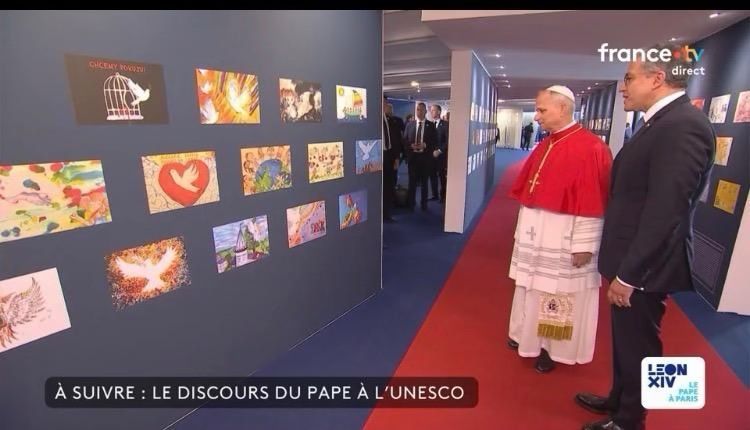
A moment to be proud of and a reminder of why young people’s voices matter. Today, artwork created by students from UNESCO ASPnet UK schools on the theme of peace was presented to Pope Leo XIV at UNESCO Headquarters in Paris, alongside artwork from young people in other countries. What an amazing opportunity for our students to have their creativity, ideas and hopes represented on an international stage. For me, this is what UNESCO ASPnet is about: creating opportunities for young people to connect across cultures, express themselves creatively, learn from one another and imagine a better future together. The power of young people’s creativity: their voices being part of an international conversation about education, peace, culture and our shared future. UNESCO’s programme for Pope Leo XIV’s visit specifically focused on education, artistic creation, AI, information integrity and peace. The work was part of a mural that brings together 80 original creations marking UNESCO’s 80th anniversary, produced as part of the "International Youth for Peace" competition organized by France TV and UNESCO.
Most of us want to leave the world a little better than we found it. Whether that's through the people we love, the values we pass on, or the causes we care about, we all hope our legacy will make a difference. One of the simplest ways to do that is by writing a will. This autumn, we are proud to be taking part in the Change Starts with a Will campaign, allowing our supporters to write or update their will free of charge through our trusted partner, Octopus Legacy. Why writing a will matters Writing a will isn't just about deciding who inherits your possessions. It's about making sure your wishes are respected and providing peace of mind for the people you care about. Having a will means you can: Protect the people you love. Make important decisions about your estate. Reduce uncertainty for your family. Leave a lasting gift to a cause that reflects your values. Many people put off writing a will, believing it's something to think about later in life. In reality, it's one of the most important documents you'll ever create. A legacy that supports education Steve Sinnott dedicated his life to championing education as a fundamental human right. His belief was simple but powerful: every child deserves the opportunity to learn, and every teacher deserves the support they need to inspire future generations. Today, we continue that mission by working with partners across the world to improve access to quality education, strengthen teaching and support communities where education can change lives. When you choose to leave a gift in your will to The Steve Sinnott Foundation, you're helping ensure that this work can continue for years to come. After taking care of family and friends, even a small gift could help provide learning opportunities, strengthen education systems and create brighter futures for generations to come. A gift that lasts beyond a lifetime Legacy gifts play an important role in helping charities plan for the future. Your support could help us continue investing in sustainable education projects, supporting teachers and ensuring more children have access to the education they deserve. It's a powerful way to ensure your values live on long into the future. Write your will for free As part of our Autumn 2026 campaign, we're offering supporters the opportunity to write or update their will free of charge through Octopus Legacy. There is no obligation to leave a gift to The Steve Sinnott Foundation, but we hope you'll consider remembering us after you've taken care of those closest to you. Together, we can continue Steve Sinnott's vision of a world where education changes lives. Find out more If you've been thinking about writing your will, there's never been a better time. Our free will service is available until 31 October 2026 , making it easy to protect the people you love while considering the lasting impact your legacy could have on education worldwide. https://octopuslegacy.com/online-will?channel=partner Change starts with a will. And together, we can help create a future where education is accessible to everyone.
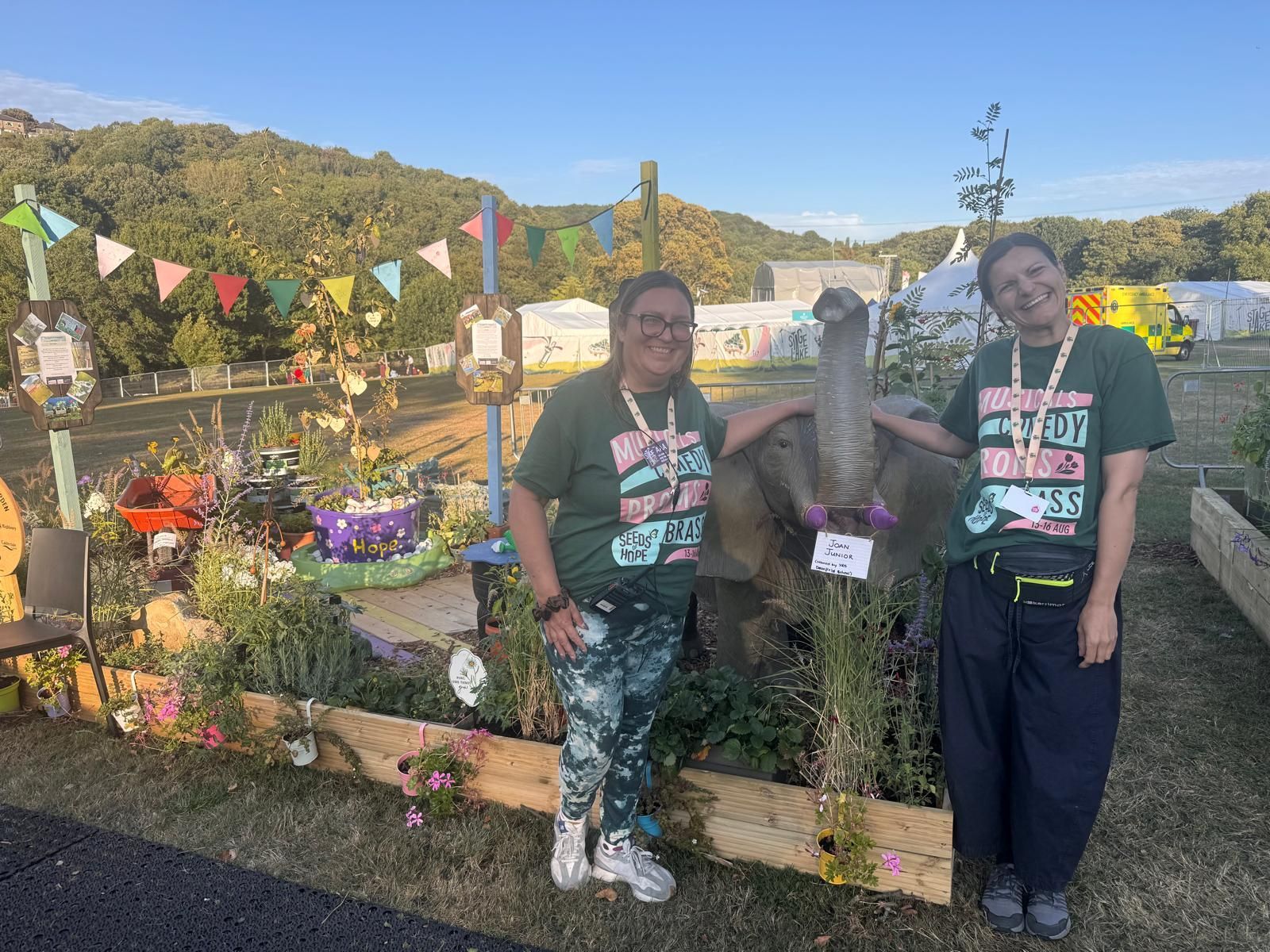
Seeds of Hope are everywhere! “I wasn't quite sure what to expect when I arrived at Stage at the Lake…” But it was special to meet all of the Calderdale team in person, who had brought this four-day event together so successfully. Sometimes an event stays with you long after the final performance has finished. My visit to Stage at the Lake at the beautiful Shibden Hall in Calderdale was one of those occasions. As UNESCO ASPnet UK Coordinator, I was delighted to be invited as a guest, but what I experienced was much more than simply attending an event. Here, in the grounds of a house steeped in history, the past, present and future seemed to meet. The English Chamber Orchestra filled the setting with music, Northern Ballet brought movement and storytelling to life, and throughout there was a wonderful sense of creativity, community and possibility. And then there were the parklets; a unique gardening festival at Shibden Park celebrating community, creativity and the power of nature to bring people together. At its heart was a specially commissioned trail of ten micro show gardens, designed and built by community groups from across Calderdale. It was wonderful to see spaces where ideas, conversations and creativity were flourishing and connecting through Seeds of Hope. I cannot wait to see them transported to their ‘forever homes’. Standing there, I found myself thinking about what we mean when we talk about education, culture and hope.