LearnRadio.Net - A broadcasting platform that reaches anywhere that has an internet connection
LearnRadio.Net is a live Internet radio station created during
the first lockdown to provide a daily interactive learning
experience. We started broadcasting on 20th March 2020 with
a vision to reach children, young people and families in their
homes to help support and scaffold their learning. Our listeners
hear well known authors read from their books. Children then
follow our live writing challenges on our showpage. Uniquely,
no registration or email addresses are required; our Padlets
allow moderated posts to be shown publicly in realtime. It’s a
fast paced format with music tracks and shoutouts playing an
important part for wellbeing.
Last year over 600k listeners joined us and engaged in our
shows. Online-Radio is technically light-weight and can be
enjoyed using older mobile phones with the tiniest amount
of bandwidth. This is perfect for tech-poor households who
possibly do not have access to superfast broadband and the
latest laptop.
We are now a team of educators from across the UK, the two
original founders, Headteacher Ian Rockey in Wiltshire and
broadcaster Russell Prue in Oxfordshire have been joined by
Maria Wojciechowska-Caneda in London and Hazel Pinner in
Orkney.
We have continued our work right the way through to lockdown
3 with our five regular weekly shows that include an after
school book club, educator wellbeing shows with live Yoga and
professional development ideas. We have shows for inspiring
creative educators and a feel good Friday music show. Our
Crafty Cafe shows are on Saturdays; designed to engage and
inspire young creatives with live make-alongs. Pupil voice
and interaction are important elements that run through all of
our shows, with children able to connect and feel a part of the
community.
Children’s mental health and wellbeing have been a primary
concern right from the start and our shows are tailored to support
this through upbeat tracks, familiar voices and opportunities to
get a mention for friends and family, who young people may
not have seen for some time. This fully underpins our ethos of
‘evolution, innovation and connection’ as it highlights how our
shows are ever evolving, particularly throughout lockdown. We
regularly inspire young people to extend their learning. It’s all
part of the validation process and getting that quick win, with
the many elements of success that our shows bring, all going
towards raising self esteem and confidence.
From an educational perspective, we are also evolving to
support the broader curriculum through the introduction
of ‘Bloom’s Taxonomy’. The seeds are sown, and the show
waters those seeds and the listeners grow them, with endless
possibilities for development and enjoyment.
We have recently broadened our focus to take in the Arts, STEM
and Music with our programme output. All of our broadcasts
and showpages are available to enjoy again from our website,
building a huge resource for reference and future use, by
families, educators and colleagues alike. We have a formidable,
deployable solution that does not involve video imagery or
pose any safeguarding risks. LearnRadio also hosts dedicated
shows for specific schools and home users.
Our broadcasting platform reaches anywhere that has an
internet connection. We have even put on a live show to
celebrate a birthday bringing young folks together who have not
been able to meet this year. We are available for commissions
and specific broadcasting projects. At the moment, we’re self
funded and looking for sponsors and supporters to allow us
to continue our valuable work. We have a Radio Academy for
budding radio presenters and podcasters.
Please visit our site LearnRadio.Net where you will find a wealth
of information and every one of our previous shows as a podcast.
LearnRadio.Net
From Engage issue 22.
LearnRadio.Net • September 27, 2021
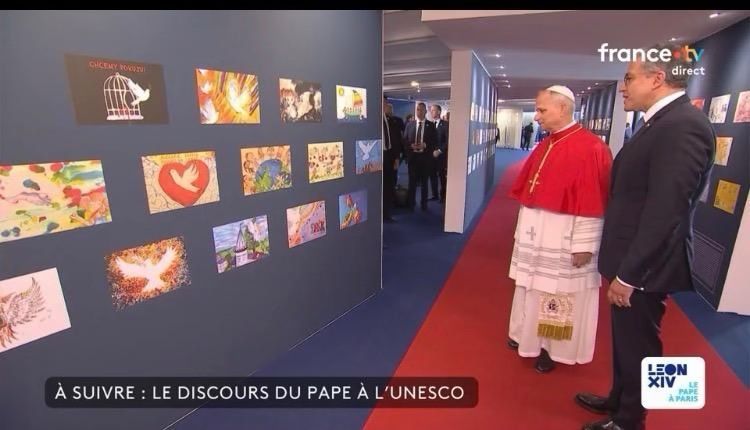
A moment to be proud of and a reminder of why young people’s voices matter. Today, artwork created by students from UNESCO ASPnet UK schools on the theme of peace was presented to Pope Leo XIV at UNESCO Headquarters in Paris, alongside artwork from young people in other countries. What an amazing opportunity for our students to have their creativity, ideas and hopes represented on an international stage. For me, this is what UNESCO ASPnet is about: creating opportunities for young people to connect across cultures, express themselves creatively, learn from one another and imagine a better future together. The power of young people’s creativity: their voices being part of an international conversation about education, peace, culture and our shared future. UNESCO’s programme for Pope Leo XIV’s visit specifically focused on education, artistic creation, AI, information integrity and peace. The work was part of a mural that brings together 80 original creations marking UNESCO’s 80th anniversary, produced as part of the "International Youth for Peace" competition organized by France TV and UNESCO.
Most of us want to leave the world a little better than we found it. Whether that's through the people we love, the values we pass on, or the causes we care about, we all hope our legacy will make a difference. One of the simplest ways to do that is by writing a will. This autumn, we are proud to be taking part in the Change Starts with a Will campaign, allowing our supporters to write or update their will free of charge through our trusted partner, Octopus Legacy. Why writing a will matters Writing a will isn't just about deciding who inherits your possessions. It's about making sure your wishes are respected and providing peace of mind for the people you care about. Having a will means you can: Protect the people you love. Make important decisions about your estate. Reduce uncertainty for your family. Leave a lasting gift to a cause that reflects your values. Many people put off writing a will, believing it's something to think about later in life. In reality, it's one of the most important documents you'll ever create. A legacy that supports education Steve Sinnott dedicated his life to championing education as a fundamental human right. His belief was simple but powerful: every child deserves the opportunity to learn, and every teacher deserves the support they need to inspire future generations. Today, we continue that mission by working with partners across the world to improve access to quality education, strengthen teaching and support communities where education can change lives. When you choose to leave a gift in your will to The Steve Sinnott Foundation, you're helping ensure that this work can continue for years to come. After taking care of family and friends, even a small gift could help provide learning opportunities, strengthen education systems and create brighter futures for generations to come. A gift that lasts beyond a lifetime Legacy gifts play an important role in helping charities plan for the future. Your support could help us continue investing in sustainable education projects, supporting teachers and ensuring more children have access to the education they deserve. It's a powerful way to ensure your values live on long into the future. Write your will for free As part of our Autumn 2026 campaign, we're offering supporters the opportunity to write or update their will free of charge through Octopus Legacy. There is no obligation to leave a gift to The Steve Sinnott Foundation, but we hope you'll consider remembering us after you've taken care of those closest to you. Together, we can continue Steve Sinnott's vision of a world where education changes lives. Find out more If you've been thinking about writing your will, there's never been a better time. Our free will service is available until 31 October 2026 , making it easy to protect the people you love while considering the lasting impact your legacy could have on education worldwide. https://octopuslegacy.com/online-will?channel=partner Change starts with a will. And together, we can help create a future where education is accessible to everyone.
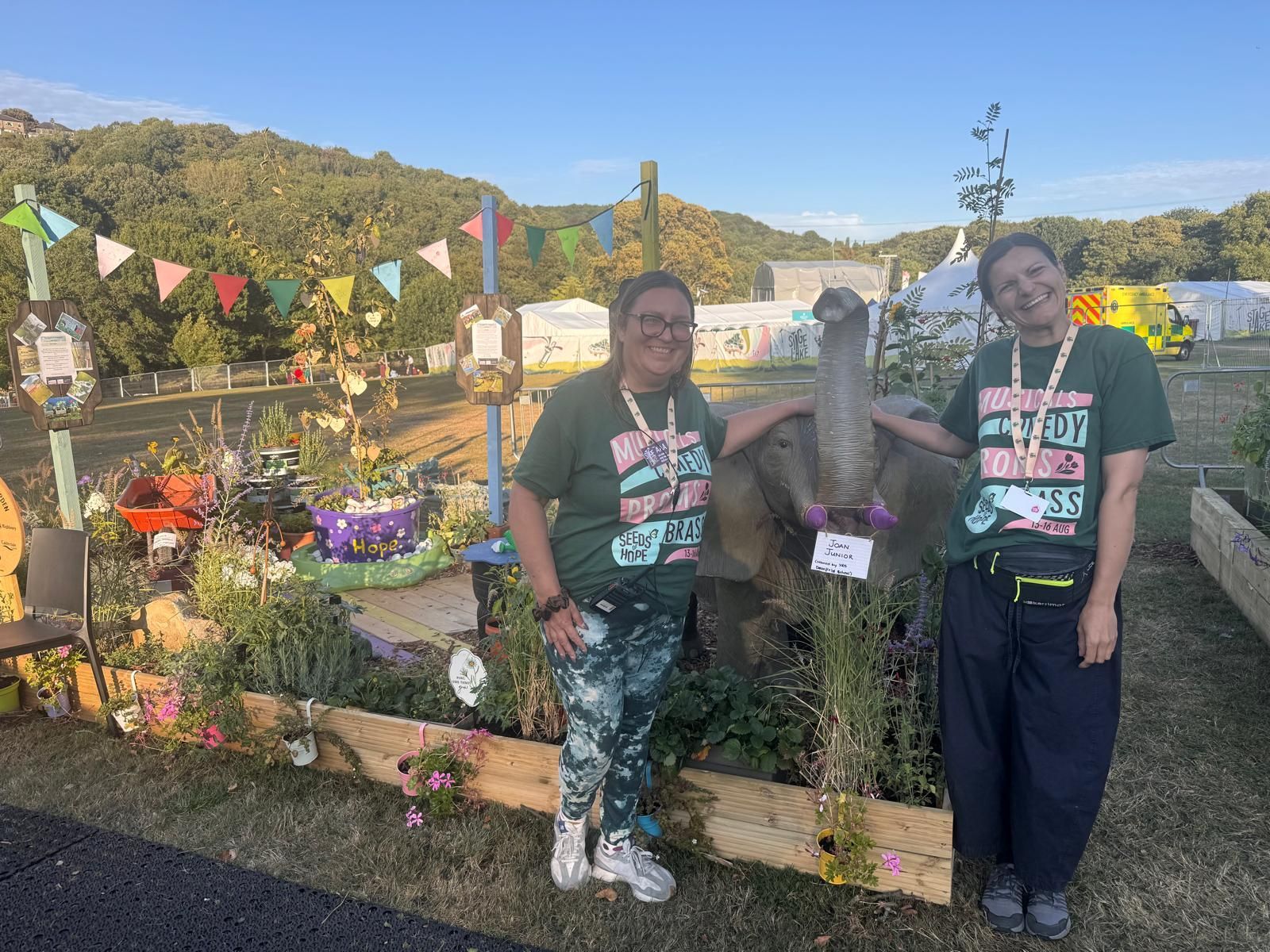
Seeds of Hope are everywhere! “I wasn't quite sure what to expect when I arrived at Stage at the Lake…” But it was special to meet all of the Calderdale team in person, who had brought this four-day event together so successfully. Sometimes an event stays with you long after the final performance has finished. My visit to Stage at the Lake at the beautiful Shibden Hall in Calderdale was one of those occasions. As UNESCO ASPnet UK Coordinator, I was delighted to be invited as a guest, but what I experienced was much more than simply attending an event. Here, in the grounds of a house steeped in history, the past, present and future seemed to meet. The English Chamber Orchestra filled the setting with music, Northern Ballet brought movement and storytelling to life, and throughout there was a wonderful sense of creativity, community and possibility. And then there were the parklets; a unique gardening festival at Shibden Park celebrating community, creativity and the power of nature to bring people together. At its heart was a specially commissioned trail of ten micro show gardens, designed and built by community groups from across Calderdale. It was wonderful to see spaces where ideas, conversations and creativity were flourishing and connecting through Seeds of Hope. I cannot wait to see them transported to their ‘forever homes’. Standing there, I found myself thinking about what we mean when we talk about education, culture and hope.