Enhancing safe education; phase two of the addressing school-related Gender Based Violence (SRGBV) Programme
Addressing SRGBV comes through different methods. One effective approach is to provide the most at risk of becoming victims with required skills and knowledge. The essence of this approach is to keep girls safe, engaged and ensure before they return to school that they have a better understanding of SRGBV.
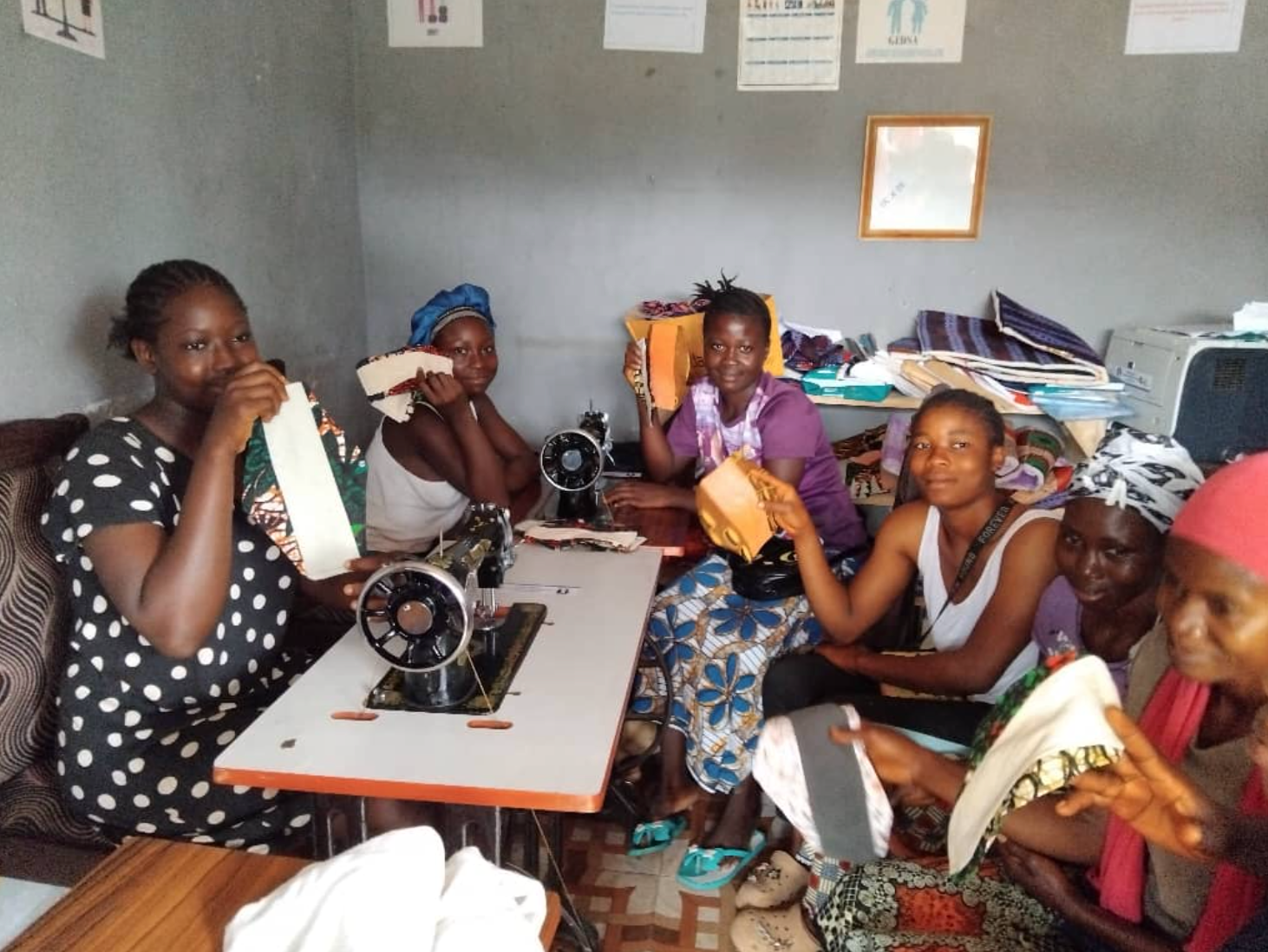
The phenomenon of school-related gender-based violence [SRGBV] undermines the right to education for countless children, particularly girls. In the initial phase of our project, we successfully implemented SRGBV awareness and prevention programmes in 14 schools across Bombali district Northern Region. Phase one involved training school staff, engaging students, and building community awareness to create safer school environments. This phase focused on training girls to make reusable sanitary pads and other soft skills to engage them in daily activities.
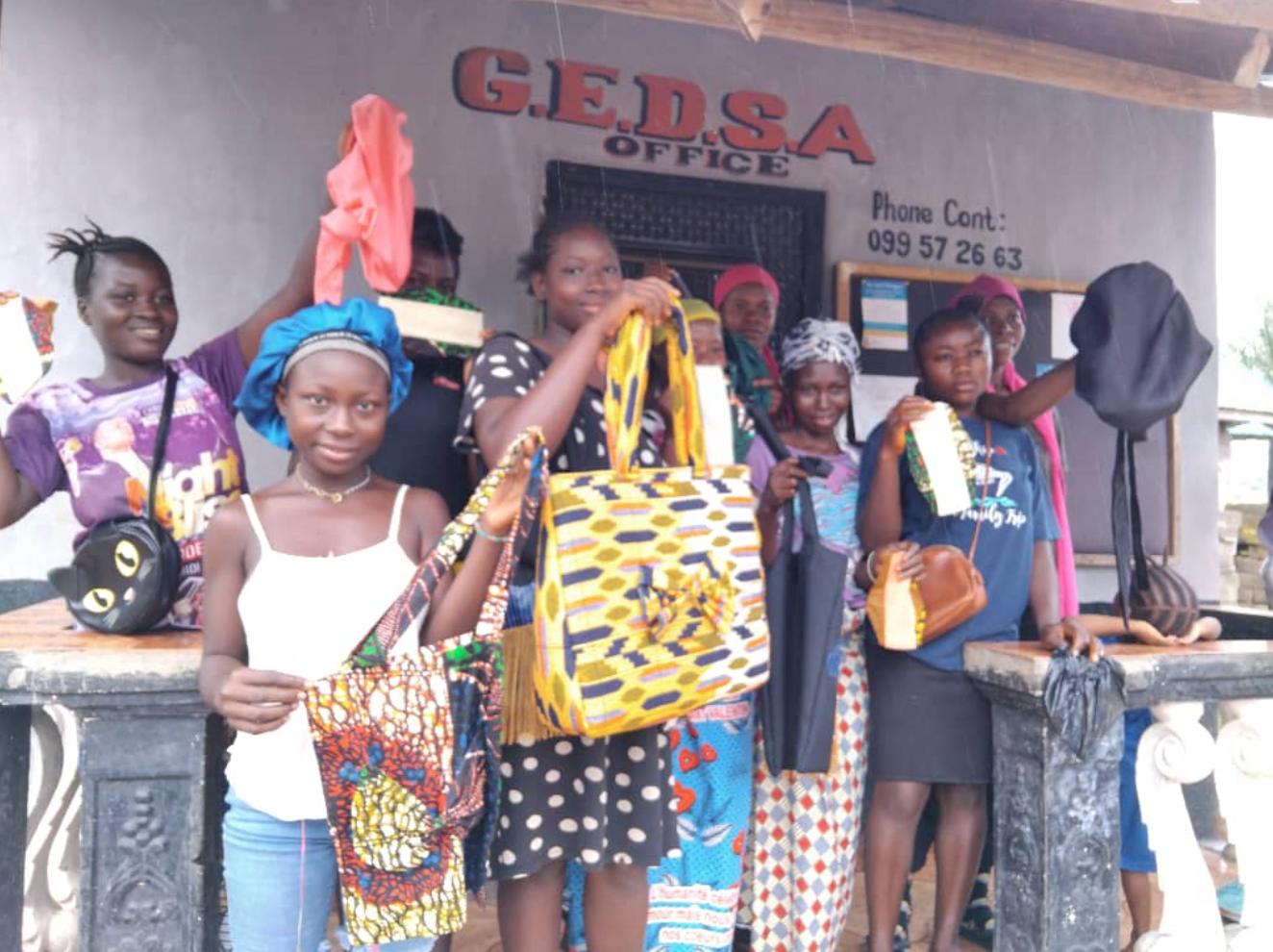
The project engaged over 50 students between the ages of 12-18 years in skills training to help keep them engaged in learning how to make reusable sanitary pads, bead design and cake making.
The overall implementation of the project was a success as all of the girls engaged were able to learn new skills and new knowledge relating to GBV prevention. Below are some of the specific successes;
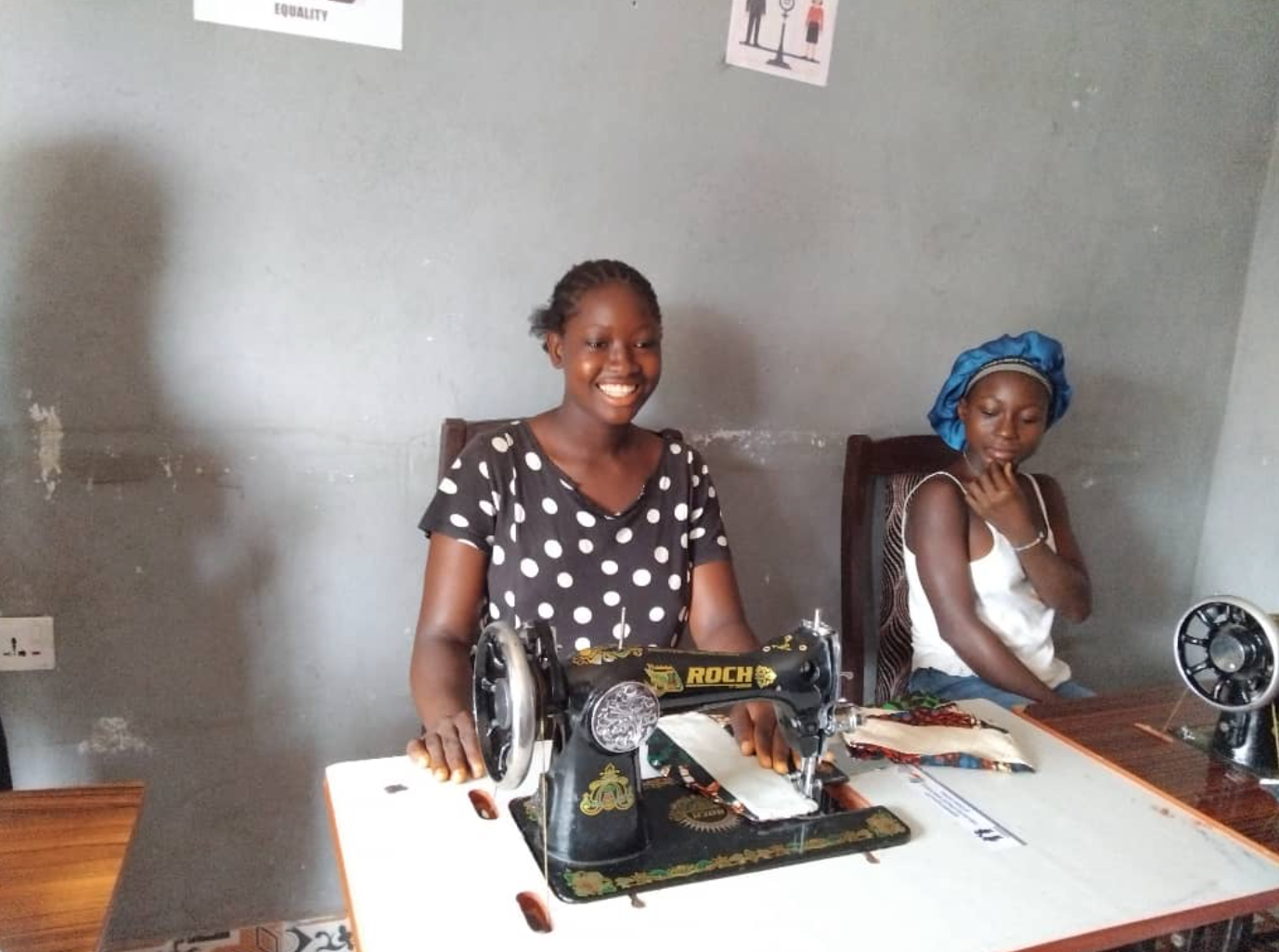
Girls were trained in making reusable sanitary pads, sewing and bead design work, basic cake making skills, learning to identify violence, report it and learn how to prevent and de-escalate violent situations and how to stay positive in life through mentoring and supporting each other.
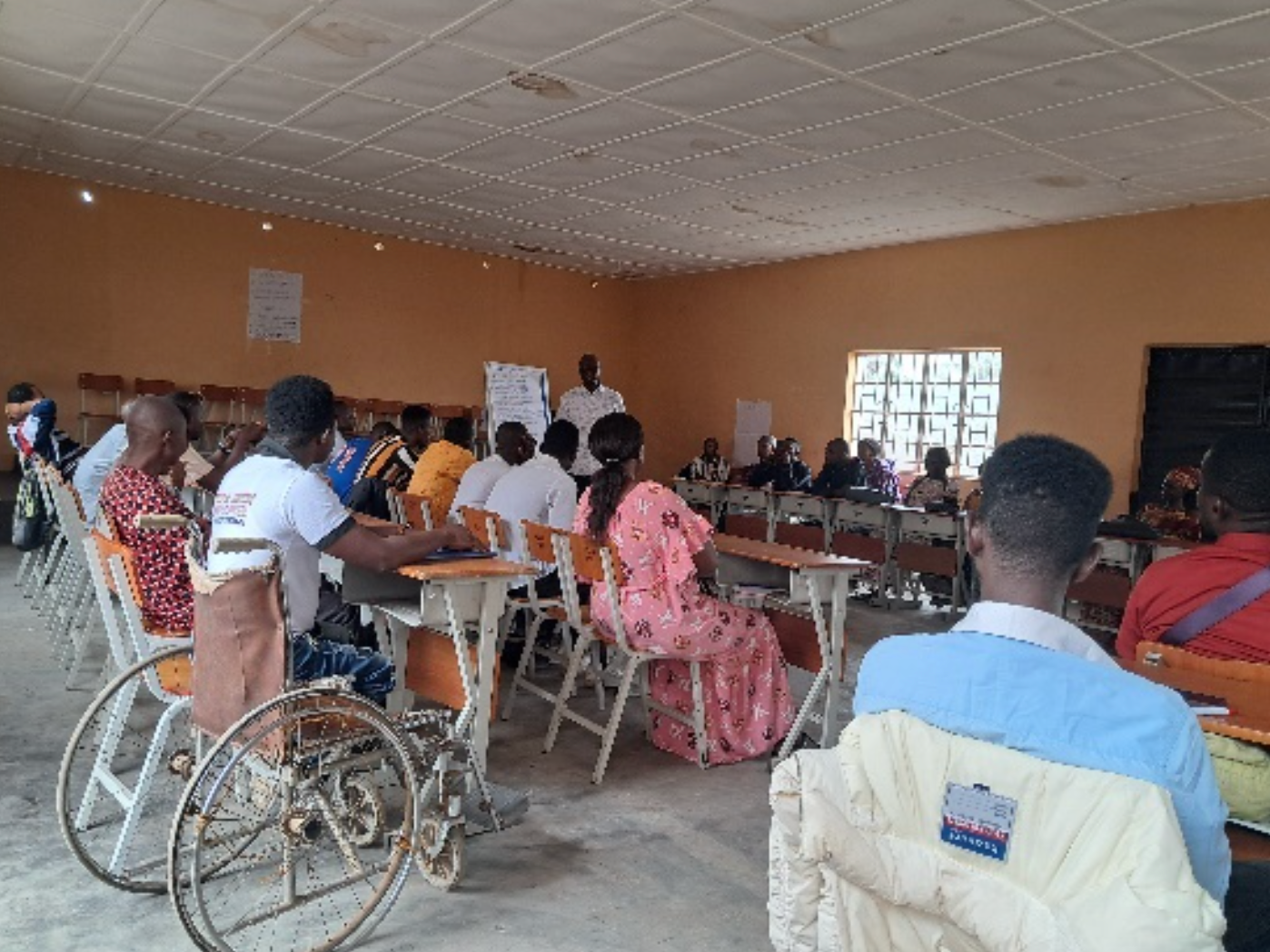
This increased the knowledge of community stakeholders and parents on the impact both in and out of school. 100 participants including parents, education officials and community leaders were engaged.
Despite the successes recorded, there were some challenges in the implementation.
Challenges
- The rains were heavy and affected some classes
- Inflation in the market affected the proposed initial costs and the current cost of items
- The number of stakeholders and parents engaged were more than the proposed number leading to an increase in the food budget
BY ISATA M KAMARA
DIRECTOR OF GENDER EQUALITY AND DEVELOPMENT FOR SOCIAL ACTION (GEDSA)