Gender Based Violence (GBV) Awareness Workshops in South Africa

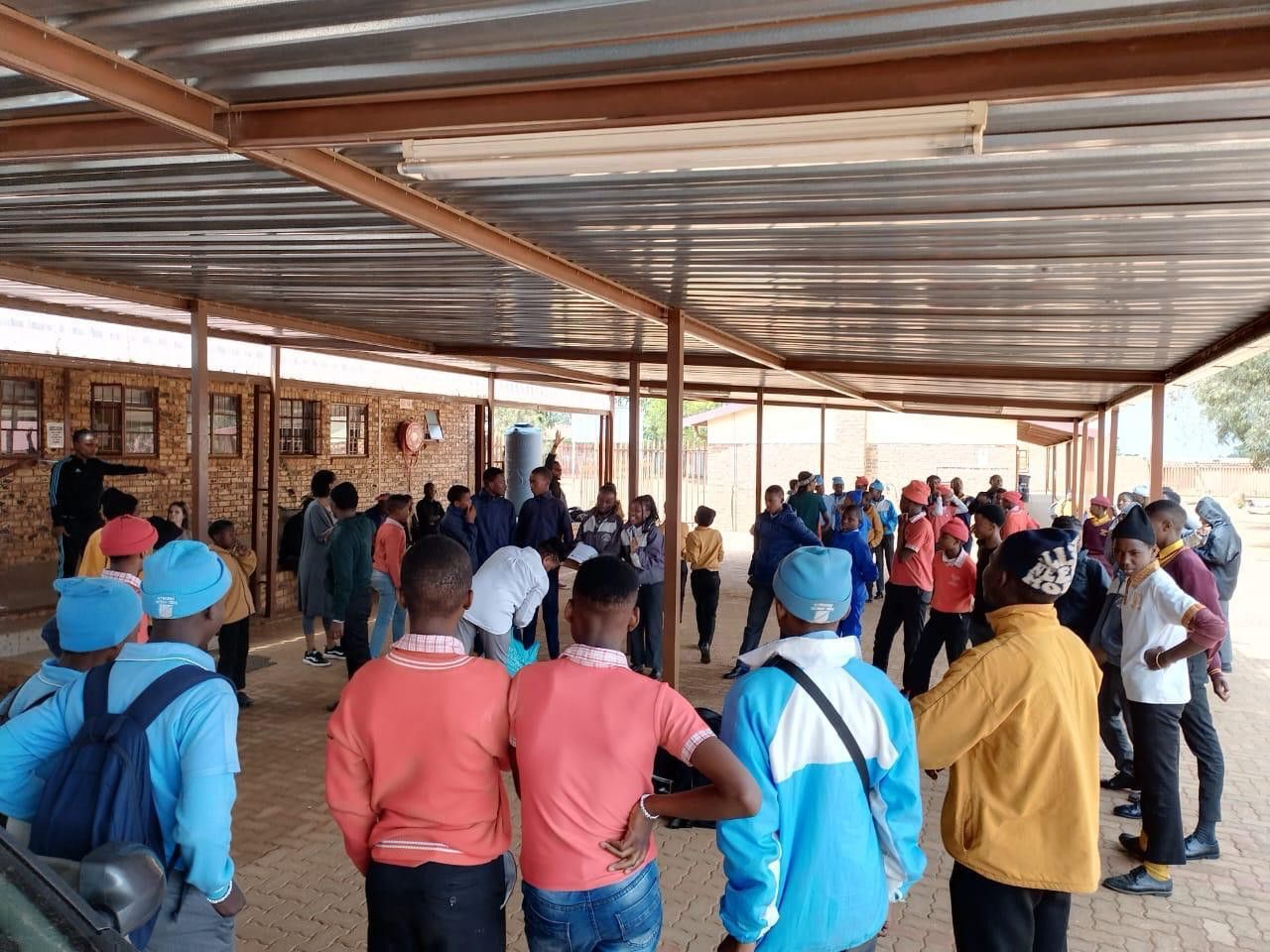
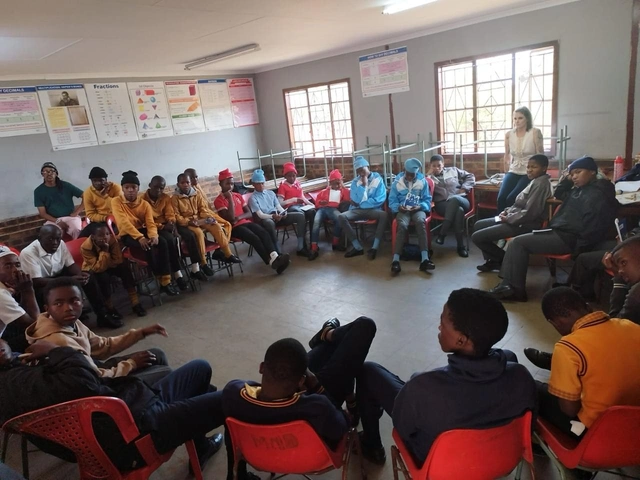
In October, in partnership with the National Professional teachers Association South Africa (NAPTOSA) Gender Based Violence (GBV) Awareness Workshops took place, which provided a platform for educators and learners to engage in transformative dialogues about GBV, bullying, and related issues affecting their communities. The initiative was designed to empower both teachers and students as "Dignity Defenders, promoting a culture of dignity, respect, and non-violence. Workshops included expert-led sessions that fostered awareness, empathy, and skills for proactive intervention. Participant feedback and levels of engagement confirmed the workshop's impact, with students resonating deeply with the closing theme, “Asinaluvalo thina” ("we have no fear"), symbolising resilience and courage.


One learner beautifully said: “I learned to know my own worth and to protect my own dignity so I can be a dignity defender for all.” “I understand that using violence as a defence is not good.” “I now know that consent can be changed, and I must respect that decision. I’m allowed to say no.” “I defended a boy’s dignity when I saw a bully and said no.” These words reflect a profound understanding of not only GBV but also their rights, their voices, and how to support each other in a world where violence too often goes unchecked. These young people have learned to recognise their own feelings, develop healthy coping skills, and stand up for their peers in moments of need. 

Michelle Mosupye • January 31, 2025
By Isata M Kamara January 29, 2026
Addressing SRGBV comes through different methods. One effective approach is to provide the most at risk of becoming victims with required skills and knowledge. The essence of this approach is to keep girls safe, engaged and ensure before they return to school that they have a better understanding of SRGBV. The phenomenon of school-related gender-based violence [SRGBV] undermines the right to education for countless children, particularly girls. In the initial phase of our project, we successfully implemented SRGBV awareness and prevention programmes in 14 schools across Bombali district Northern Region. Phase one involved training school staff, engaging students, and building community awareness to create safer school environments. This phase focused on training girls to make reusable sanitary pads and other soft skills to engage them in daily activities. The project engaged over 50 students between the ages of 12-18 years in skills training to help keep them engaged in learning how to make reusable sanitary pads, bead design and cake making. The overall implementation of the project was a success as all of the girls engaged were able to learn new skills and new knowledge relating to GBV prevention. Below are some of the specific successes; Girls were trained in making reusable sanitary pads, sewing and bead design work, basic cake making skills, learning to identify violence, report it and learn how to prevent and de-escalate violent situations and how to stay positive in life through mentoring and supporting each other. This increased the knowledge of community stakeholders and parents on the impact both in and out of school. 100 participants including parents, education officials and community leaders were engaged. Despite the successes recorded, there were some challenges in the implementation. Challenges The rains were heavy and affected some classes Inflation in the market affected the proposed initial costs and the current cost of items The number of stakeholders and parents engaged were more than the proposed number leading to an increase in the food budget BY ISATA M KAMARA DIRECTOR OF GENDER EQUALITY AND DEVELOPMENT FOR SOCIAL ACTION (GEDSA)
By Sarah Grey January 28, 2026
Alfa Limonade, Haiti  For all our people who were deprived of childhood education, the objective of this Alfa programme is to provide the opportunity to become literate. In Haiti, especially in rural areas such as ours, literacy rates are dismal. 44% of Haitian men and 56% of Haitian women are illiterate, but these statistics are far worse in villages and the countryside. (UNESCO) Launched 23 years ago, Alfa uses an excellent participatory text book, Goute Sel, for writing, reading, and comprehension. It was developed specifically for use here in Haiti. We also use Ti Koze Sou Istwa Peyi Ayiti, stories and questions from Haitian history, and Lekti Net Ale, reflections on connecting with the world. Through blackboard instruction and Kaye Kalkil, Alfa participants practise exercises in arithmetic. At the second level we launch group discussion through reading Edikasyon Civik. After long consideration, our team of monitors has established that Alfa must develop its own practical introduction to numeracy for adult learners. Our improved numeracy project must adjust to the situation of Alfa participants. Obviously, in their daily lives our participants constantly face numeracy problems. Having no education, they were unaware of their lack of capacity. Today, through Alfa, they are gaining in literacy, and we should also ensure that, despite their often advanced ages, they also become numerate. They must not lose this gift simply because they have been deprived of the basic human right to education. Through our new tool, Alfa’s market women and peasant farmers will grasp the basics of numeracy, so that they are not lost in the economic situations of their adult lives. They will address these problems with awareness, papers and pencils in their hands - just as others do! Chancy Jacques, Alfa Supervisor, and Antolius Pierre, Alfa monitor in Jede, are collaborating on Alfa’s own book, Kalkil San Limit, with the following objectives: To support our monitors with a good tool for introducing numeracy. To reinforce the capacity of every Alfa participant. To enable participants to reflect productively. To enable participants to calculate well and fast. To enable participants to record their written results. Thus Kalkil San Limit will include the following sections: numeracy, problem solving, geometry, and mental calculation. Numeracy is a key part of the core skill base of a literate individual. In our Haiti, this means the ability to understand and use basic maths in real life situations at home, in the market place, or for agricultural transactions. We are preparing to go to print this summer! By Sarah Grey Alfa Limonade, Haiti
By Ann Beatty January 27, 2026
Here we hear from Gabie Aurel who leads the Sonje Ayiti Organization (SAO), our partner in Haiti. They prioritise investing in quality education to break the cycle of poverty, promote long-term economic and social stability, and uplift everyone. It equips children, youth, and adults with the skills to achieve their potential, higher earnings, and better health outcomes. SAO’s work improves community well-being overall and fosters a more resilient and inclusive society. Gabie says,’I am so privileged to grace the path of many inspiring individuals (children, youth, men and women) who share their stories about what education means to them and how it has built their confidence and drastically transformed their lives.’ An example of a life transformed is Rosenie Selmour, a second level participant in ALFA at the Cima Literacy Center in Limonade, Haiti. Here is her testimony: ‘I always felt small when people were reading and writing around me because I couldn't read or write. I was afraid to speak in public, and I was ashamed to say that I couldn't read. Since coming to the Cima Literacy Center, my life has changed. Every day I learn something new. I can read on my own, I can read medical prescriptions, I can read my Creole Bible very well, and even write my children's names on their notebooks and supervise their homework. I am in awe to see how our good education is expressed daily in the form of mutual respect, solidarity, empathy, camaraderie, and how we support and treat each other now. We don't laugh at people if they make mistakes. We correct and we encourage. I remember the first time I read a sentence in front of the class, everyone in the centre was happy and applauded me. I felt proud, it was the first time I felt so valued. What motivates me to come every day? ‘It's my dream to be able to read and write well and to know my fundamental rights. And above all, I feel like I'm not alone. We are a family at Alfa.’ Stories like this fuel SAO’s commitment to invest in quality education throughout Haiti, especially in rural villages where the most vulnerable children, youth, and adults have no access to basic education. SAO’s commitment to breaking the cycle of poverty through quality education promotes greater employment opportunities which lift families out of poverty, thus reducing heavy reliance on social assistance programmes. It boosts economic growth through a skilled workforce, fosters individual well-being, reduces preventable diseases,and improves overall understanding of health. This can prevent diseases, unnecessary deaths and improve overall well-being. Quality education cultivates important cognitive, social, emotional, and communication skills. This reduces conflicts and improves harmony in communities. Additionally, it helps build resilience to recurring difficulties, reduces gender-based violence prevalent in rural communities, and strives to promote gender equality, building stronger communities and societies, enhancing social stability. In sum, quality education for all creates a recurring cycle of inclusive opportunity for all.’ Supporting the Resource Learning Centre in Haiti Until students return to school in December they are learning vocational skills and they themselves are actively involved in site renovation work We are really proud to see this revival take hold with so much passion and responsibility.